
From Invention to Institutional Critique: The Path of "Canonization" in Photographic History
Yaqiong Zhang
Let's start with a fairly basic question. All of us have engaged with the history of photography to some degree. How did we understand photography in the past? And how has the focus of photographic history shifted?
Yiwei Wang (Ellen)
I think your question is really about the writing of photographic history itself, that is, historiography. It's about how the history of photography gets written, not simply about the development of techniques or styles. I studied art history as an undergraduate in the US, with a focus on the history of photography. The curriculum was quite traditional. It began with photography's invention in France and Britain, then concentrated on American and European photography. My overall impression was that traditional photographic history is heavily centered on a Western perspective. Beaumont Newhall[1], MoMA's first curator of photography, is a good example. His The History of Photography essentially shaped the narrative framework for a long time afterward.
Wen Zhang
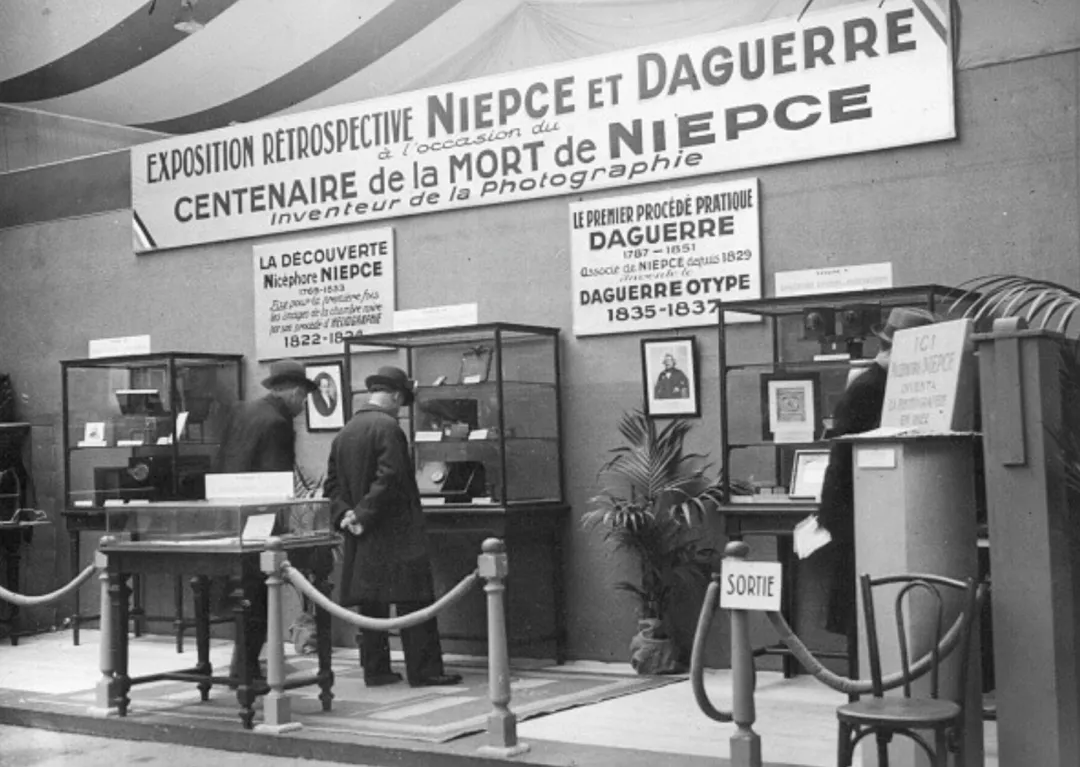
I'll add a specific milestone. When France celebrated photography's 200th anniversary, it chose Niépce's first photograph as the starting point. I once wrote an article about this: what actually counts as the "first" in photographic history? The first photograph? The first development of an image? The first technical discovery? Was the inventor Daguerre[2], Talbot[3], or someone else? The idea of a "first" is itself contestable. France's choice of Niépce as the starting point for the bicentennial is quite telling in itself.
Guosen Chen
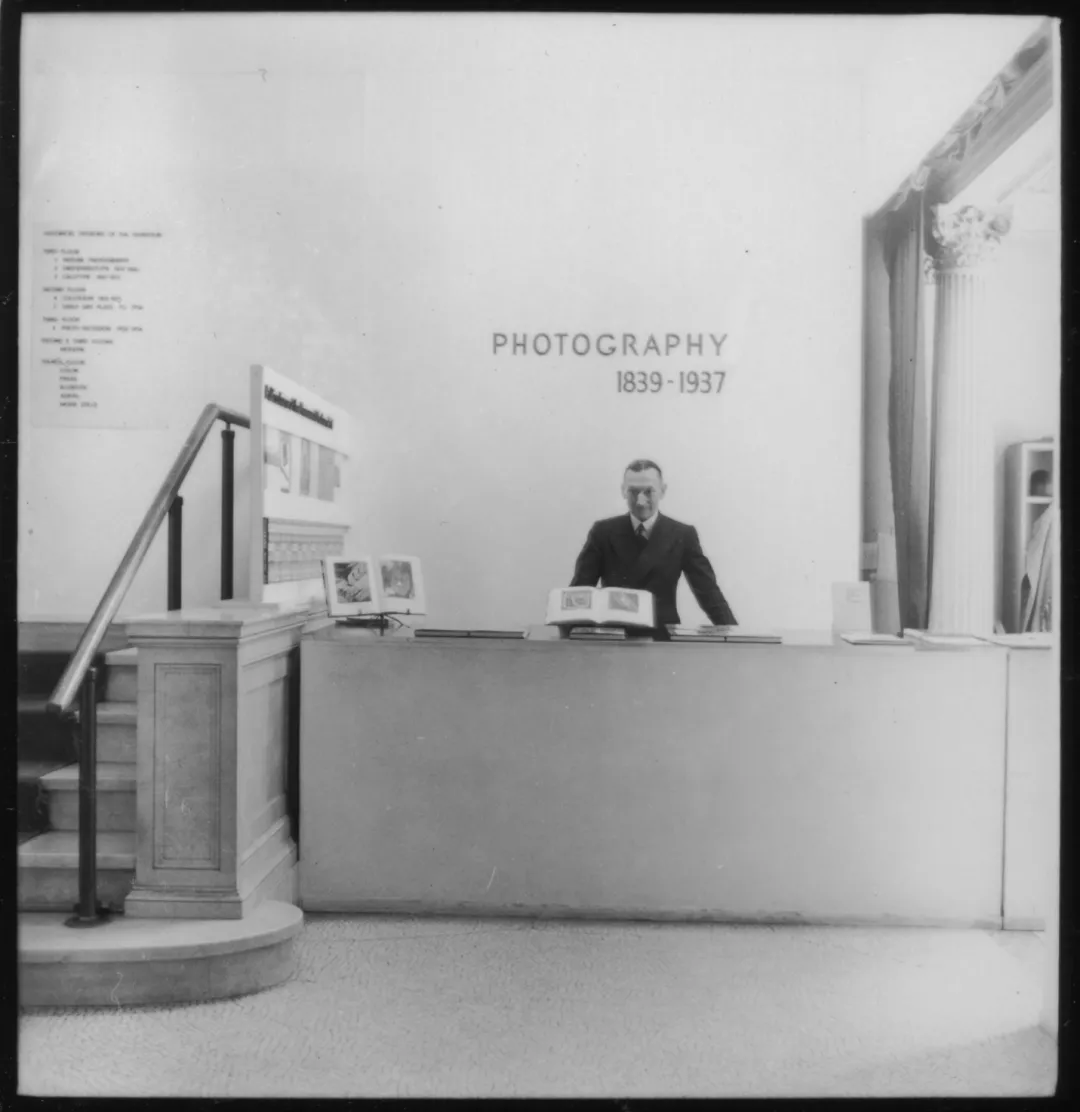
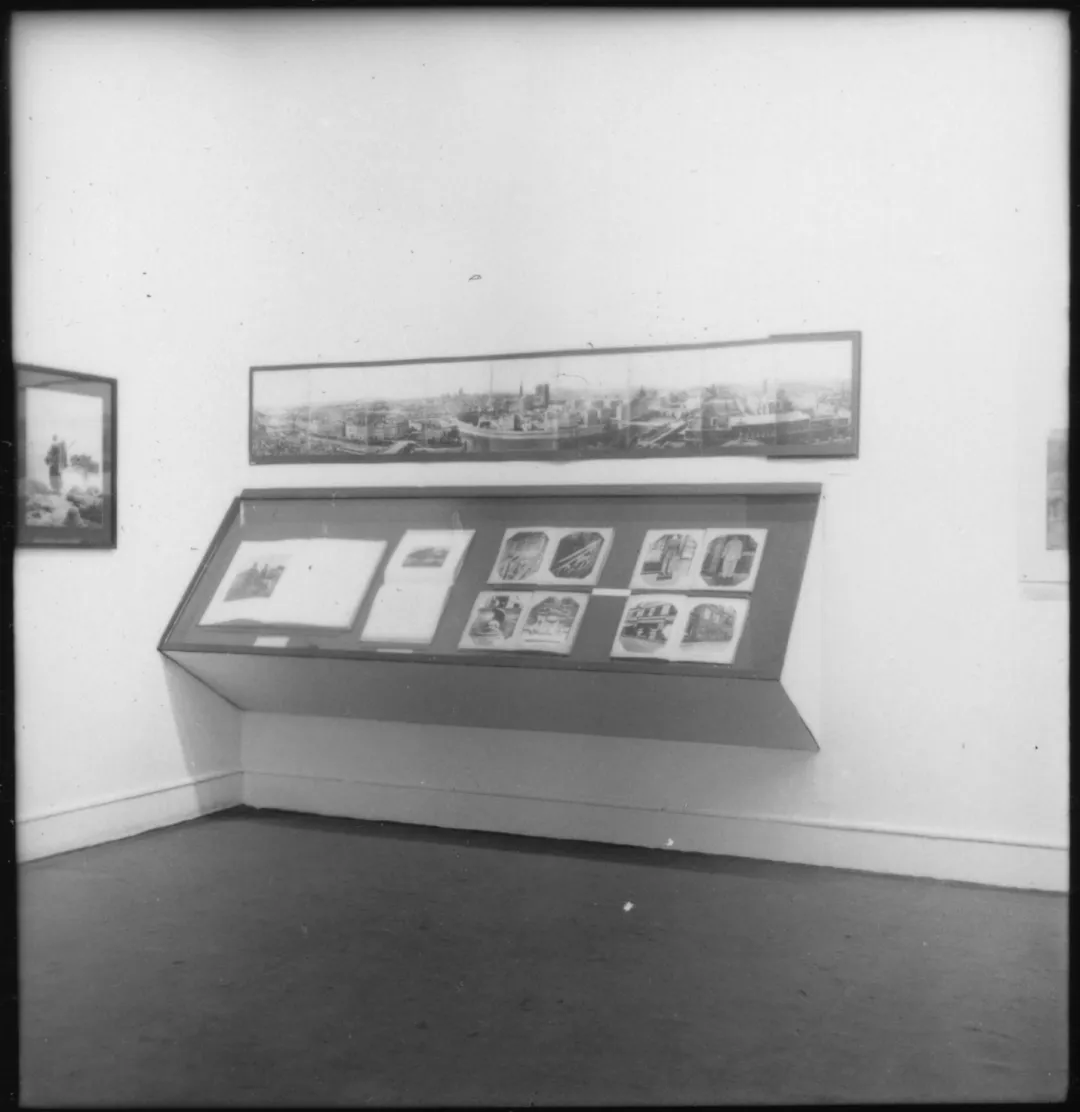
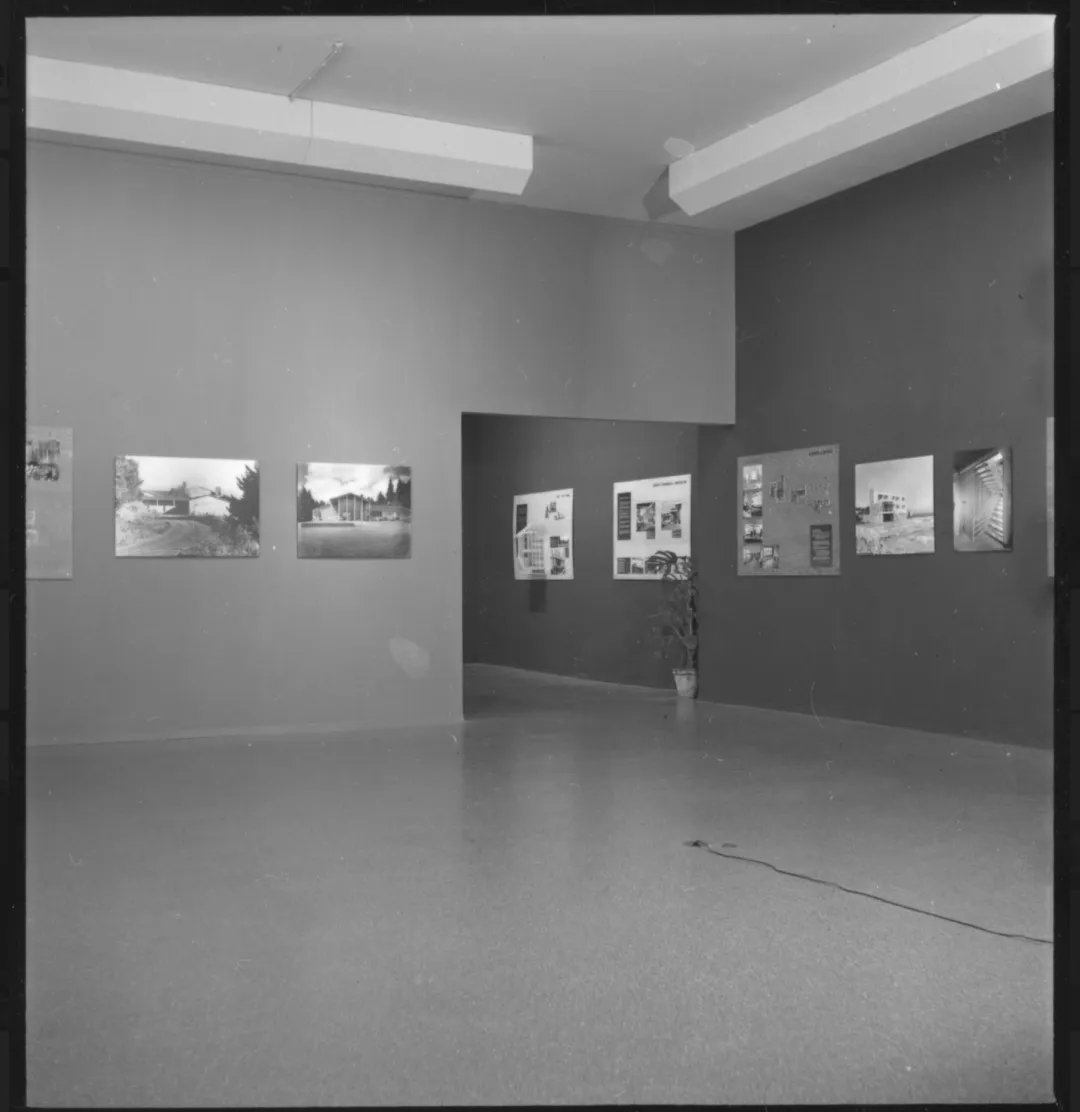
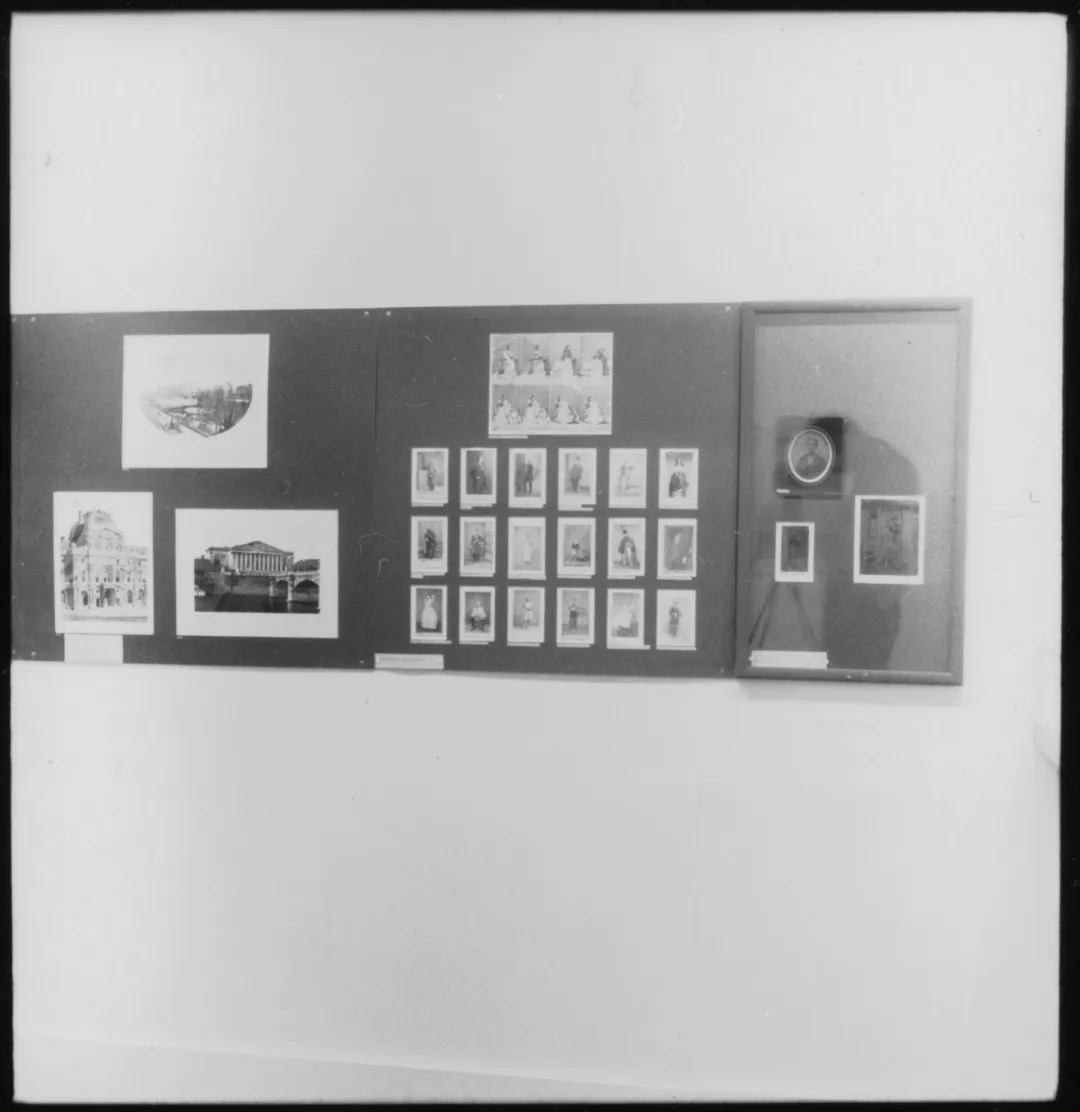
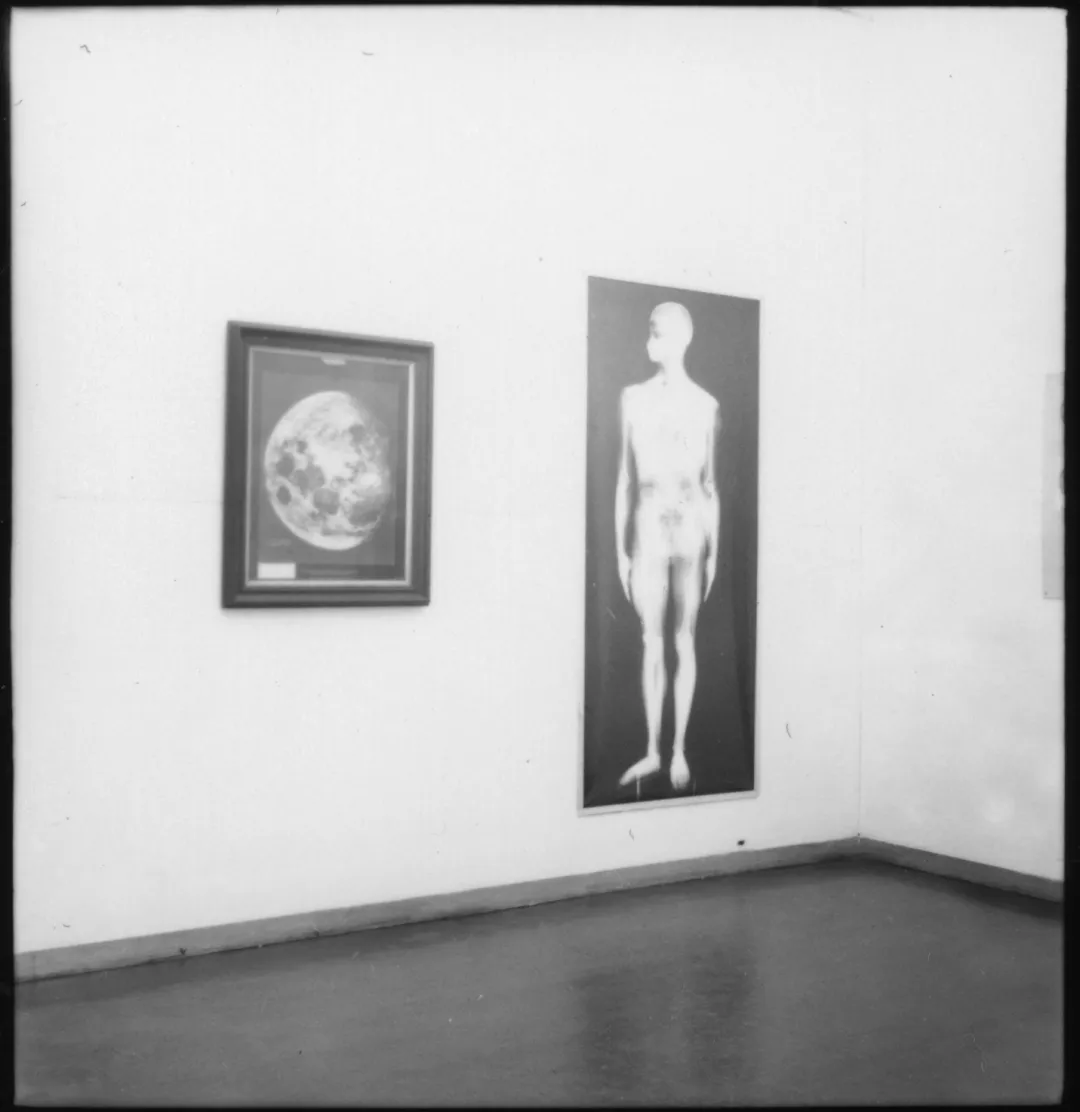
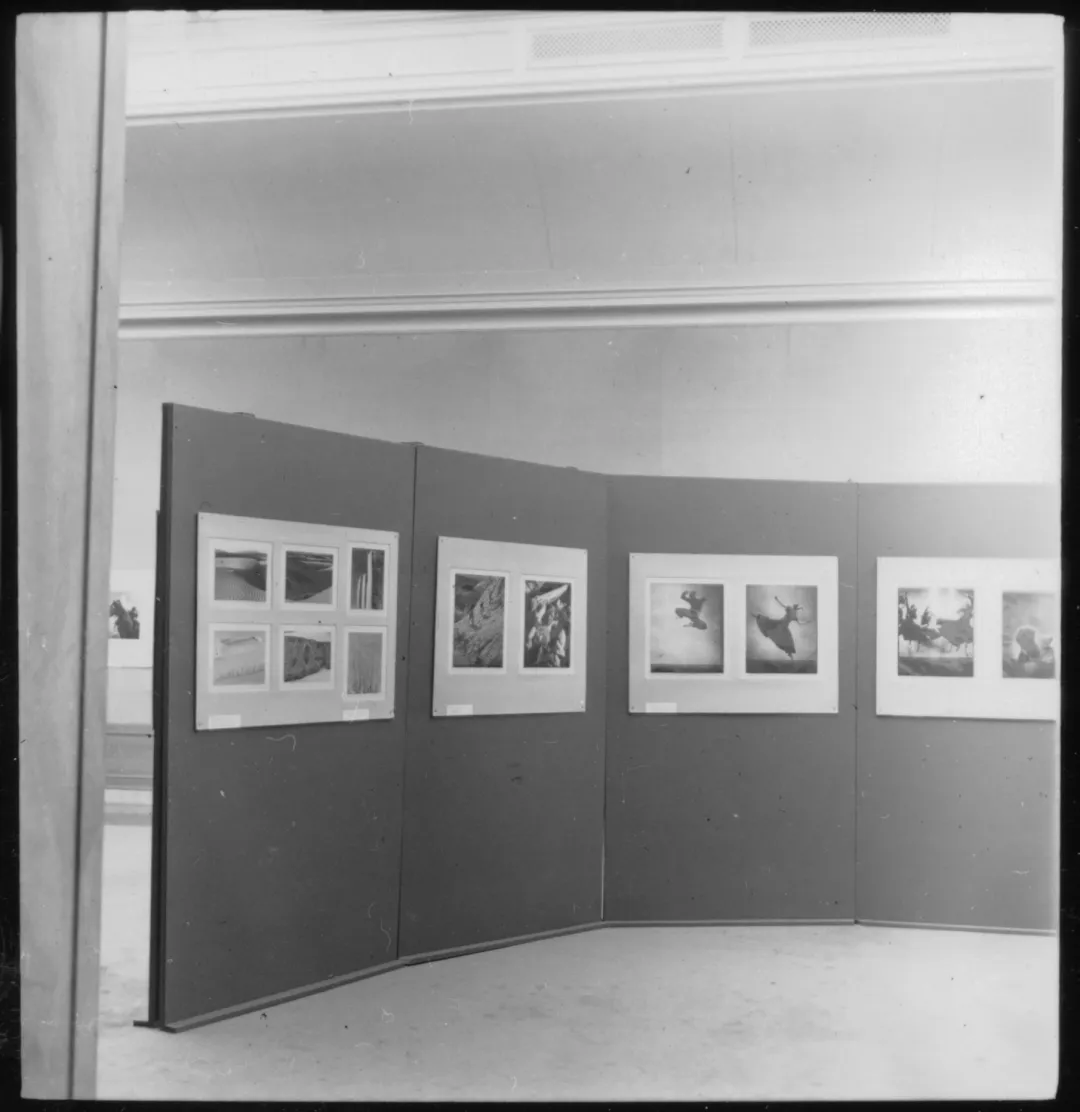
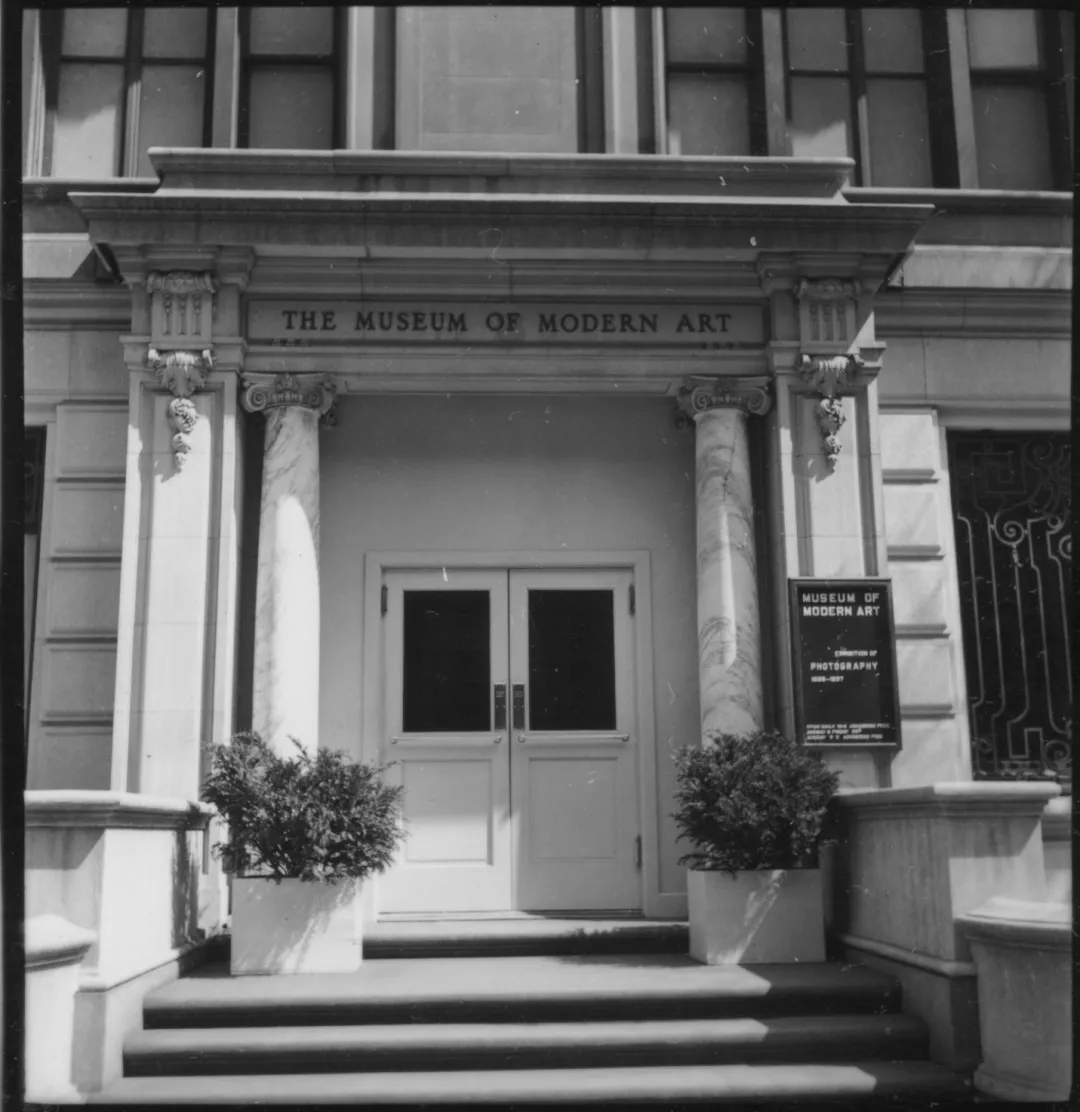
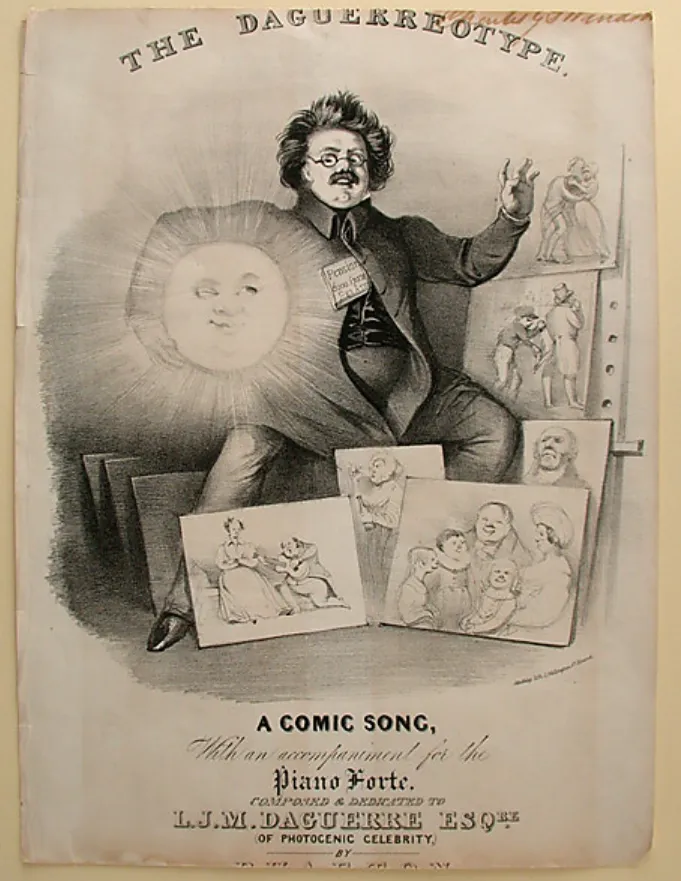
Wen Zhang mentioned that early discussions of photographic history involved arguments over who the inventor was. It reminds me how different early photographic historiography was from today's. Back then, the discussion centered on "who was really the first to invent photography." I read an essay by Allan Sekula[4] that mentions songs circulating in France at the time about Daguerre and his process. From the very beginning, then, the invention of photography was mixed up with a kind of national pride. It was a product entangled with the chronicle of technology. Only later did the focus of photographic history shift gradually from technical origins to culture, and people began debating "whether photography is art." After that came what Ellen just mentioned, MoMA's famous 1937 exhibition "Photography: 1839–1937." It was followed by a wave of photographic histories, and on that framework the many different versions we see today gradually developed.
But I think this is also where the problem lies. The kind of photographic history represented by Beaumont Newhall filters far too aggressively. It screens out a huge number of works that don't fit a linear aesthetic progression or can't serve a narrative of authorial genius. Yet those are precisely the works that make up the largest share of photographic practice. So I see it as a rather crude framework, and a highly exclusionary one.
Yaqiong Zhang
I agree with what everyone has said. The history of photography has indeed kept circling within one framework, moving from technology to the debate over "whether photography is art." One interesting detail comes to mind. France and Britain had very different early attitudes toward photography. France leaned toward spreading photography to the public and wanted more people to use it. Britain wanted photography to stay within aristocratic circles and didn't want it popularized. Of course, today it has become completely popular: everyone has a phone and can take pictures. That shift in itself is worth thinking about.
Yiwei Wang (Ellen)
The early difference between France and Britain actually had a very concrete cause. Daguerre sold his patent to the French government, and France chose to make the process public so anyone could use it. That doesn't mean everyone had the resources to do it, but at least institutionally it was open-source. In Britain, Talbot patented his process, so only he could use it and others couldn't. So the difference Yaqiong described in how the two countries promoted photography in the early 19th century had an institutional difference behind it.
From Western Technical Paradigms to China's Archival Dilemma
Guosen Chen
When the history of photography first began to be written, it wasn't only an intellectual activity. It had a strong economic dimension. The invention of photography meant portraiture was no longer an aristocratic privilege, and that in itself was a commercial revolution. And we can see today that once a photographer enters the canonical narrative, the value of their work goes up. Collecting, exhibitions, and markets start to revolve around them, and the market and reputation then further reinforce that historical narrative.
Also, photographic history first arose in European countries like France and Britain, so it was inevitably tightly bound to local infrastructure: the gallery markets of Britain and the US, university photography departments, museums. Throughout the 20th century, these institutions were most densely concentrated in a handful of cities, namely Paris, London, and New York. To write a history of photography you need sources, and apart from these places there were few where you could get them. So the Eurocentric look of the highly canonized photographic history we see today is not first of all an ideological problem. It's more a matter of economic history and infrastructure.
Guosen Chen
Britain and the US also differed greatly in their funding systems. By the '60s and '70s, and into Thatcher's time in office, British photography had become completely different from the American approach, with its emphasis on individual genius, originality, and formal invention. British photography then depended on funding from the national Arts Council and was mainly project-based, and London had many left-wing independent galleries. British photography of that period, like that of Paul Graham and Martin Parr, was very different from the highly personal "Equivalents" series from Alfred Stieglitz's later years.
As photographic history took shape in the first half of the 20th century, its Eurocentric tendency was reinforced by the rise of formalism, especially Greenberg's highly formalist critical discourse. People loved doing formal analysis of photographs and discussing the specific properties of the medium. Today we feel formal analysis alone can say too little. But at the time the whole of art history leaned formalist, and it wasn't until the '60s and '70s that the social history, cultural studies, and poststructuralism we know today emerged. Only then did photographic history begin to change in response to these larger frameworks.
Yiwei Wang (Ellen)
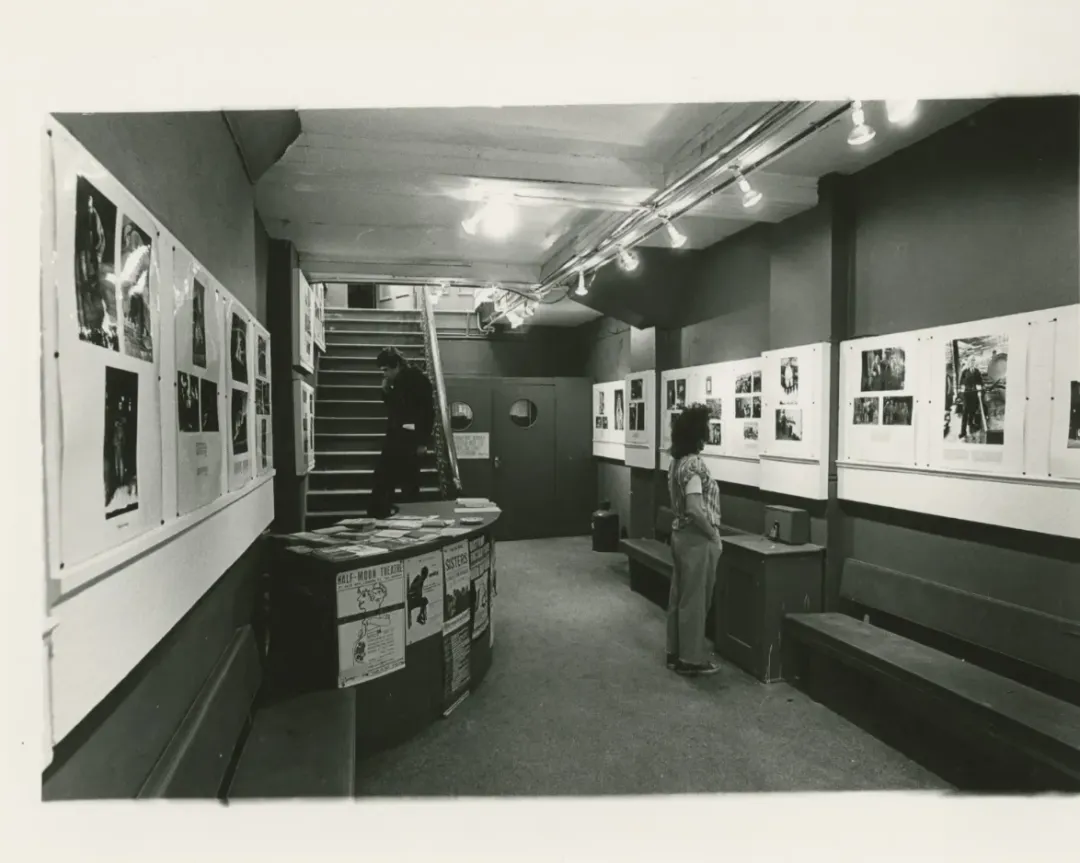
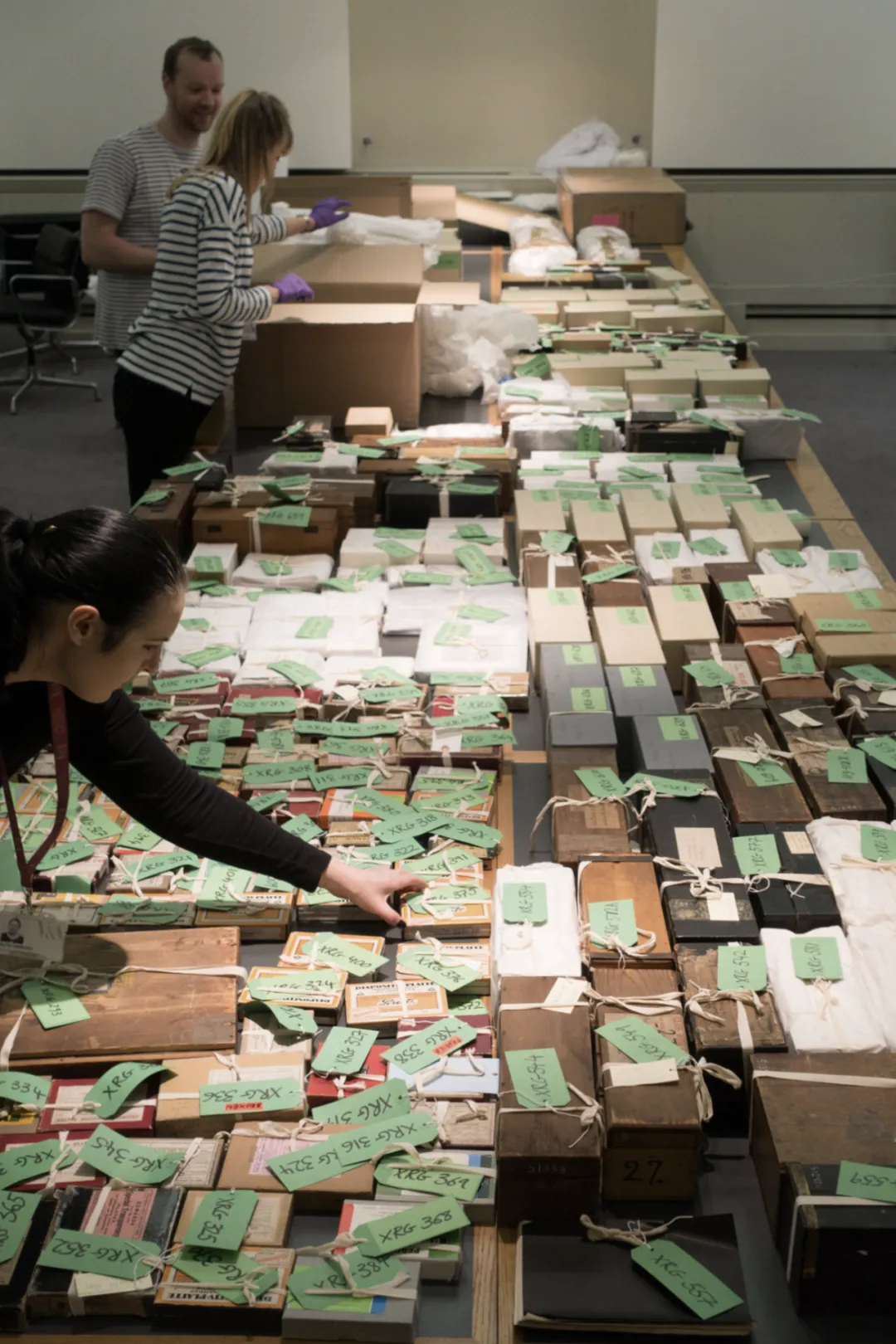
I think that throughout the 20th century Britain actually lagged somewhat behind the US and France in researching the history of photography. British photographic collections weren't preserved as well as French ones. France now has many museums and archives devoted to photography, with very rich holdings. In Britain, Tate only got its first photography department in 2003. Before that they probably didn't consider photography fine art, so there was no systematic collecting.
Britain's longest-standing photographic collection belonged to the Royal Photographic Society, which a few years ago donated its entire collection to the Victoria and Albert Museum. The V&A is now one of London's leading photographic institutions and opened a new photography centre a couple of years ago. France, meanwhile, has consistently published a large body of scholarship on photography. It was first written in French and only later translated into English, so there was a delay. In the US there's been continuity since Beaumont Newhall, and MoMA's photography department has always been strong. So for quite a long time, photographic research in Britain really was less institutionalized than in France and the US.
Guosen Chen
Britain didn't have anything like America's Guggenheim Foundation to support individual artists, so it had to rely on state funding. The Arts Council's photography funding was set up in the '70s. Its head went to the US specifically to study how things worked there, then came back and built a grants system. But British grants were project-based. They weren't like Robert Frank's, where you could shoot whatever you wanted and even tens of thousands of negatives would be covered. Britain had no such luck. So the difference in funding mechanisms pushed Britain and the US in increasingly different directions.
Wen Zhang
Let me add a Chinese perspective. First, early photographic history relied heavily on the form of technical history. Its origins were often presented through world's fairs and through physical and chemical properties. Daguerre made his technique public, open-source, and its precise images gave rise to photography's later documentary and evidentiary character. Talbot chose to take out a personal patent, and the blurry images his process produced came to be associated with painterly, artistic qualities. But this "artistic quality" was not innate. Later scholars, curators, and museum mechanisms kept adding to and establishing it.
Wen Zhang
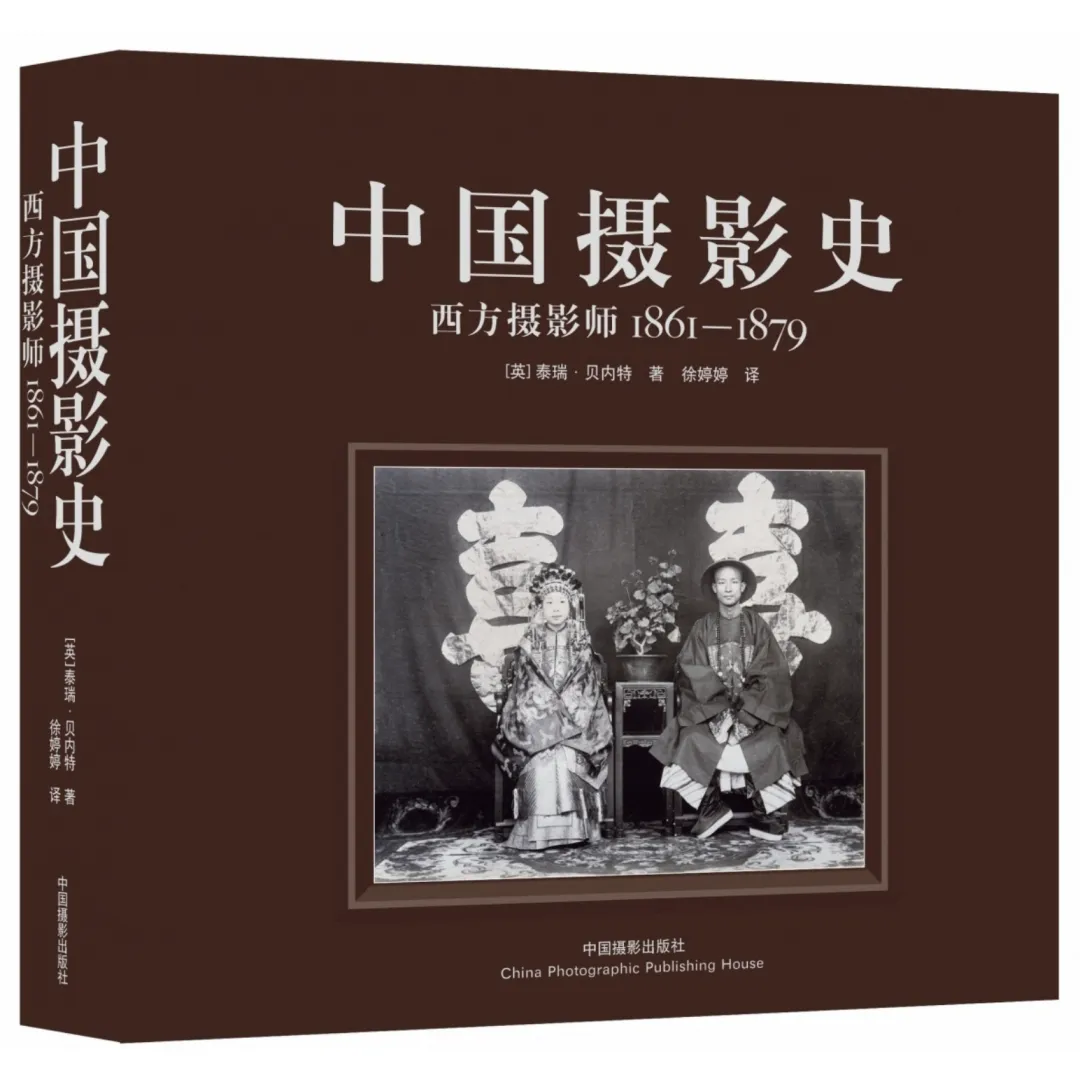
Second, there's the question of the legitimacy of photographic history under a Western-centric perspective. Take Bennett's History of Photography in China. Some scholars have criticized it on the grounds that Western scholars can't write the history of Chinese photography. But the real core difficulty isn't the author's identity. It's the historical conditions themselves. After the Second Opium War, China lacked a sound mechanism for building archives. Even though local photographers produced a great deal of excellent documentary work, no systematic history of photography was written. Given this archival void, the outsider's perspective objectively filled the gap. In facing this historical legacy, today's discussion shouldn't stop at simple postcolonial critique or one-directional archival repair. We should recognize that this way of seeing was hybrid from the start. It was the product of an interweaving of Western photographic technology's intervention, the practice of Chinese photographers, and the interplay between being looked at and looking back.

Yaqiong Zhang
Everything we've just discussed has shaped how the history of photography is written: politics, economics, ideology, institutional discursive power. So my question is, faced with such a limited history of photography today, what should we do? Should we fill in the gaps, or do we need a new perspective for understanding it?
Guosen Chen
First, we're all critiquing canonical photographic history now. But decolonial approaches, material studies, archival studies, and other new approaches all run the risk of becoming a new "canon" themselves once they emerge. Second, canonical photographic history has its problems, but it does provide a frame of reference that everyone can share. That frame lets different researchers converse within the same field. If it's discarded entirely, academic exchange may actually become harder while we wait for a new one to form.
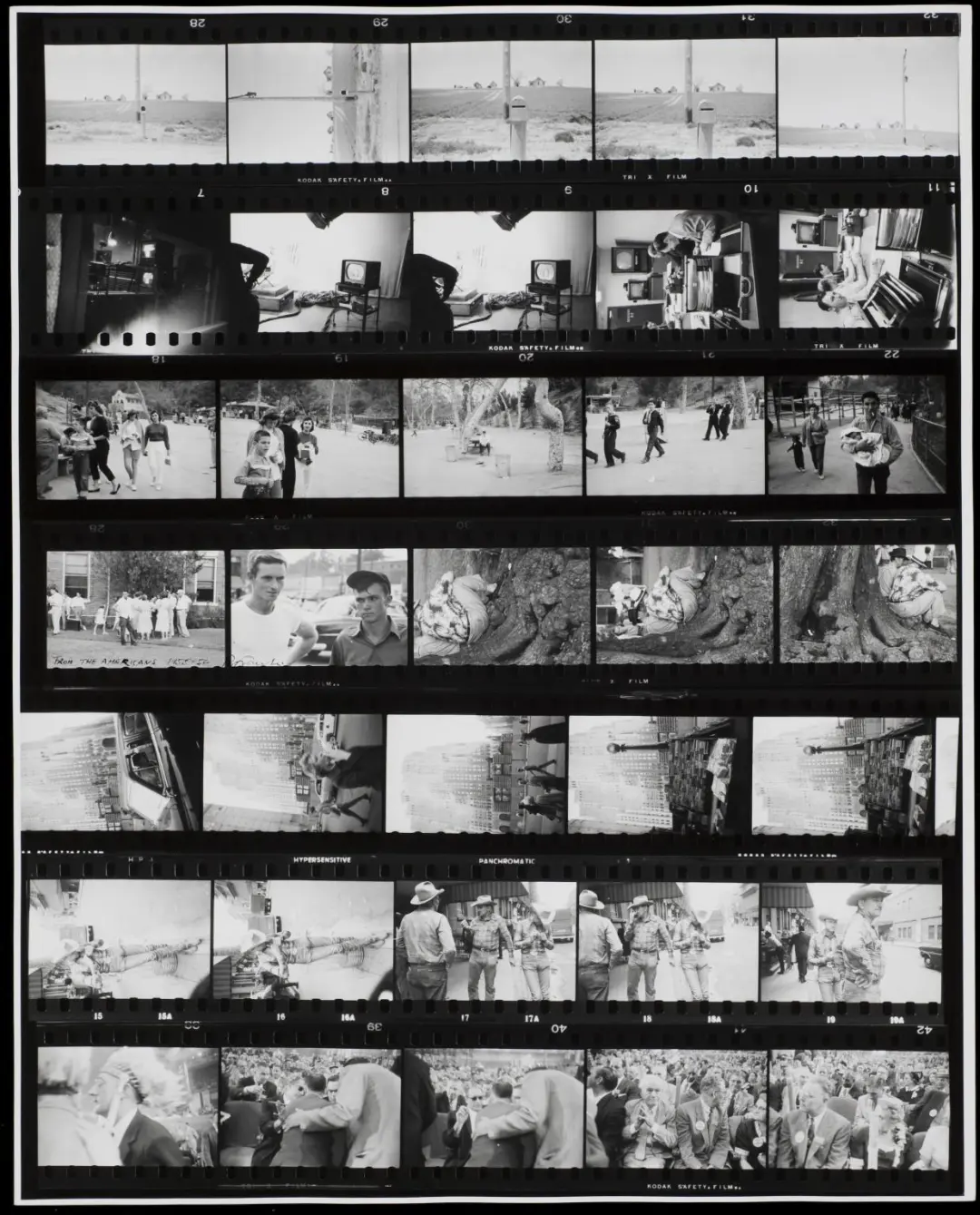
At the same time, even as we deconstruct and oppose the canonical narrative, its material infrastructure keeps running very steadily. Whose photographs deserve to go into museums? Whose photographs qualify as objects of research? The ranking of these values is still determined by the traditional system. If we want to research Robert Frank, for example, there are dozens of tools and vast amounts of material to draw on. But if we want to study a photo studio in a small Chinese city in the 1950s or '60s, almost no one works on that, and sources are hard to obtain. In other words, there's a huge gap between the new research methods we advocate and the infrastructure they depend on. The material and institutional side takes generations to build up slowly. It can't be solved just by discussing theory and method.
Guosen Chen
Also, suppose we accept that the canonical narrative no longer has value and treat it only as a target of criticism, mentioned in passing when promoting some new method. Then the absence of the thing being criticized means the criticism itself is no longer understood. If none of us reads Beaumont Newhall anymore or cares about his framework, and then you jump up and say "I'm going to do a material-culture history of photography," people won't know what use or meaning your work has, because they're no longer familiar with what you're opposing. Once our work starts from a stance of negation, the loss of what we're negating makes it feel like shadowboxing. So I think the greatest harm of losing a common language is that criticism loses its effectiveness.
So what can we do? I think we don't have to share the same narrative as traditional photographic history, but we can face the same materials and use them to tell different stories. The key question is: on what grounds do you select these materials? In the end it comes back to the question of value standards. A better approach might be to make the process of selecting materials itself visible. The point isn't that the materials I've chosen are the most correct. It's that the basis of my judgment is exposed. That way, your choices become open to discussion and debate.
Yaqiong Zhang
The topic "writing the history of photography" isn't about opposing orthodox historiography. It's about pointing out that some materials have always been there but have never received attention. Take Wen Zhang's research on rural Chinese photography. Within the larger framework of Chinese photographic history it's a fairly niche direction, but this kind of research is very necessary.
Wen Zhang
Rural imagery, or rural photography, as a concept is a direction I've been focusing on recently. I want to start from existing materials to write a history of rural photography. Guosen just said that "what matters is not the existing archive but how the archive is produced," and that really hits the mark.
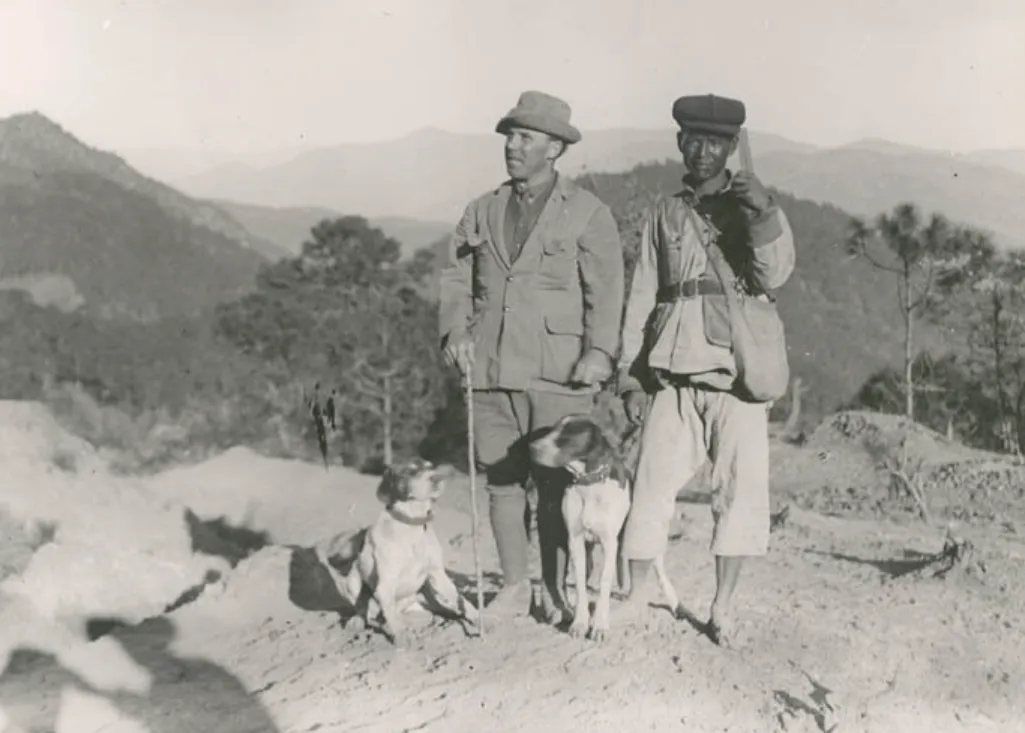
I've recently been reading The Paper Road by the anthropologist Erik Mueggler, about plant collecting in Yunnan. It discusses two botanists, George Forrest and Joseph Rock. Both were botanists as well as photographers carrying cameras in southwest China. They didn't regard their photographs as art but as a scientific tool for botanical surveys.
In Yunnan, Forrest relied on a man named Chengzhang Zhao to collect plant specimens for him. Zhao had highly specialized knowledge of local vernacular names, which Forrest appropriated. But once this local knowledge circulated to the West as archives, Zhao's name was completely absent from orthodox knowledge production. Only later, through the writing of Euro-American anthropologists, did this anonymous figure come to light. Joseph Rock took a great many photographs in the region, including many "self-portraits." But the archives don't record who took them, and the rights all belong to Rock or his family. Only later, through other scholars' research, did we learn that those photographs were actually taken by Rock's assistant, a local man named Shichen Li.
Wen Zhang
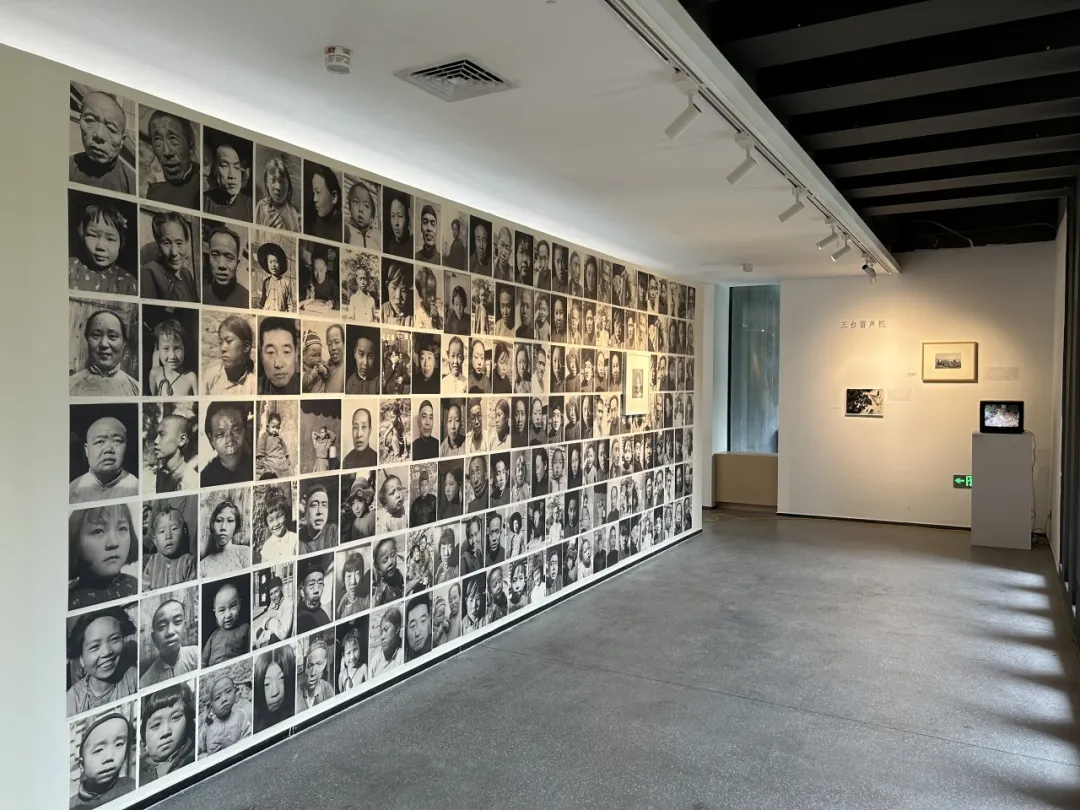
These two examples show that when the archives of photographic history are presented to us, their mechanisms of production, their legitimacy, and their transparency are all problematic. Specimens and photographs are isomorphic here: local knowledge and local people were appropriated and erased, and only through later rewriting are the anonymous producers seen again.
Plural Histories of Photography: Diverse Questions Beyond Exhaustive Listing
Guosen Chen
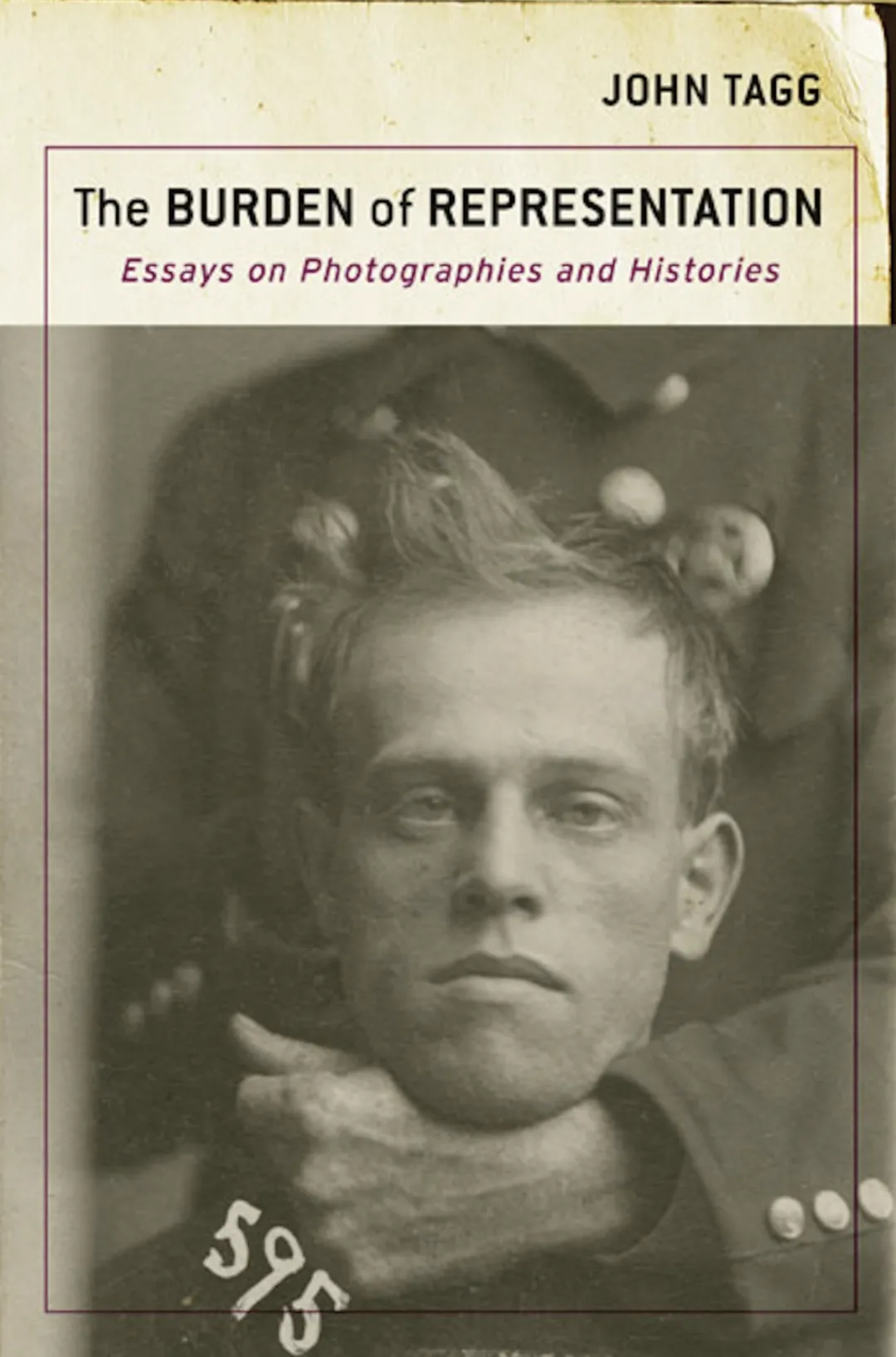
What Wen Zhang said reminds me of John Tagg's The Burden of Representation: Essays on Photographies and Histories[5]. The Chinese translation renders the subtitle in the singular, but the English original uses the plural: "on photographies and histories." Yet when you finish the book, you find it's actually still very "singular." Whether it's discussing police archives, slum photographs, or criminal photographs, everything is ultimately reduced to "an instrument of state governmentality." Whatever photographic practice you feed in, the same thing comes out. His title is interesting. If you take that plural seriously, I think his own work serves as a counterexample to it.
Guosen Chen
In the history of photography we need, plurality shouldn't just mean adding more objects of study. Including rural photography, photo studios, workers' photography, and family photography doesn't make it a plural history of photography. True plurality depends on whether the ways of asking questions are themselves diverse. Different photographic practices have differences that can't be reduced to one another. Those differences aren't about whether you photograph people or animals. They're about the fact that people approach problems in fundamentally different ways. A family group photo and a formalist artwork can of course both be analyzed within a framework of power. But if every photograph is fully accounted for once it's put through that framework, then what is most irreplaceable about photography, and the most irreplaceable differences between practices, disappear. The irreplaceability of experience requires ways of asking questions that can't be reduced to one another. If we approach "what kind of photographic history should we write" by exhaustive listing, we'll never find a good answer. True plurality lies in the diversity of ways of asking questions.
Yiwei Wang (Ellen)
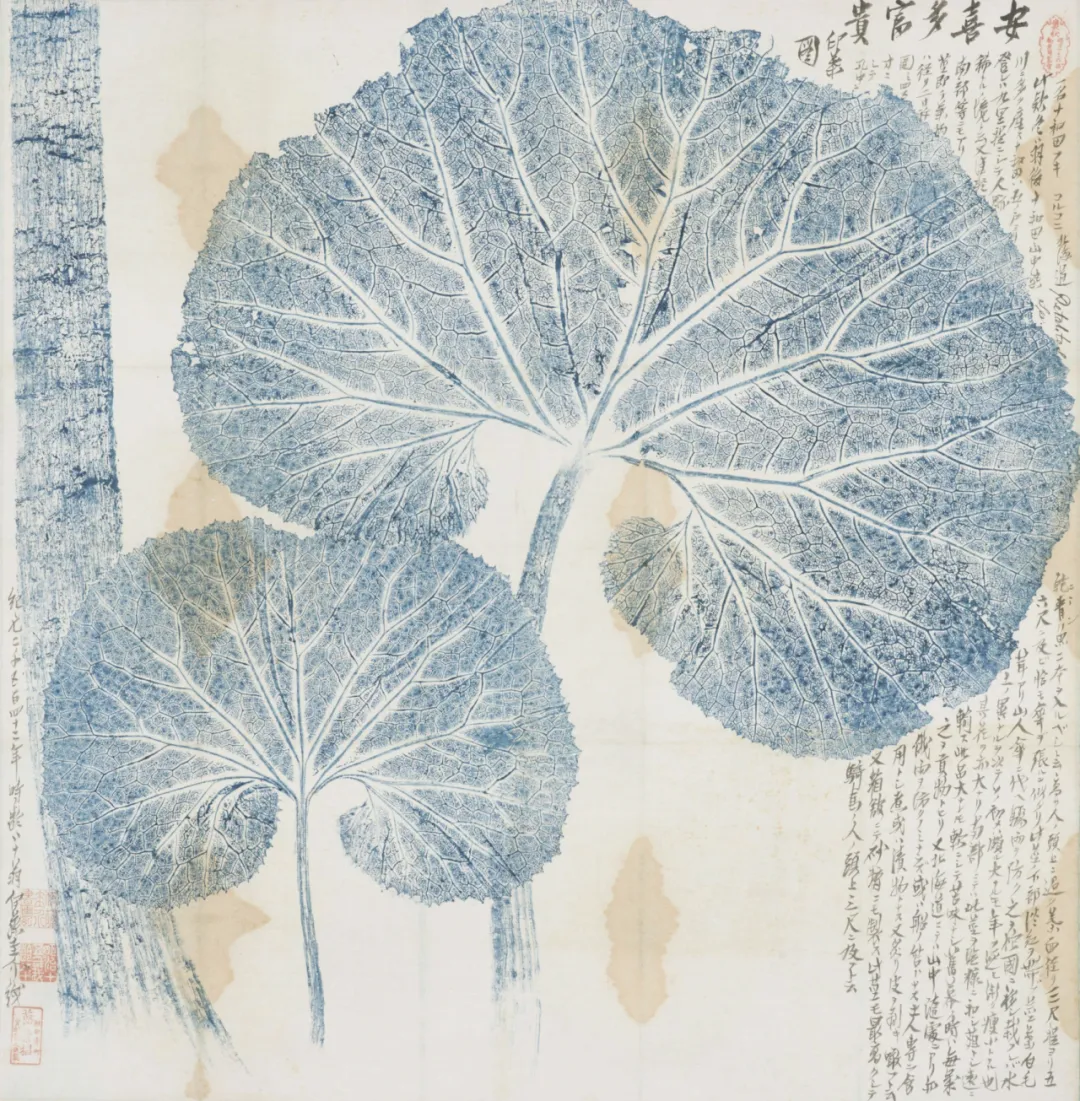
What Guosen said makes me think of a very concrete issue: much of the vocabulary of photographic history itself carries Western origins. I'm thinking of Maki Fukuoka[6], a Japanese historian of photography I encountered in Britain. She wrote a book on the history of Japanese photography, The Premise of Fidelity[7], which discusses the origins of Japanese photography in nature prints of herbaceous plants. She argues for rethinking photographic history through indigenous Japanese vocabulary. In Japanese, photography was once called "shasei" (the same word as the Chinese "xiesheng," meaning sketching from life), later "kōga" (light painting), and then "shashin." Each change of word represents a shift in how photography was understood. A few years ago there was also a roundtable in which three scholars from China, Japan, and Korea discussed differences in photographic vocabulary across the three East Asian countries: Chinese "zhaoxiang" and "sheying," Japanese "shashin," and Korean "sajin" (사진). They used the different origins of these terms to rethink the framework of Western photographic history. I think this line of thinking is helpful for us.
Yaqiong Zhang
My professor once asked me what word Chinese uses for "photography." I said "zhaoxiang" works, "sheying" works, and "paizhao" works too. The earliest Japanese term was "shasei," meaning copying plants from life, which then became "kōga" and then "shashin." Each change of word marks an ideological shift in how photography was understood, so discussing words really is necessary. The same goes for thinking about how we view photography's practices of circulation on social media. I think all of these revolve around changes in the ways we ask questions.
Digital Overabundance and the Reordering of Everyday Images
Yiwei Wang (Ellen)
Guosen just talked about "ways of asking questions," and I think a lot of new research is already putting this into practice. In the 1990s, the scholar Geoffrey Batchen [8] proposed the concept of Vernacular Photography [9]. He used it to describe photographic practices neglected by art history, such as family albums, souvenir photographs, and everyday images from the colonial period. In short, practices outside the fine-art framework.
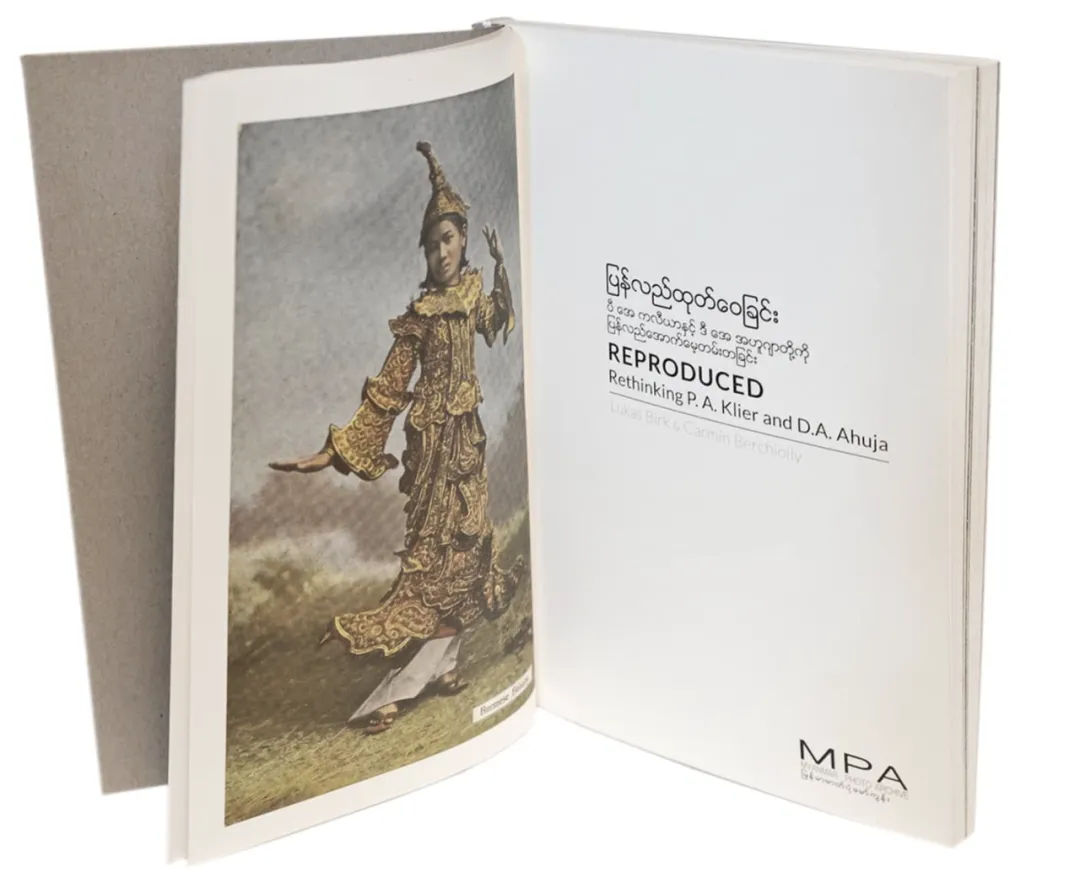
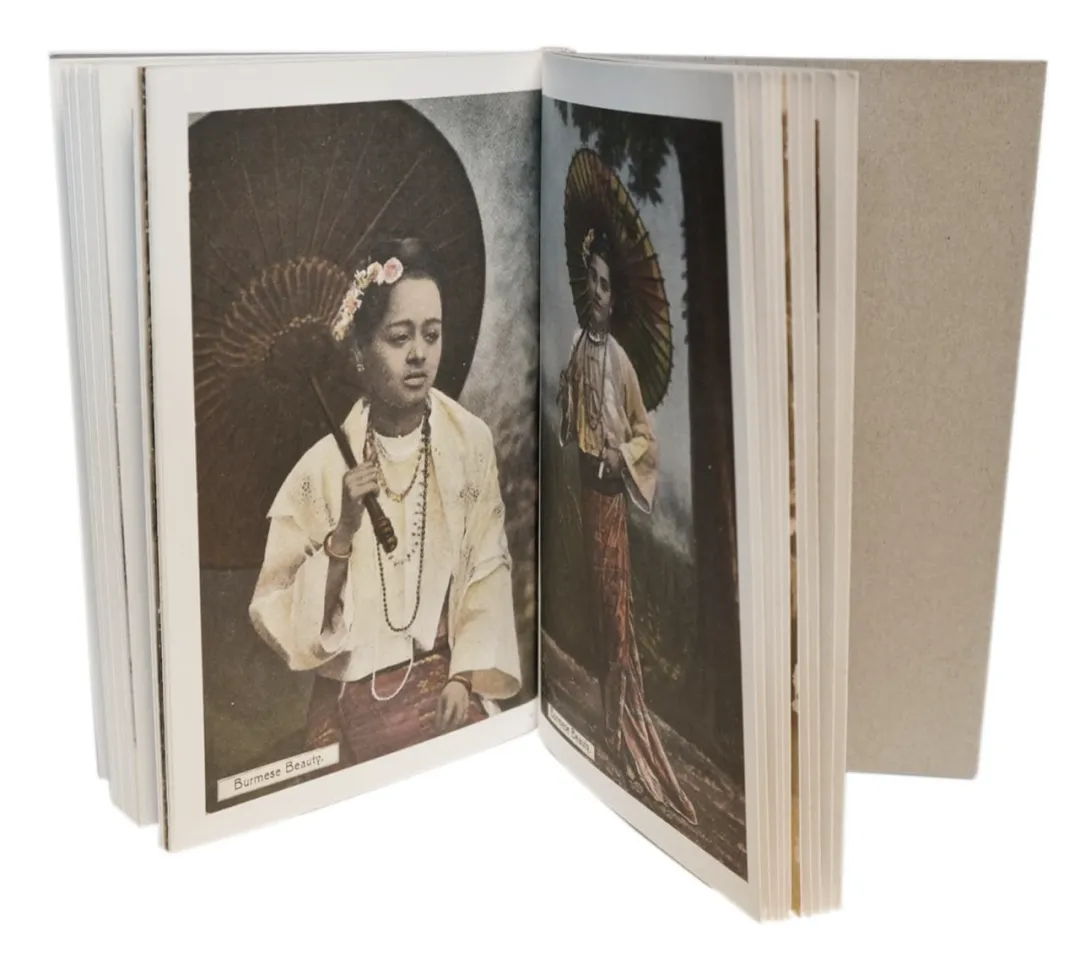
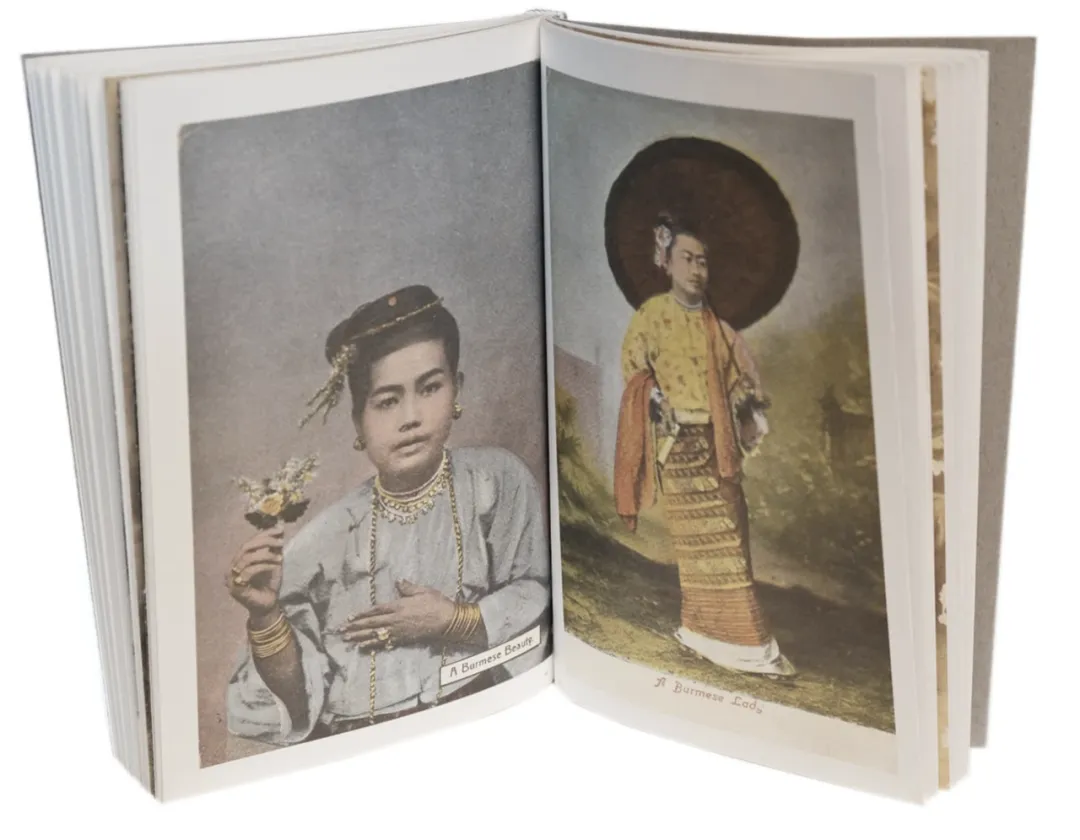
Interestingly, though, in 2019 he himself said at a conference that "we can abandon this term now." He had proposed it to win attention, and everyday images had since become a mainstream direction in photographic research, so there was no longer any need for a marginal term to defend them. The greater irony is that in recent years more institutions dedicated to everyday photography have appeared in Europe. Budapest now has a research center for vernacular photography, and the University of Liverpool has a center for vernacular and cultural studies. In France there's Thomas Sauvin's "Beijing Silvermine," which salvages discarded everyday negatives from China. The Austrian artist Lukas Birk goes to Myanmar to collect local photographic archives and make books from them. In recent years, work on "neglected materials" has become more and more fine-grained.
Yaqiong Zhang
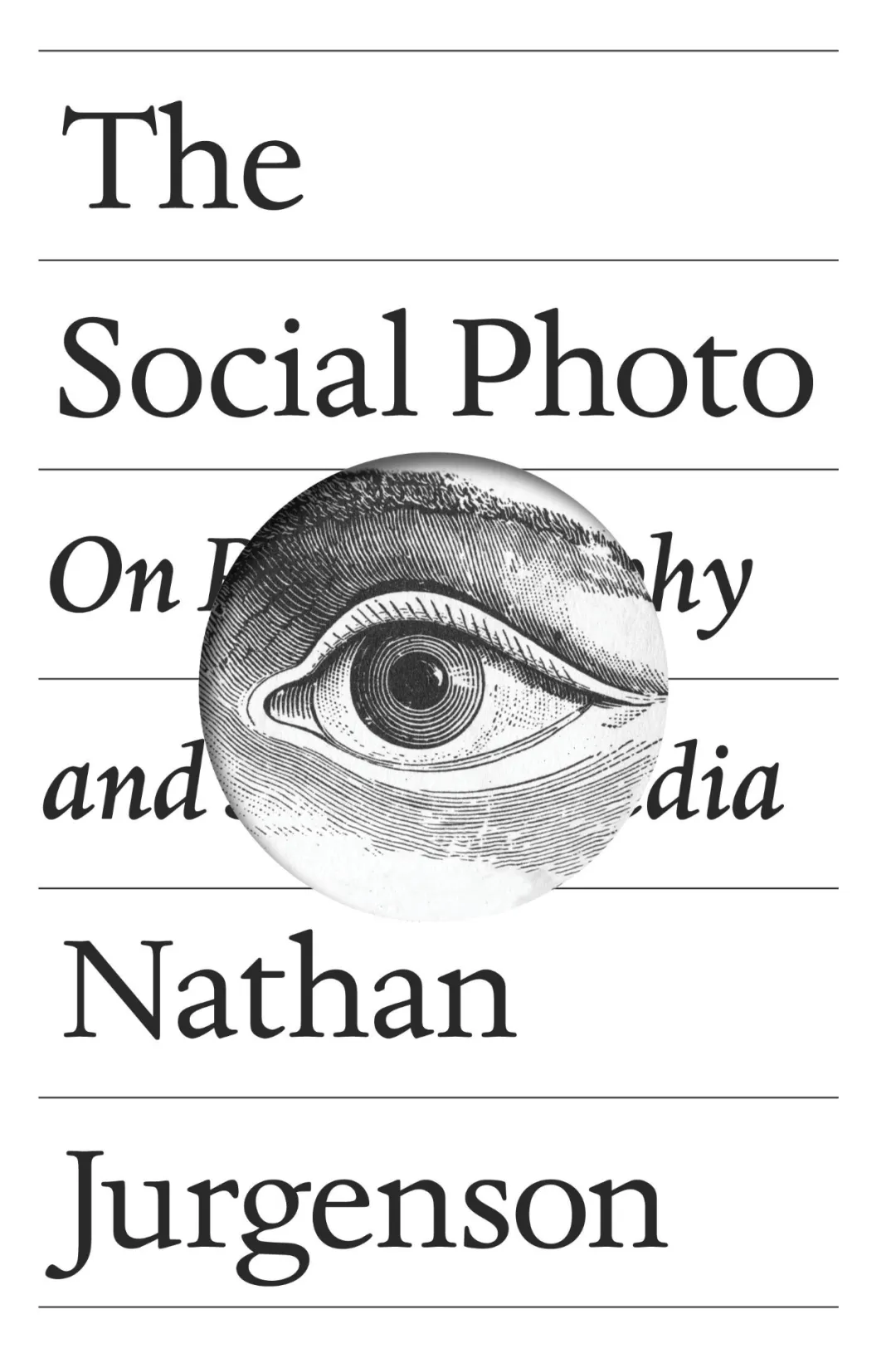
There's a book called The Social Photo[10]. It pulls photography out of the art framework to discuss its practices of circulation on social media. It no longer asks "what makes a good photo" but "how photos generate social relations." Today everyone takes pictures, and photography can no longer be understood solely within the context of art. It shapes how all of us live, and that's the question more worth discussing.
Yiwei Wang (Ellen)
As images, not as photography. What we call "photography" now is different from before. It's mostly digital images, and you may never see an actual photograph.
Guosen Chen
In Photo-Meditations[11], photography and mediation are combined. The editors use the term to describe photography's current condition. Photography has become an all-pervasive mediator of life. It constantly slices up the flow of our daily lives and mediates our relationships with ourselves and with others. It has almost become the total condition of our existence today.
From this angle, what will the future history of photography look like? I don't think we can predict it. People writing history today always have preconditions. They inevitably look back at the past from within their present lived experience and media situation. Only on the basis of an understanding of the present can a particular version of the past be produced. Precisely because photography's mediation of our lives has become so all-pervasive, the photographic history we write today takes the shape it does. All present conditions are conditions of history's intelligibility. We can't reconstruct a pure past. That we can recognize in historical materials that "this is worth writing about, and so is that" is largely because we are being mediated by photography with unprecedented intensity.
Guosen Chen
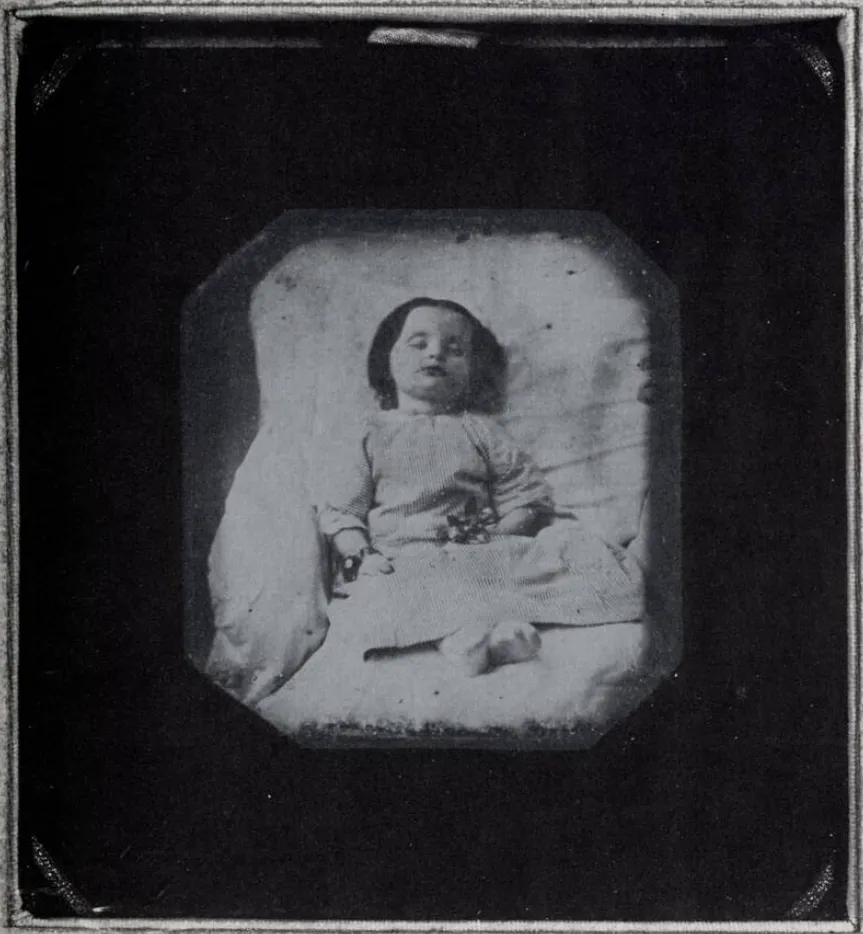
Conversely, someone who doesn't live in our present environment might look at Victorian photographs of dead children and fail to understand what makes them special. So the photographic events that make it into the history we write today do so largely because we ourselves live under completely different photographic and living conditions. In this sense, there is no definitive history of photography. Today we're discussing "what kind of photographic history should be written," but looking back 40 or 50 years from now, the value standards and materials we're discussing may no longer matter, because we don't know what the future holds.
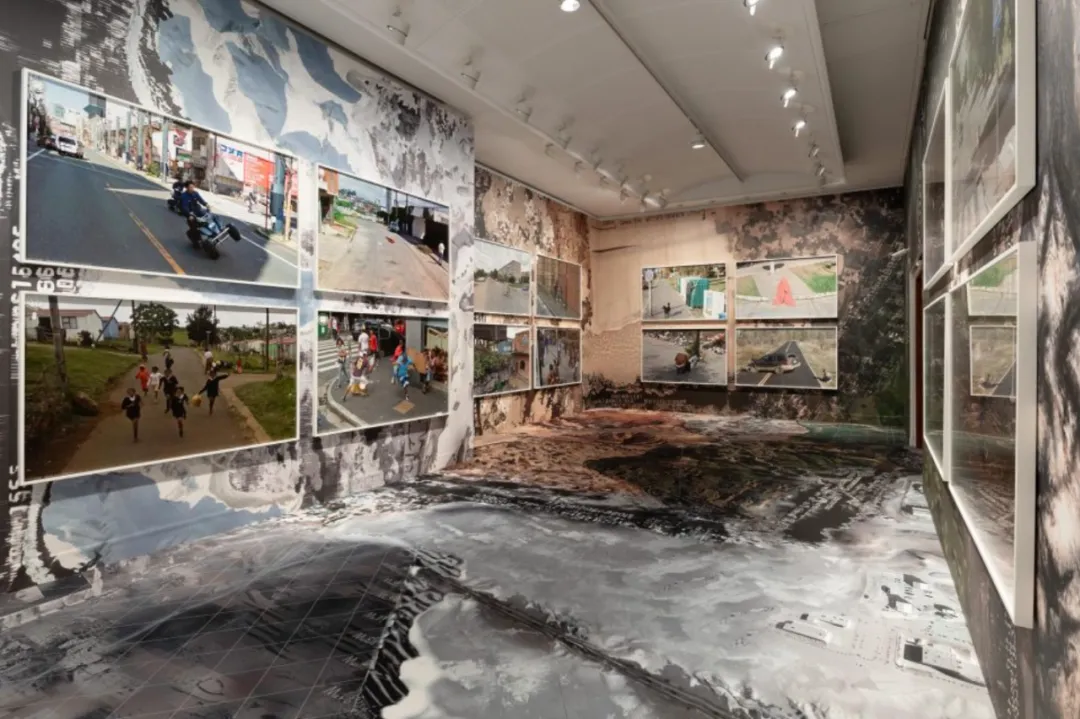
So what can we do now? I think what we can do is look at what in our era is at risk of failing to survive as history. Once you look at it this way, you realize the conditions we face are completely different from the past. The biggest problem for photographic research used to be "where do I get materials?" Even "Beijing Silvermine" is essentially about salvaging materials on the verge of disappearing. Now it's been completely reversed: there's too much material, so much that it can't be archived or reasonably preserved. Digital media have a limited lifespan. Kept on an external hard drive, they'll probably be gone in 20 or 30 years. On the other hand, colonial archives are well preserved, but our access to them is increasingly restricted. Azoulay's discussion of decolonial practice also talks about "unlearning" established readings of the archive, returning archives, and so on. The situation is completely different from before.
Wen Zhang
On the subject of accessing materials, I'd like to add something. Several books on the history of Hangzhou's photo studios have been published there. Their author is a collector who has gathered a large number of old photographs and does research based on the physical materials. It's somewhat like Bennett's method: first you have the physical materials, then a narrative develops from them. There's also another way of handling vernacular archives, such as Thomas Sauvin's "Beijing Silvermine." In my view, much of it approaches and handles found archival material through contemporary art methods. It isn't a history of photo studios in the strict sense, but it is at least a history of vernacular photographs. The Vietnamese artist Dinh Q. Lê did similar work not long before he died. He collected old vernacular photographs scattered in secondhand markets, focusing on Vietnam's colonial history. He wasn't writing a history of photography, but producing a new narrative through contemporary art. I think this kind of work adds something very meaningful to photographic history.
Bodily Experience and Technological Resistance
Yiwei Wang (Ellen)
Guosen just mentioned the current dilemma around materials. It reminds me that after the 1990s, English-language photographic history took an important turn, the "material turn," which pays more attention to the materiality and material history of photographs themselves. Elizabeth Edwards, a former curator at Oxford's Pitt Rivers Museum, is a leading figure here. She studies photographs as objects, focusing on their sociality and materiality. To some extent, this turn was a response to digitization. When everything became dematerialized, people were prompted to pay attention to the material properties of early photographs. That's also why we see more and more people working with cyanotype, albumen prints, wet plate, and other historical processes. It isn't just nostalgia. It's about preserving that material experience.
Yaqiong Zhang
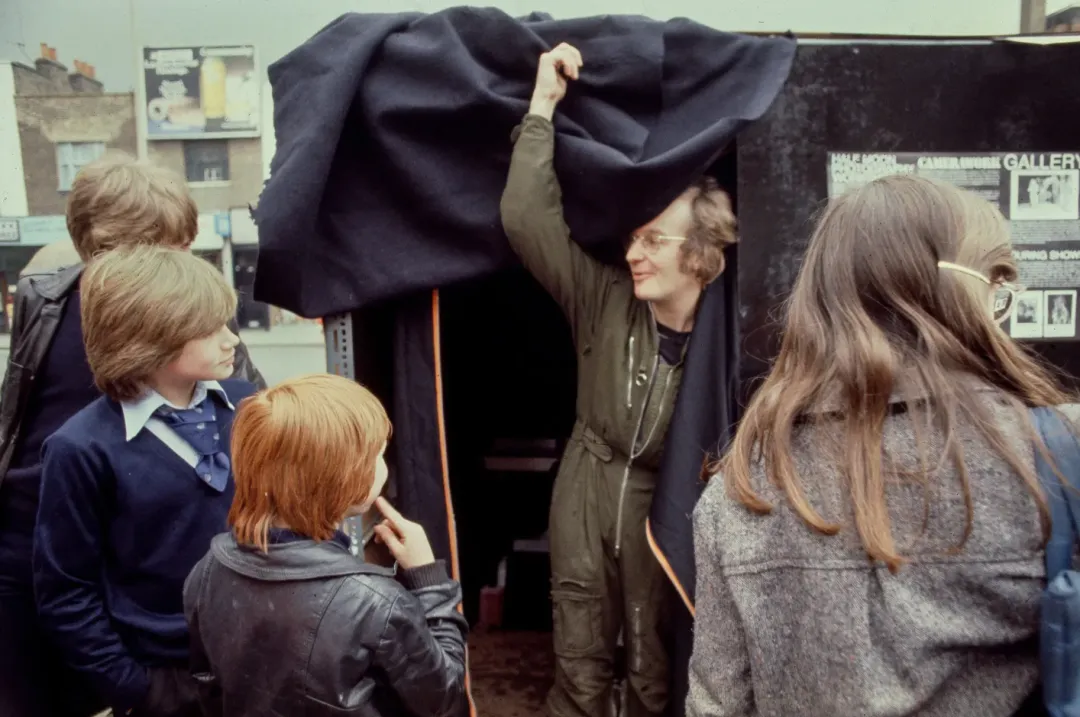
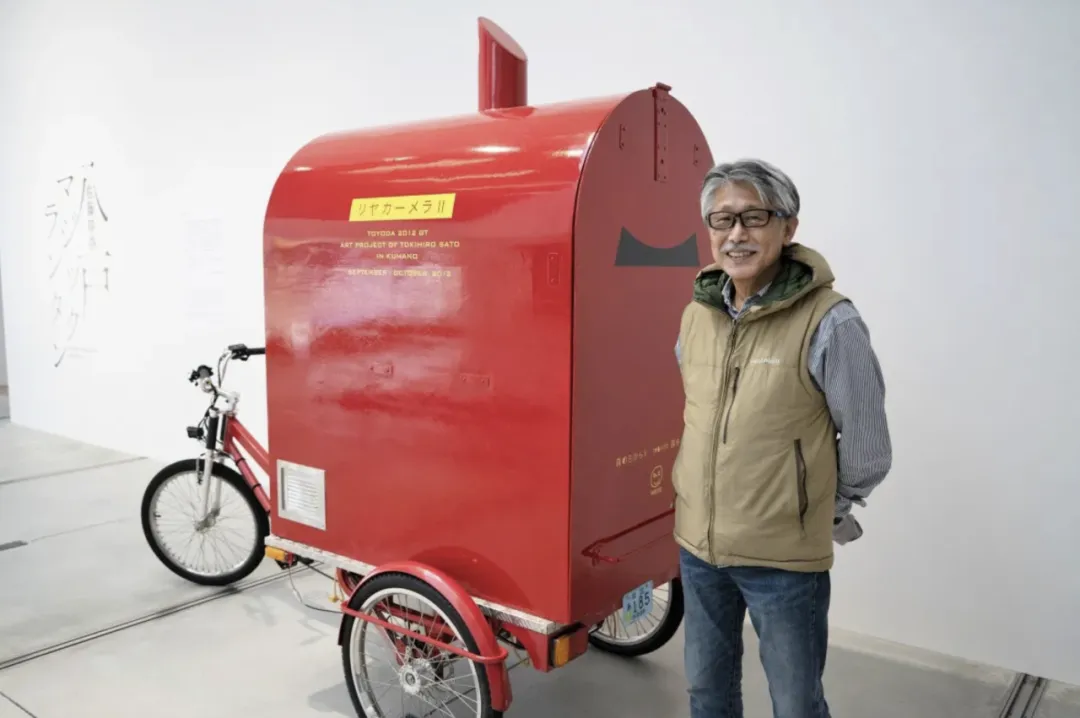
I completely agree. If people in the future have no idea what a cyanotype or an albumen print is, they'll have no hands-on experience to draw on when they look at historical photographs. In China there are still many people keeping historical processes alive, including some who build large mobile camera obscuras that you can walk right into. The Japanese artist Tokihiro Sato made a mobile camera obscura mounted on a bicycle cart. He pedals around carrying people so they can experience firsthand how a camera obscura is constructed and how it works. The experience of photographic seeing itself needs to be preserved. Otherwise, people in the future may think photography is something very flat.
Guosen Chen
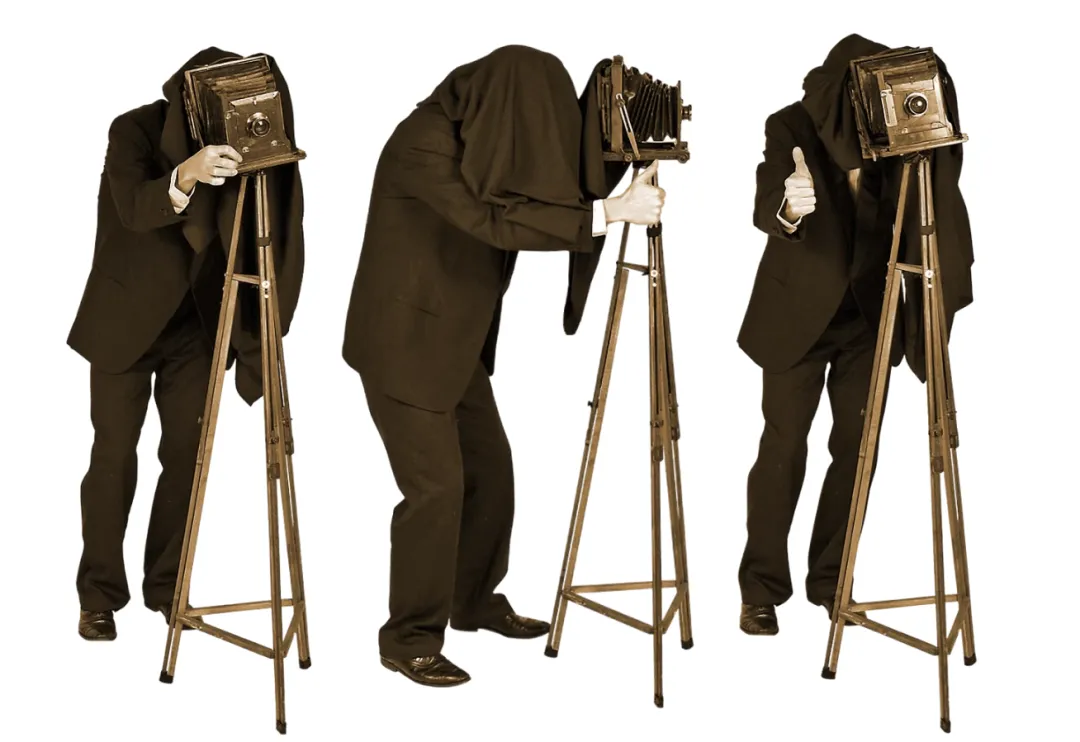
I once saw someone on a Shanghai street taking portraits of strangers with an 8×10 large-format camera, and later found out he's an enthusiast who does this specifically. There used to be a saying that to look lifelike in a photograph you had to hold as still as a corpse. Bazin wrote something similar. Our experience of how images circulate is completely different now. What is history for? I think it tells us that today's path isn't the only one. A photograph was once very expensive, a keepsake you might wear on your chest and caress. Having your picture taken once meant holding still for tens of seconds or even minutes, so the sitter's bodily experience was completely different. Without this knowledge, we couldn't imagine that "life could be lived this way too." The point isn't to go retro but to stay aware of technological diversity, so that things that seem inevitable are opened up again. The meaning of historical research is to show that things could have been otherwise.
Wen Zhang
Flusser says a photograph is the flattened result of mediation among the photographer, the camera's black box, and the subject. Today some people return to traditional processes while others embrace AI. What matters isn't which side you take, but whether the mediating process itself can be exposed. Whether it's the black box, the phone, or an AI algorithm, the key is to make the generative mechanism visible.
Yaqiong Zhang
Let me add something we haven't really touched on: manufacturers. The golden age of Japanese photography in the '60s and '70s was underpinned by companies like Canon and Nikon. Today China has Huawei and Xiaomi. Xiaomi's sponsorship of photographic culture is very visible, and camera functions are a core selling point for phones. Equipment manufacturers largely shape the direction of photographic culture. Then there are awards and competitions. They stir up not only the desire to shoot but also a "desire to compare," including comparing whose equipment is better. That's part of photographic culture too.
Yiwei Wang (Ellen)
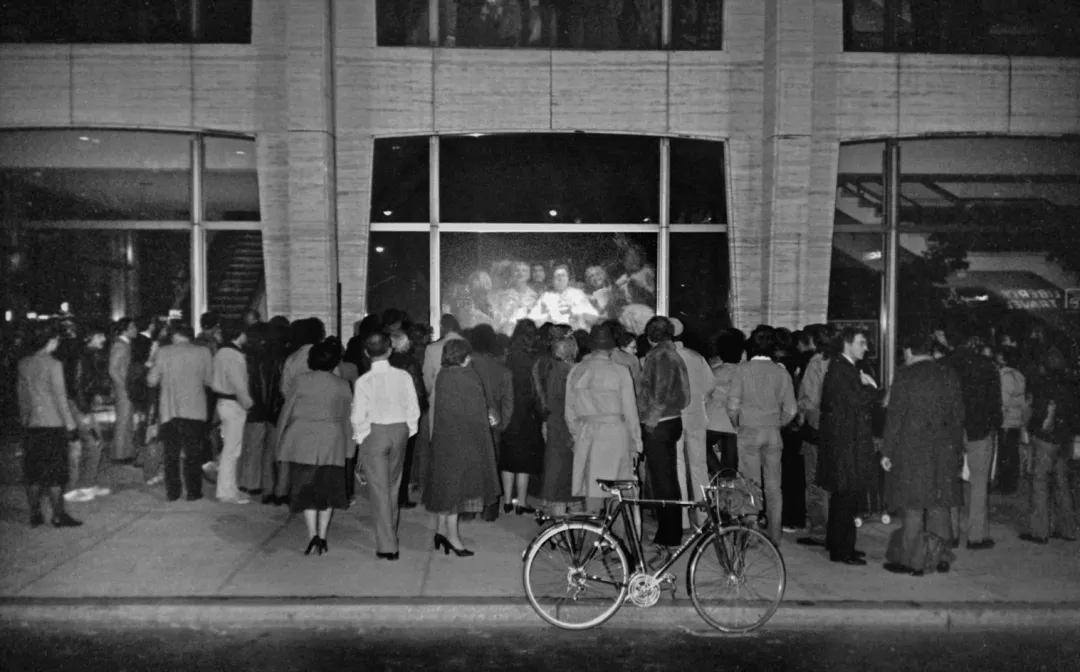
Back in the '80s, Flusser predicted that photography would become a global system of remote images. His term was "telematic images." He said photography would evolve from an independent tool for capturing reality into a global, networked system of remote images, fundamentally changing how humans communicate and exist. Reading this in the '80s it seemed abstract, but now it looks as if he predicted almost everything about today.
Guosen Chen
Flusser is very popular now, and he does write well, but I've always been a bit wary of him. Flusser's core concern is human freedom. He worries that people wrapped in technology will lose their freedom, and that this loss will manifest precisely as the feeling of freedom. You think you're unleashing your creativity, but you're really just going around in circles within the possibilities set by a program. This worry makes sense. The problem is that you can always tell someone "you're not free," and because the claim can't be falsified, it loses its force. He championed experimental photographers as the hope of breaking through the program's settings, but those photographers' works aren't necessarily all that good. Forcing a source of hope just to make the argument hold together ends up feeling strained.
Yaqiong Zhang
The shift in attitude across Flusser's trilogy is also interesting. The first book, Towards a Philosophy of Photography, is very pessimistic. The second, Into the Universe of Technical Images, suddenly becomes "let's embrace images and stop thinking about freedom." Perhaps he himself felt that pessimism alone couldn't solve the problem.
Notes
[1] Beaumont Newhall (1908–1993), American historian of photography. In 1940 he was appointed the first curator of photography at the Museum of Modern Art (MoMA) in New York. The exhibition he organized, "Photography: 1839–1937," and its accompanying catalogue established the disciplinary paradigm for narratives of photographic history and the evaluative standards for institutional collecting.
[2] Louis Daguerre (1787–1851), French inventor. In 1839 he made public the daguerreotype, the world's first practical photographic process.
[3] William Henry Fox Talbot (1800–1877), English inventor. In 1841 he made public the calotype process, which laid the foundation for the negative-positive printing process of modern film photography.
[4] Allan Sekula (1951–2013), American photography theorist and a leading figure in critiquing narratives of photographic history and the politics of the archive.
[5] John Tagg, The Burden of Representation: Essays on Photographies and Histories (Chinese edition), Chongqing University Press, 2018.
[6] Maki Fukuoka, Associate Professor in the Department of Asian Languages and Cultures, University of Michigan.
[7] Maki Fukuoka, The Premise of Fidelity: Science, Visuality, and Representing the Real in Nineteenth-Century Japan, Stanford University Press, 2012.
[8] Geoffrey Batchen, Professor of the History of Art at the University of Oxford and historian of photography. His works include Burning with Desire (1997), and he is known for his critical rewriting of photographic history.
[9] Usually translated into Chinese as "minjian sheying" (folk/popular photography).
[10] Nathan Jurgenson, The Social Photo: On Photography and Social Media, Verso, 2019
[11] Kamila Kuc & Joanna Zylinska, eds., Photomediations: A Reader, Open Humanities Press, 2016
Host and proofreading: Yaqiong Zhang; Editing: Gong Suiming; Audio editing: Qingyu Zhang.