
Between Cognition and Aesthetics: A Brief Introduction to the Philosophy of Photography
Lesson 01
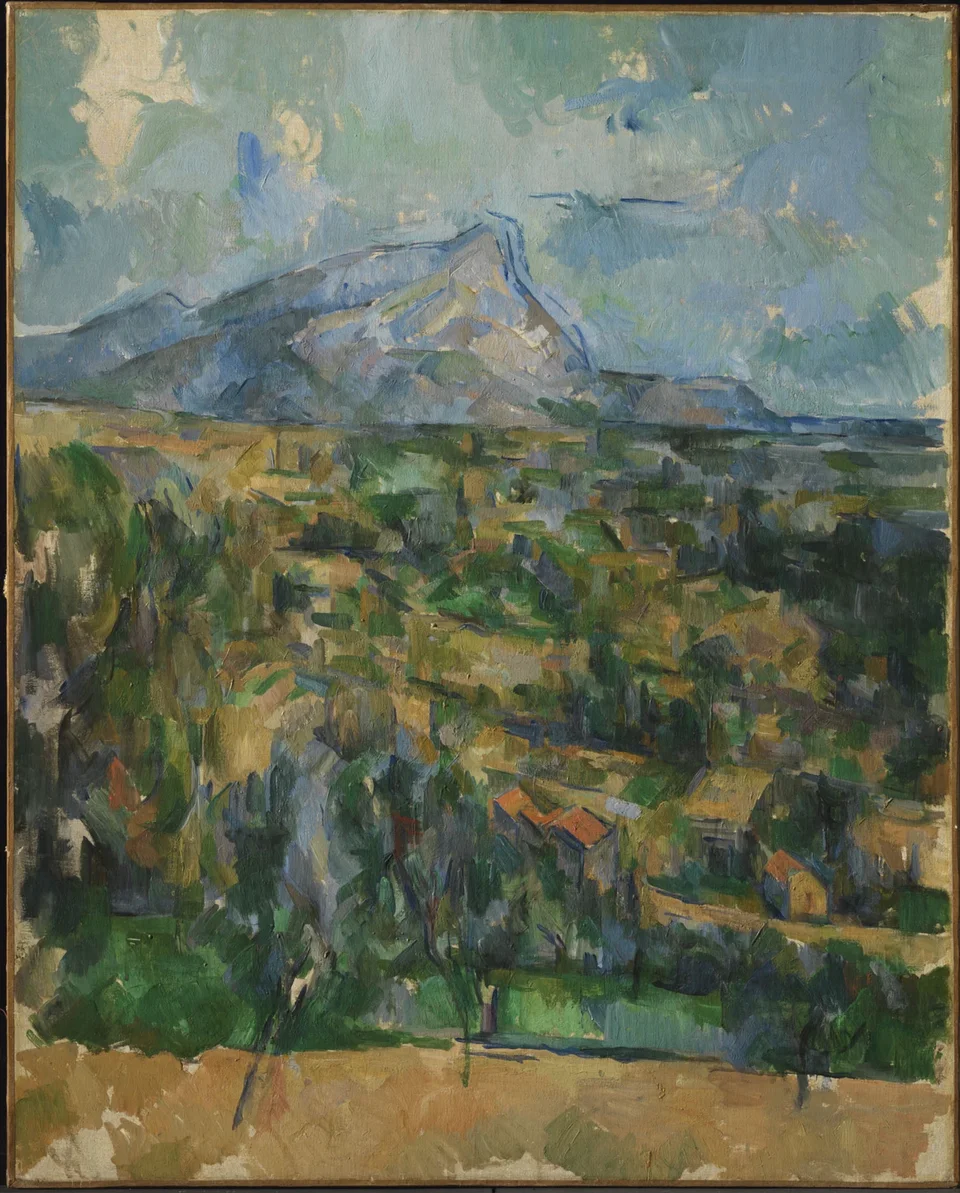
To answer basic puzzles about photography, we trace, through a series of folk beliefs about the nature of photography, the origins of an orthodox theory, and focus on the work of Roger Scruton and others to examine a new philosophical attitude that this orthodox theory provoked. To clarify the difference between the new theory and the orthodox theory, ask yourself two questions: What is photography? What is a photograph? The result will probably be that we either see photography as a means of providing photographs, or see the photograph as the product of the photographic process. The orthodox theory, grounded in folk intuition, tends to clarify the relationships concerning "photographs," whereas the new theory leans toward understanding "the photographic process." We will analyze the merits and biases of both in order to sketch the contours of the ontological question of "the nature of photography."
The Beautiful and the Sublime: From Pictorialism to Gursky
Lesson 02

This lesson uses an aesthetic theory that culminates in Immanuel Kant to explore two typical aspects of photographs. In the mid-eighteenth century, Edmund Burke distinguished the beautiful from the sublime, and in the practice of those who followed, the beautiful came to be linked with the "picturesque," which in turn foreshadowed a convention of modern tourism: people follow in the footsteps of those who came before and repeatedly produce picturesque photographs. In the eighteenth century, the typical picturesque landscape was rustic countryside, and painters and writers flocked to places such as North Wales to make their work; a hundred years later, photographers such as Roger Fenton followed suit, pouring into North Wales with the same enthusiasm for picturesque scenery. The "sublime," by contrast, differs from the "beautiful": photographs of terror, pain, danger, and vastness can often be linked with the sublime. Through readings of Francisco Goya's war series (corresponding to what Kant called the "dynamical sublime," and foreshadowing modern press and war photography, with war photography itself also seen as a special case of the sublime), the work of Luc Delahaye (likewise corresponding to Kant's "dynamical sublime"), and the photographs of Andreas Gursky (corresponding to Kant's "mathematical sublime"), we will explain the "sublime" aspect present in photographs.
Heidegger and Jeff Wall: The Question Concerning Photographic Technology
Lesson 03

Martin Heidegger has become a dominant figure in today's philosophy of art. This lesson draws on the one hand on Heidegger's reflections in Being and Time on the ways human factical life unfolds, and on the other on his account in "The Question Concerning Technology" of the essence of modern technology as "enframing" (Ge-stell). While explaining Heidegger's view of technology, it returns to the photographic practice of Jeff Wall and others to explain the way of understanding the world that photography, as a technology, opens up for us.
Rancière: The Aesthetics and Politics of Photography
Lesson 04
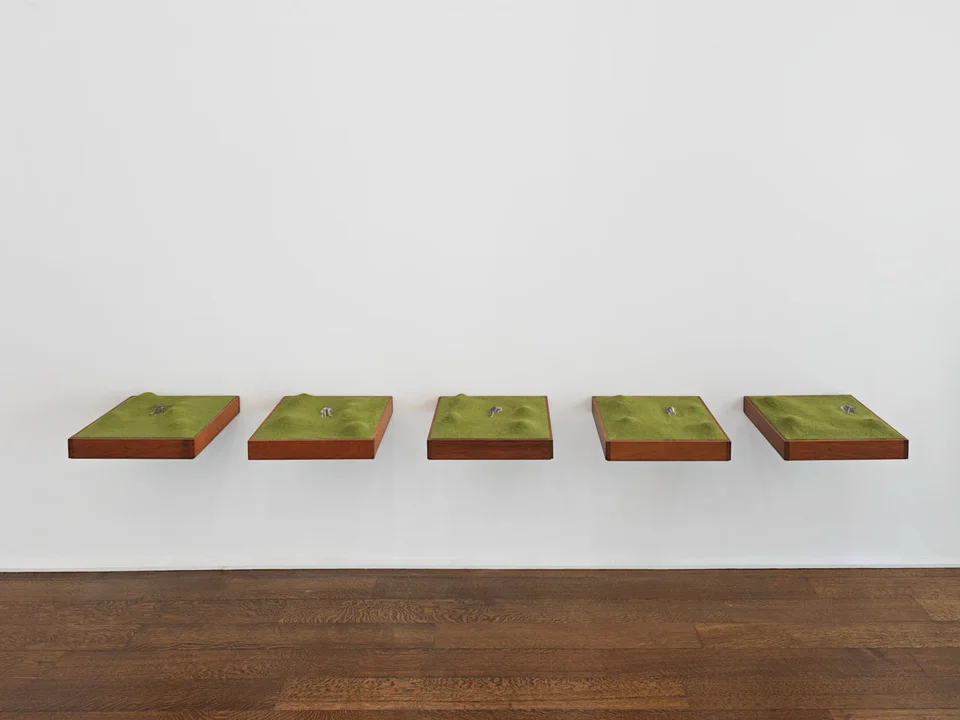
Unlike classical aesthetics' concern with questions such as the beautiful, Jacques Rancière rejects the ontological understanding of photography as the freezing of an instant or the transmission of truth. Starting from Louis Althusser, he attends to the position of images in terms of politics and ideology. Grounded in Rancière's account of the "regimes of images," and drawing on his examination of the "aesthetic regime" and "dissensus," this lesson reconsiders the common binary in photography of "truth" versus "the manipulation of truth," and then, in connection with Rancière's examination of the aesthetic democratization of modernity, reveals how photographs affect our political and aesthetic lives.
From Snapshot to Marking: Benjamin's Inscription and Constellation
Lesson 05
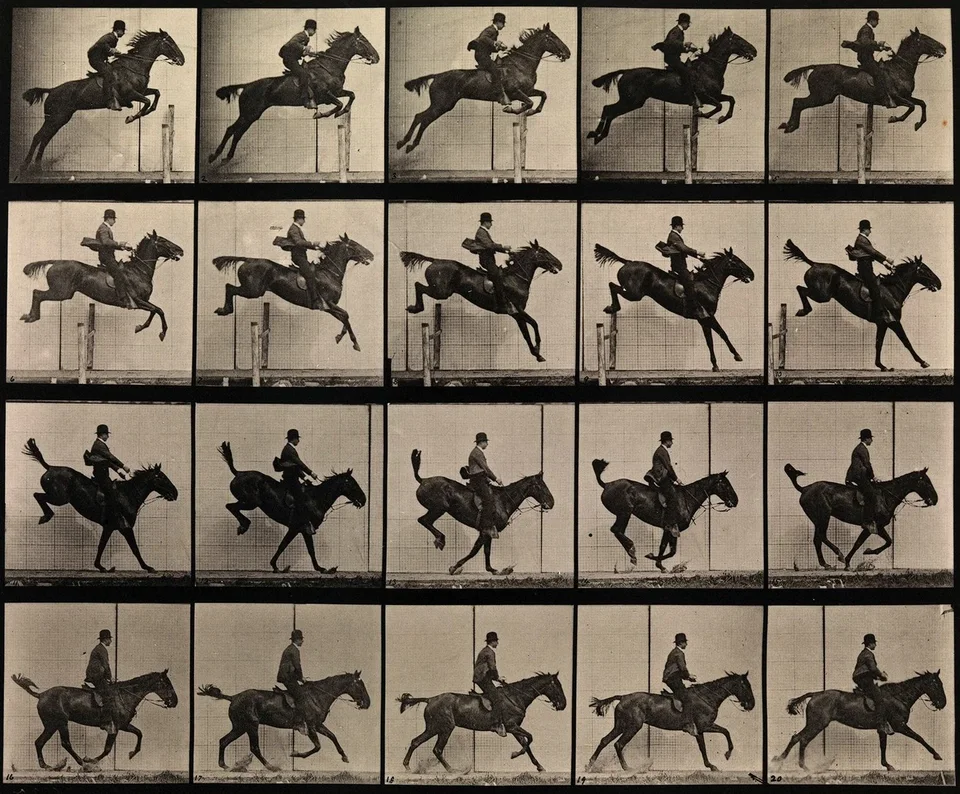
This lesson sidesteps the concept of "aura," which has been discussed to the point of saturation, and instead starts from Benjamin's concepts of the "optical unconscious" (Optik des Unbewußten) and "inscription" (Beschriftung) to examine the world of metadata behind today's photographs, and tries to further explain how the contemporary photographic system in which we now live—marked conspicuously by tagging (#XXX)—operates. This world of metadata determines how photographs circulate in today's digital world and even how their meanings are received. As early as "Little History of Photography," Benjamin mentioned the place of "inscription": without such annotation of the photograph, its meaning would inevitably remain vague; and "inscription," attached to photographs as metadata, is precisely an expression of photography's "optical unconscious."