
Introduction: Main Paths and Methods in Photography Studies
Lesson 01
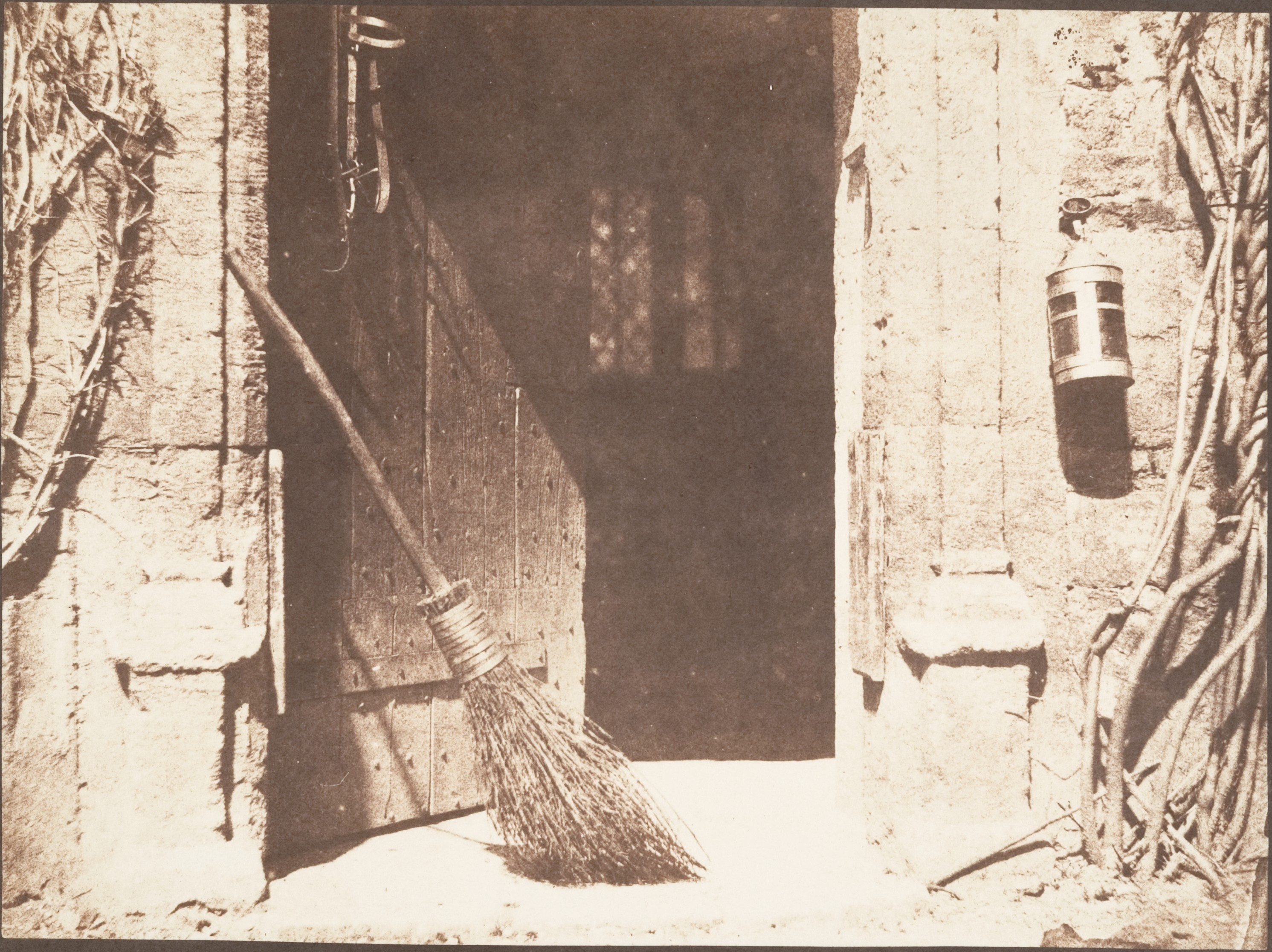
This lesson clarifies the object and scope of the study called "photography theory." We need to grasp both the aesthetic and the discursive dimensions of photographs. For photography theory, the best way to understand a photograph is to see it as a fold formed by statement and visibility. That is: a photograph is both sensible and knowable; both aesthetic and epistemological; both past and future. Against this background, the lesson reviews the various methods and basic findings in the study of photography that have emerged in formalism, modernism, postmodernism, critical theory, and contemporary photographic discourse.
Mourning and Remembrance: Roland Barthes's *Camera Lucida*
Lesson 02
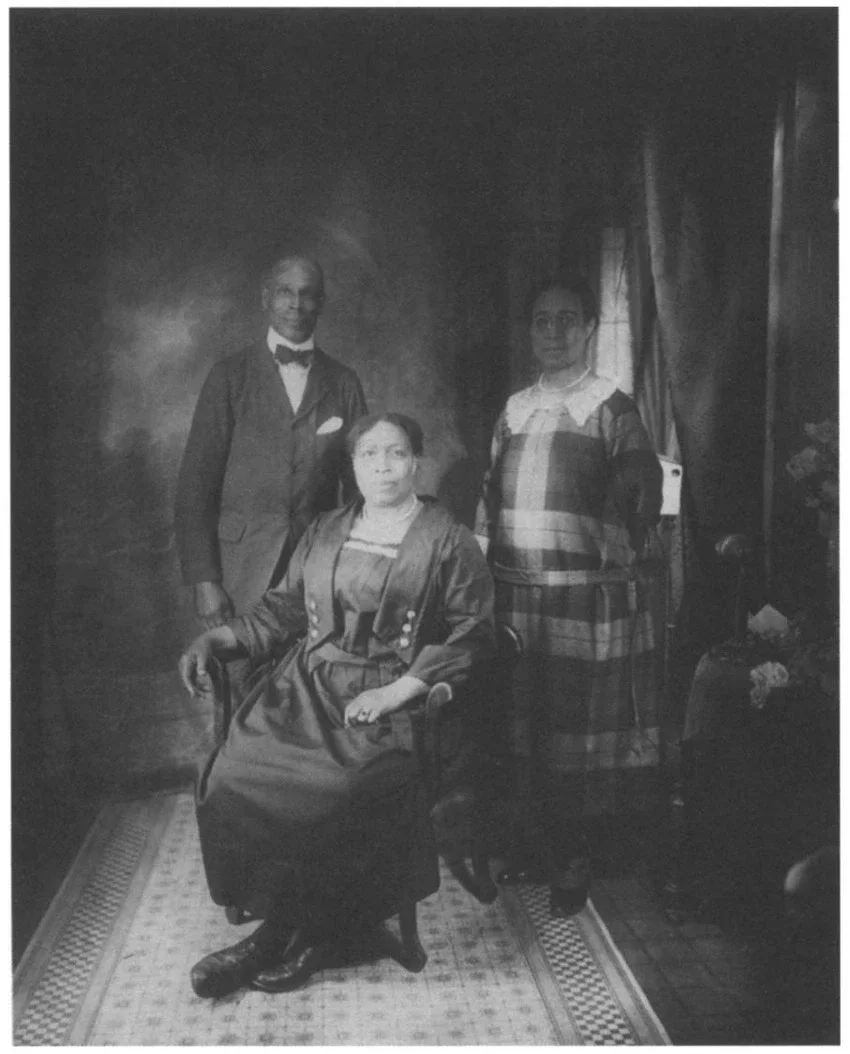
This lesson begins with Roland Barthes's Camera Lucida and discusses its well-known concepts of the "punctum" and the "studium." It first situates Camera Lucida within the overall framework of Barthes's writing, then introduces current scholarly approaches to Barthes's photography theory, and finally analyzes Barthes's use of the "punctum" and its meaning from the perspectives of phenomenology and psychoanalysis.
Has *On Photography* Been Overly Mythologized?
Lesson 03

This lesson starts with the "notorious" On Photography, first summarizing the questions discussed in each chapter and their conclusions, then reflecting on and engaging in dialogue with it. The questions we want to address are: What justifies the Chinese photography world's elevation of On Photography? How much of Sontag's argument is sound? What is the biggest problem with On Photography? Is photography synonymous with "voyeurism"? Does looking at war photographs make us numb, as Sontag says?
How Do Photographers Who Don't Take Photographs Work?
Lesson 04
This lesson examines a type of practice common in contemporary art that uses "found photographs," represented by Ed Ruscha, Thomas Ruff, Joachim Schmid, and others: some unearth found photographs in archives, some appropriate Google Street View images, and some directly repurpose masterpieces from the history of photography. This way of creating by appropriating existing photographs is an aspect of contemporary photography that cannot be ignored. So why can such works be called "photography"? What aims and effects are they trying to achieve?
What Is the "Truth" of Documentary Photography?
Lesson 05
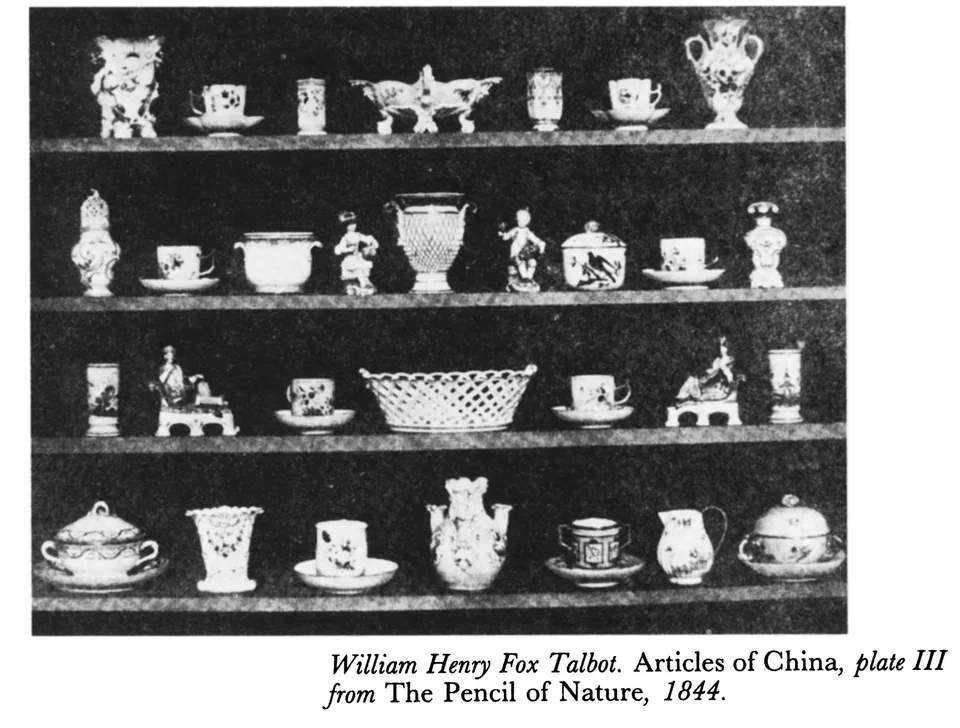
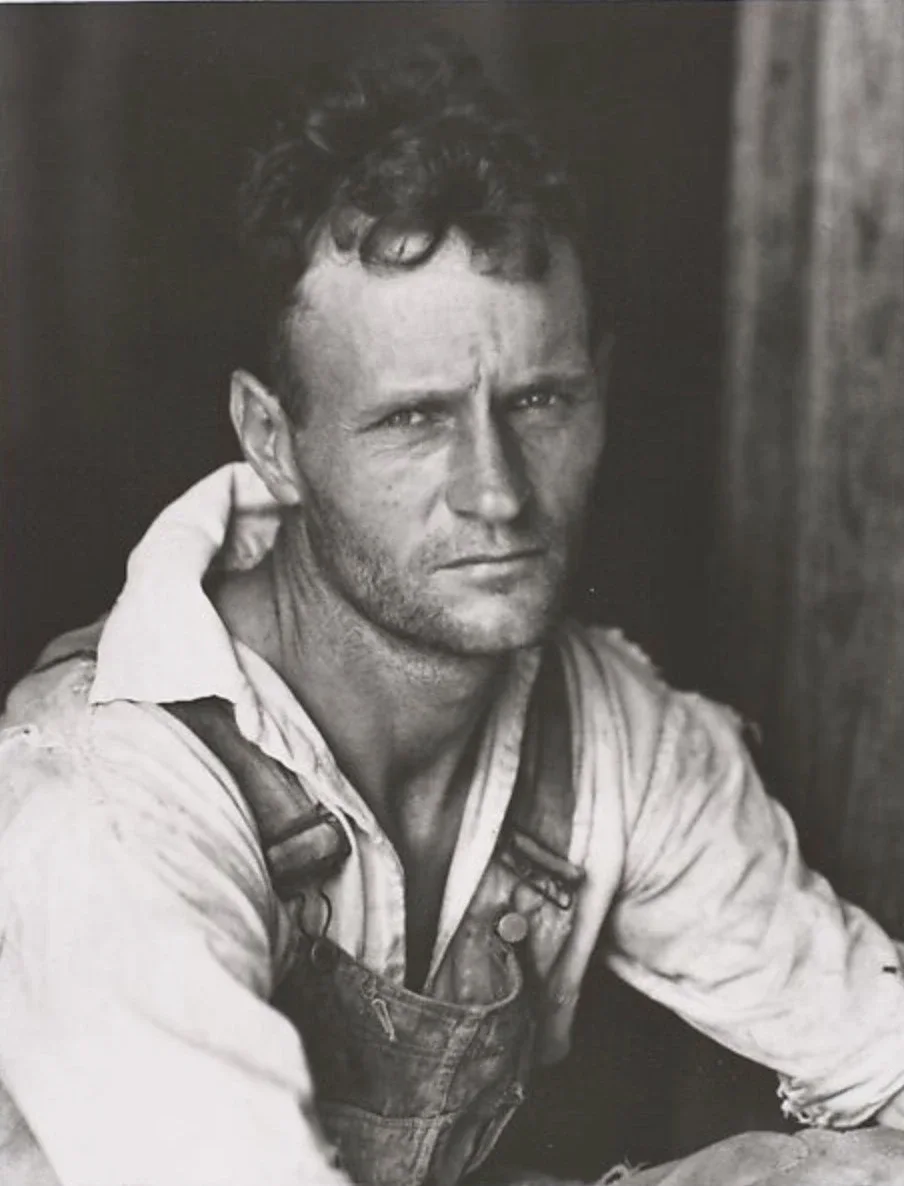
This lesson introduces the most widely accepted and used definition of the "photograph" in contemporary photography: the semiotic view of the photograph as an "index." On this basis, through case studies such as 1880s forensic photography, Colin Powell's 2003 presentation to the UN Security Council, and Steichen's exhibition The Family of Man, it analyzes the "indexical truth" produced by photographs, aiming to show that "documentary photography" is in fact a deeply problematic term, and that the "documentality" lurking behind it is precisely the site where what Foucault called the "politics of truth" operates—yet this does not mean that photographs can only be manipulated by institutions of power.
The Problem of "Representation" in the Photographic Practices of Stephen Shore and Allan Sekula
Lesson 06

This lesson discusses how two well-known photographers, Stephen Shore and Allan Sekula, use the photographic medium, highlighting what is distinctive in how they use the camera to represent reality. For Stephen Shore, photographing is a process of attention; for Sekula, photographing is part of political engagement. Both oppose the "decisive moment" theory represented by Cartier-Bresson—so how do they achieve this?
How Should Disaster and War Be Photographed?
Lesson 07

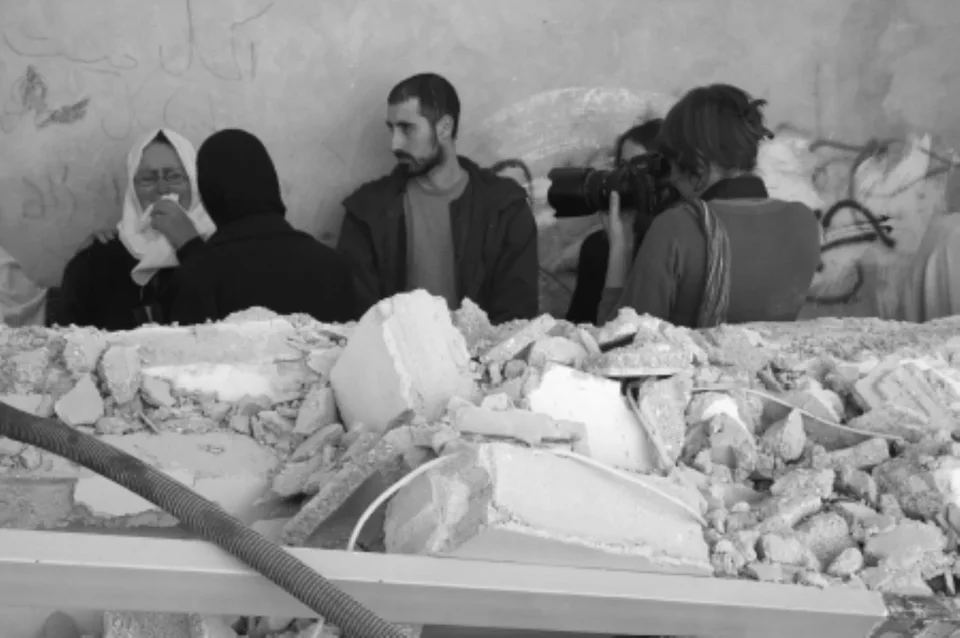
This lesson discusses the "forensic turn" in contemporary photography's representation of disaster. By introducing photographic practices such as Forensic Architecture, Guy Tillim, and Gilles Peress, and drawing on the claims of Susan Sontag, Abigail Solomon-Godeau, and others, it discusses the ethical problems that arise in representing disaster and the vulnerable.
Are Digital Photography and Selfies "False Images"?
Lesson 08
Starting from the popular philosopher Byung-Chul Han's critique of digital photography and selfies, this lesson reveals the selfie's nature as "performative indexicality" and the desire behind it to build collective subjectivity and social connection through self-display. The lesson also discusses the differences and continuities between digital and analog photography, argues against the view that digital photography is purely a "false image," and explains why overemphasizing the rupture between analog and digital is unhelpful to our discussion of "photography."