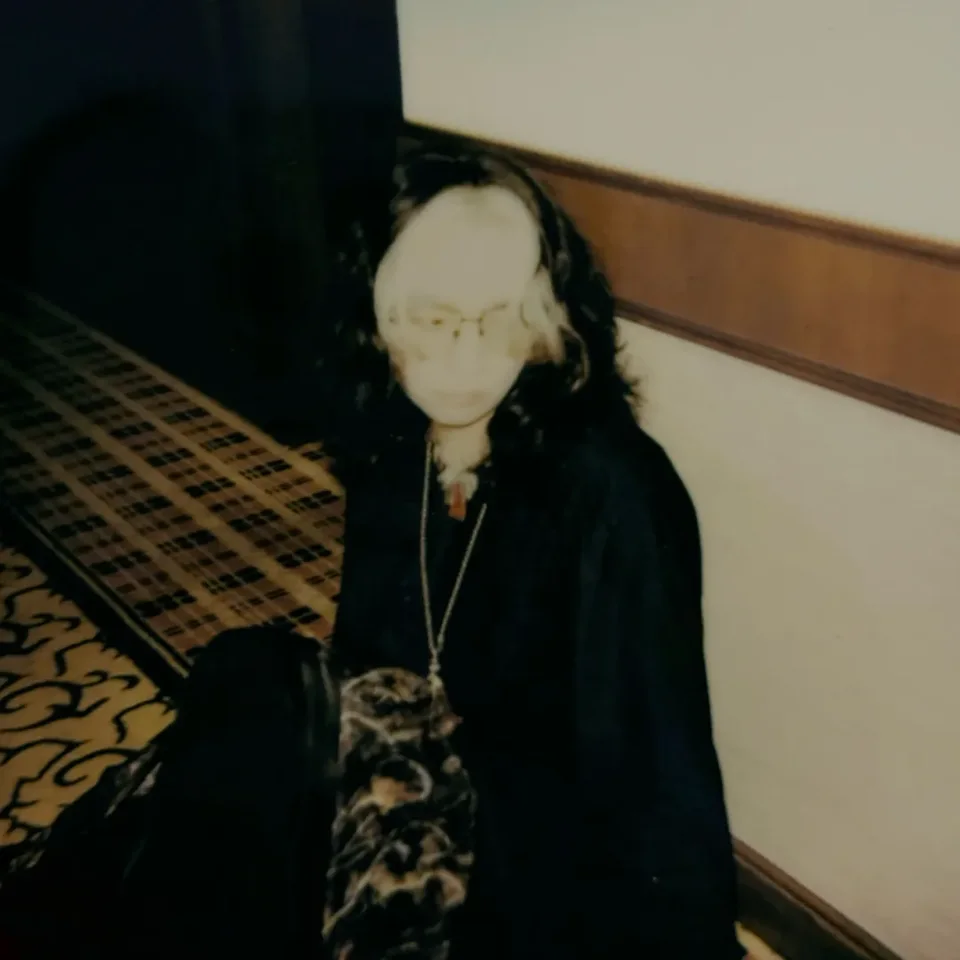
The Civil Contract of Photography
Lesson 01

Beginning with Baudelaire, theorists have subjected photography to all kinds of critique and attack. This lesson begins with the critique of photography as an instrument of power in the history of photography theory and argues, conversely, that photography need not serve only as an agent of power—it can also empower others. Through this process of re-critique, we come to recognize how the experience of photography can provide a sensible principle for social reorganization. Awareness of this possibility of empowerment is one of the most important achievements of Western photography theory in the twenty-first century.
The Family Album as Art: Materiality and Memory
Lesson 02
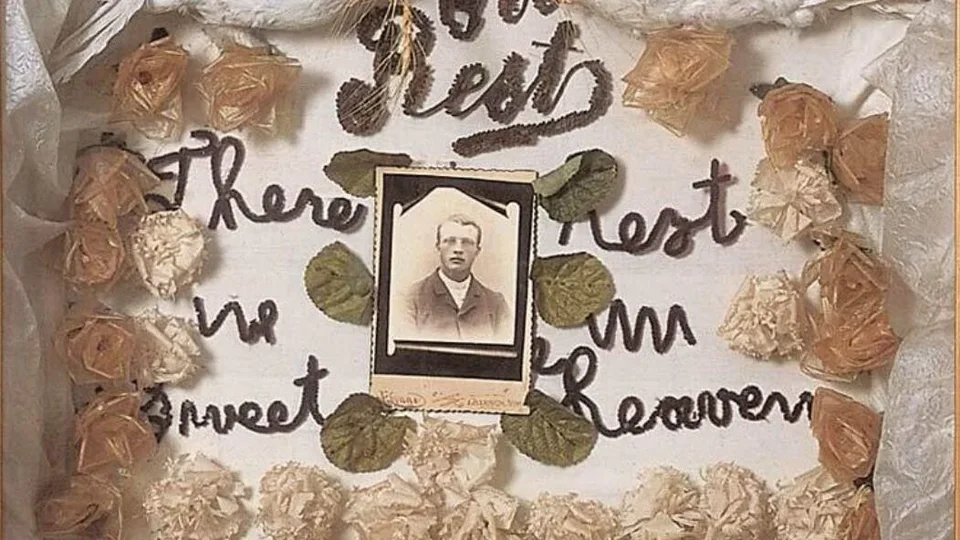
By exploring historical examples of family albums, together with the family photography currently popular in photography awards (such as Wei Wu's A Fragrant Life), this lesson on the one hand explains the unreliability and generative nature of the album as a carrier of memory, and on the other takes apart the constitution of the family album as a work of art, in order to discuss the relationships among photography and death, memory, and matter.
Photography for the Museum, Photography in the Museum
Lesson 03
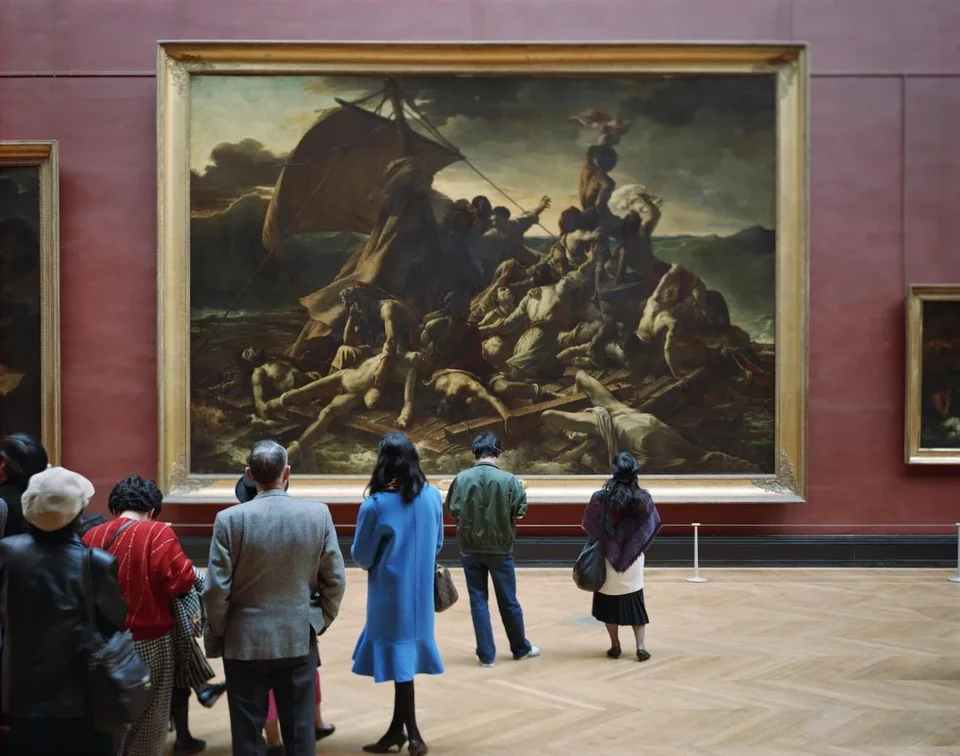
Through the photographic practices of Thomas Struth, Thomas Ruff, and others, this lesson focuses on the changes that the entry of photographic works into the museum's white cube has brought to photographic practice and to looking. Drawing on the theoretical resources of Michael Fried and others, we analyze the relationship between art photography and the museum institution in terms of the ethics of absorptive viewing and theatricality since Diderot, and further reveal the pedagogical function of this museum institution itself in today's society.
Vanishing Photographs, AI, and Nonhuman Photography
Lesson 04
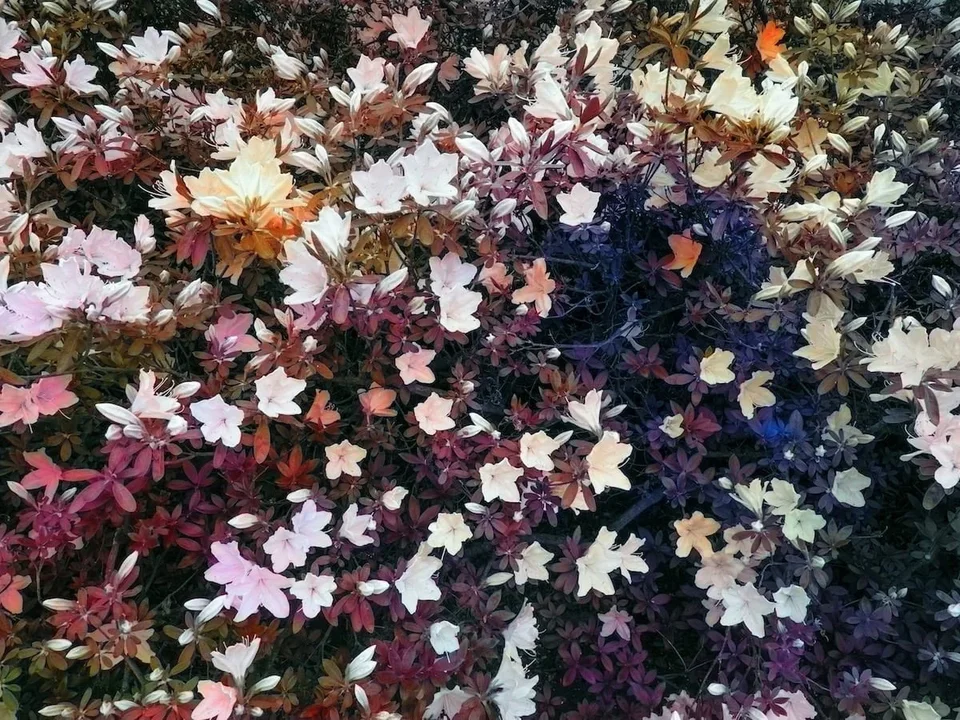
This lesson discusses technical images since the beginning of the digital photography era, including aerial photography, map street views, and the currently popular AI photography. Through studying these images (such as Chuanduan Chen's AI photography works like The World in the Belly of the Giant Serpent), we discuss the operative relationship between photographic images and humans formed by way of technology, and thereby reveal photography's fundamentally nonhuman nature.
The Temporality of Photography: From Husserl to Derrida
Lesson 05
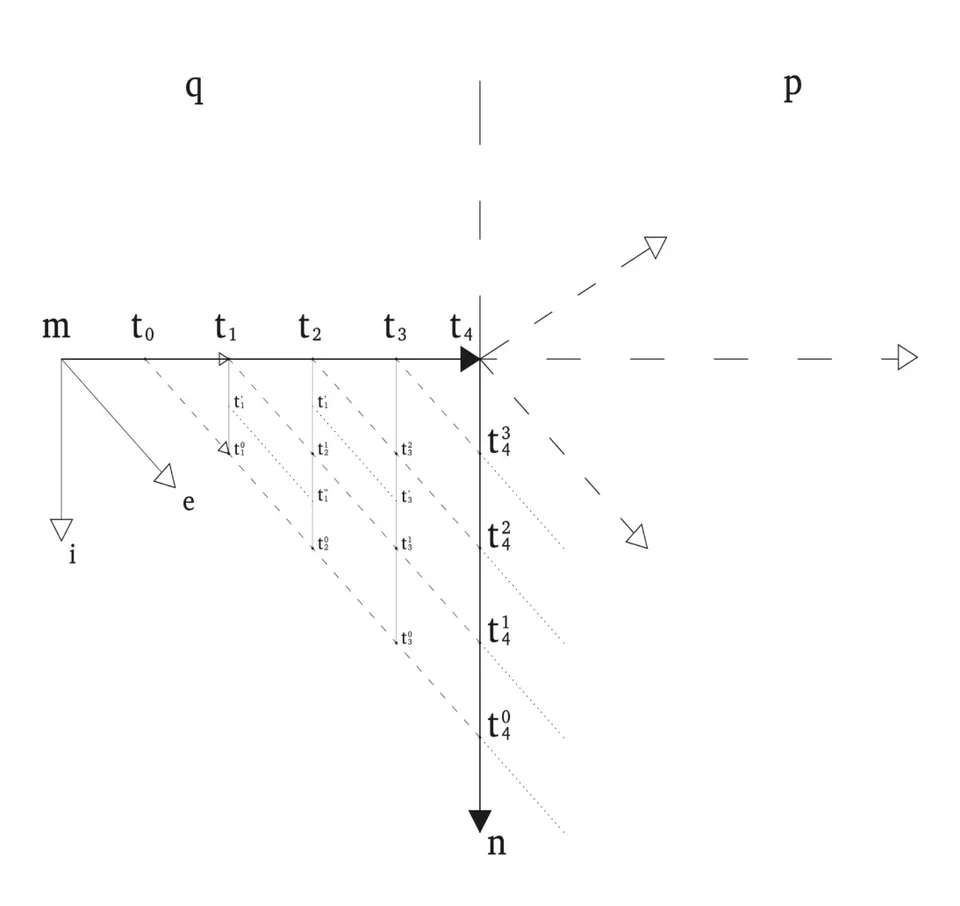
This lesson discusses the concept of "time" in photographs. The first thing to dispel is the view that a photograph is an instant extracted or frozen from linear time. After showing the paradoxes and shortcomings of this received view, we will discuss two levels—time "in" the photograph and the time "of" the photograph—that is, by examining the temporal order between the photograph's surface layer and its representational layer, we explain the temporal and spatial oscillation that exists within it.