
Jeff Wall: Pioneering a Labor Model of Figural Photography
Lesson 01
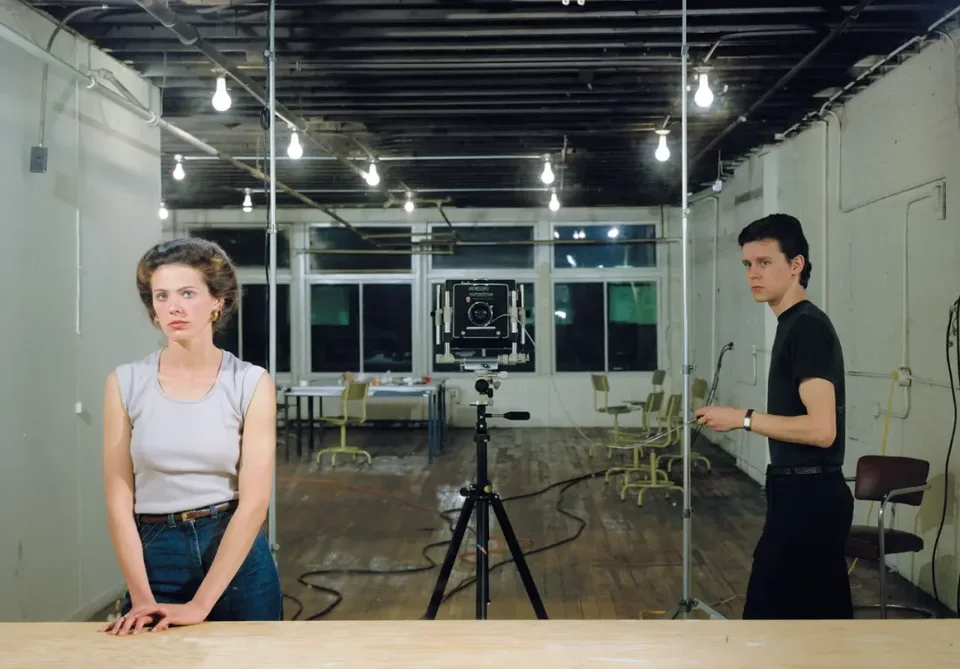
"Labour" is our key word for approaching Jeff Wall. Jeff Wall can be said to hold the highest artistic standing of any contemporary photographer. But could merely appropriating paintings from art history, merely constructing forms, be enough to sustain his practice at such a level? Of course not. In earlier courses we explained Wall's photographs in terms of "absorption," but that is not enough to explain why his practice matters so much as to hold its current place in art history. I will use the term "figural photography" to describe Jeff Wall's practice and place it within the realm of the production and reproduction of labor relations, attempting to reveal that Wall's turn to staged photography and cinematic photography is rooted in his effort to restore the "bodily sense" of artistic creation that conceptual-art photography had stripped away, and, through restoring this bodily sense, to establish an entirely different model of photographic labor. After him, this model has become the mainstream of contemporary photographic production. We will explain the constitution of this new labor model, as well as its counterpart, another mode of creation—nonfigural photography.
From Repetition to Typology: Visualizing Social Abstraction
Lesson 02
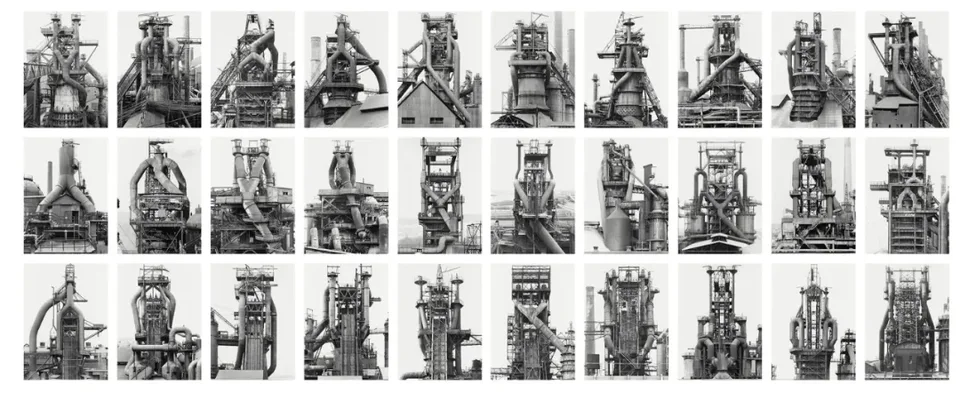
The Bechers placed water towers, gas holders, and industrial buildings under similar viewpoints and lighting, then through juxtaposition transformed individual objects into types that could be compared.
Repetition does not eliminate difference; rather, it makes visible variations in form that would otherwise be hard to notice. Starting from the methods of shooting and arranging typologies, this lesson discusses how industrial buildings become visible forms of social abstraction in photographs, and why photography's objectivity depends at the same time on selection, classification, and display.
Saturated Intention and the Uncanny: Spatial Abstraction in Thomas Demand's Photography
Lesson 03
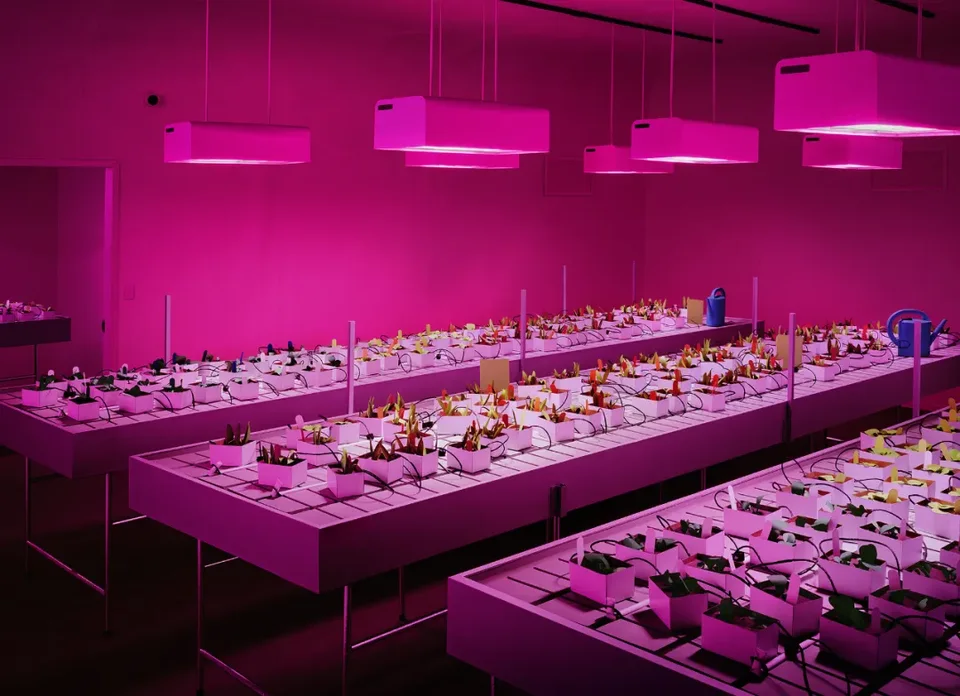
Thomas Demand builds paper models based on existing images, photographs them, and then destroys the models.
Seemingly familiar offices, control rooms, and interiors thus lose the traces left by everyday use; they embody intention everywhere, yet make it hard for viewers to find a stable acting subject. Centering on models, empty spaces, and the uncanny, this lesson discusses how these reconstructed scenes transform specific events into spatial abstraction, and why the details in the photographs evoke familiarity and estrangement at once.
Face, Identity, and Archive: Thomas Ruff's Portrait Photographs
Lesson 04
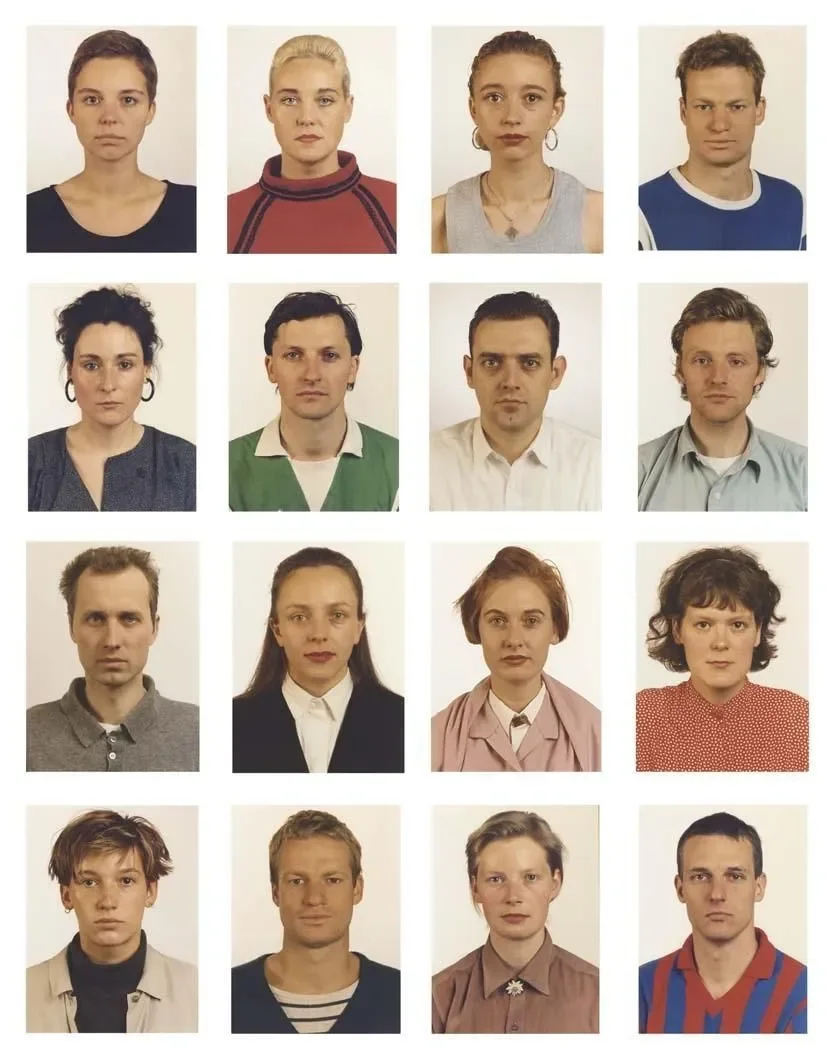
"Archive" is our key word for approaching Thomas Ruff. It should be pointed out first that Ruff's typological practice is fundamentally different from that of the Bechers—in fact, it goes in the opposite direction: the Bechers invoke the form of the archive, whereas Ruff interrogates the function of the archive. By examining Ruff's Portraits series, I will try to show why only by recognizing the archival nature of Ruff's photographs can we explain genetically how his portraits are constructed: Why use the passport format? Why use composite portraits? Why such meticulous staging? Why photograph the faces so sharply and vividly? "Photographic archives" as an entry point is the key to explaining the reasons for these forms and their effects.
The Female Body and Domestic Labor: Martha Rosler's Photomontage
Lesson 05
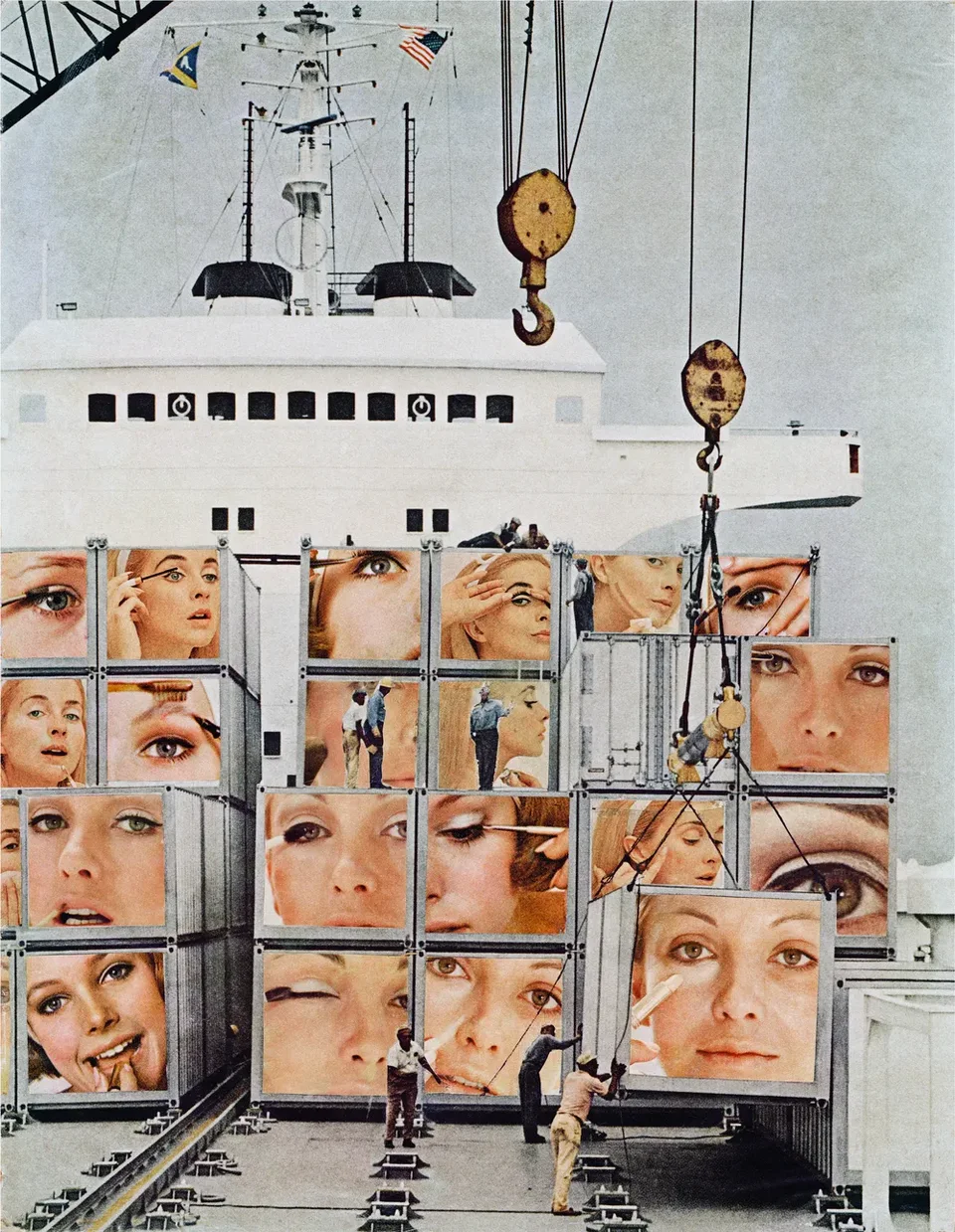
"Body" is our key word for approaching Martha Rosler. Martha Rosler is a typical case of an artist who is highly renowned abroad yet virtually unknown in China, and she is often mentioned in the same breath as Allan Sekula. Even setting aside the feminist lineage, Rosler's work still has great critical value. I try to seize on the technique of "photomontage" that Rosler uses to dismantle the process by which the female body is "produced" (especially "produced" through photography), and to further explain Rosler's exploration of the binary category of women's "body–identity": Why the female body? What does it mean for the female body to be placed in domestic space? How does this placement of the body affect the consciousness of "identity"?