Overview: How to Appreciate Art Photography?
Lesson 01

Faced with art photographs that seem ordinary or hard to understand, where should looking begin?
Taking phenomenological intuition and epoché as its entry point and drawing on works by Jeff Wall, Cindy Sherman, and others, this lesson distinguishes between what is visible in the picture, the judgments viewers bring to it, and the discursive and exhibition contexts in which the work is situated. The course thereby establishes a basic method for approaching art photography: attending to the picture itself while also examining the concrete conditions of shooting, production, and presentation, so as to understand why a work appears in the form it does.
What Is Lost Between the World and the Photograph?
Lesson 02

Why does the rich experience of facing a scene so often fail to come across in a photograph?
Starting from Heidegger's understanding of world and relations, this lesson discusses how framing severs an object's connections with its surroundings, and the changes that experiences of time, space, and action undergo in the photograph. Drawing on Szarkowski's frame, Baldessari's cropping, and Martha Rosler's practice, the course examines how photography forms meaning through selection and exclusion, and how images and words together respond to the limitations of the photograph.
How to Photograph the Everyday: Starting from Stephen Shore
Lesson 03

Why do Stephen Shore's photographs often seem plain, yet make the familiar everyday visible again?
Drawing on conversations with Shore, this lesson enters his way of working through the distinction between structure and composition, discussing attention, the intentionality of looking, and the mental level of the photograph. The course is concerned with how experience is organized in the process of shooting: how to notice the relationships within a scene, how to make form serve perception, and how learning a photographer's way of seeing differs from imitating his pictures.
Why Do Some Photographs Sell for So Much?
Lesson 04
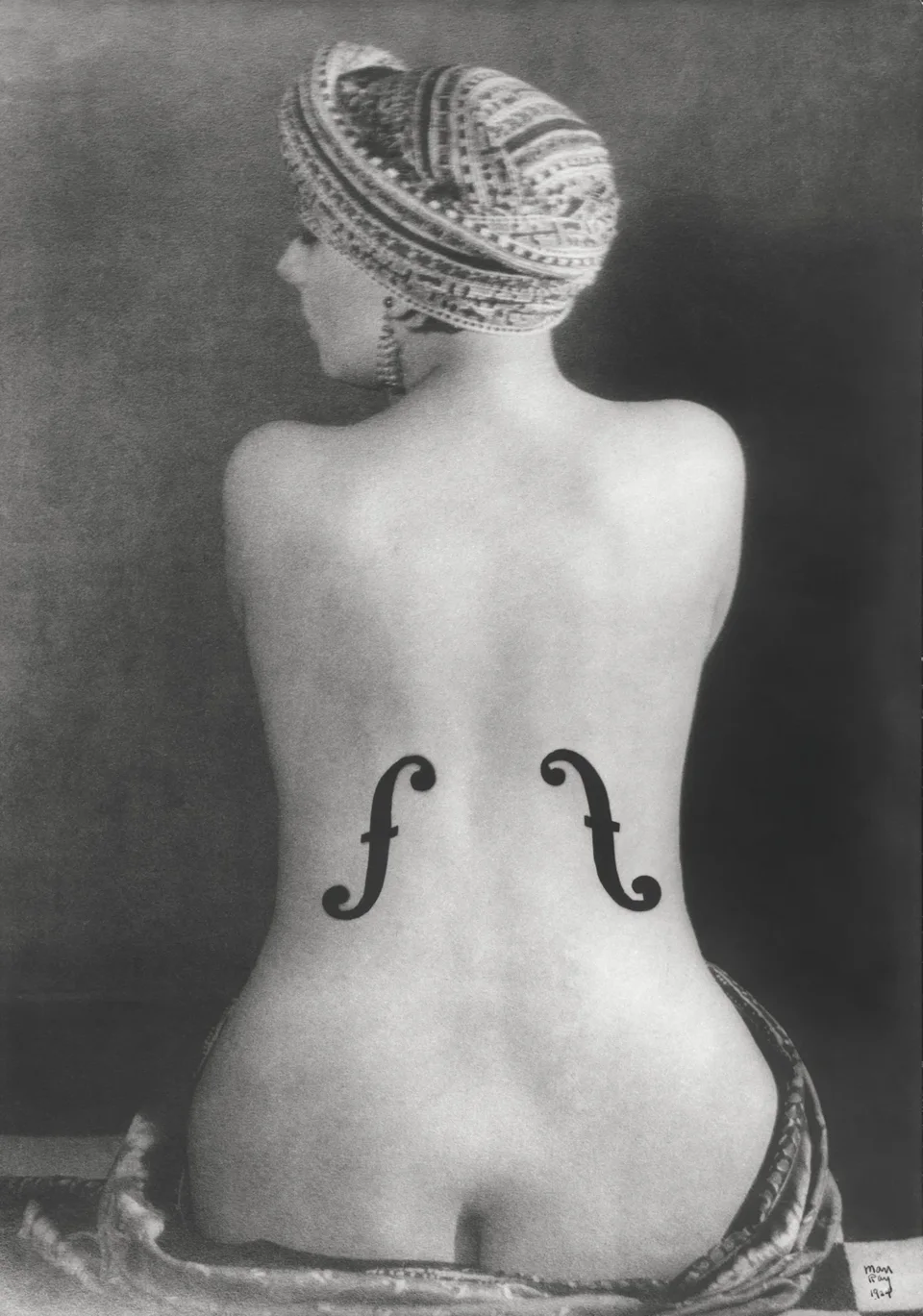
If the image of a photograph can be widely circulated, why does a particular print still command a special market price?
Beginning with the valuation of works and the power to set prices, this lesson examines how editions, provenance, exhibition history, certificates, and trading institutions take part in forming value. The course distinguishes different purposes of valuation and discusses the relationship between the identity of the work purchased on the market and the visible content of the image, in order to understand why price, artistic judgment, and social recognition cannot simply substitute for one another.
The Question of Scale in Photography: The Tableau Form
Lesson 05

What different kinds of looking are demanded by a photo on a phone, a small print, and a huge photograph in a gallery?
This lesson traces photography's move onto the wall and toward large-scale display, discussing how the body, distance, and attention change as the photograph goes from a carrier of images to an object with material presence. Through the works of Thomas Demand and others, the course explains the viewing conditions of the tableau form and examines the detail, sense of scene, and display effects that enlargement brings.
How Are AI Images Changing Photography?
Lesson 06
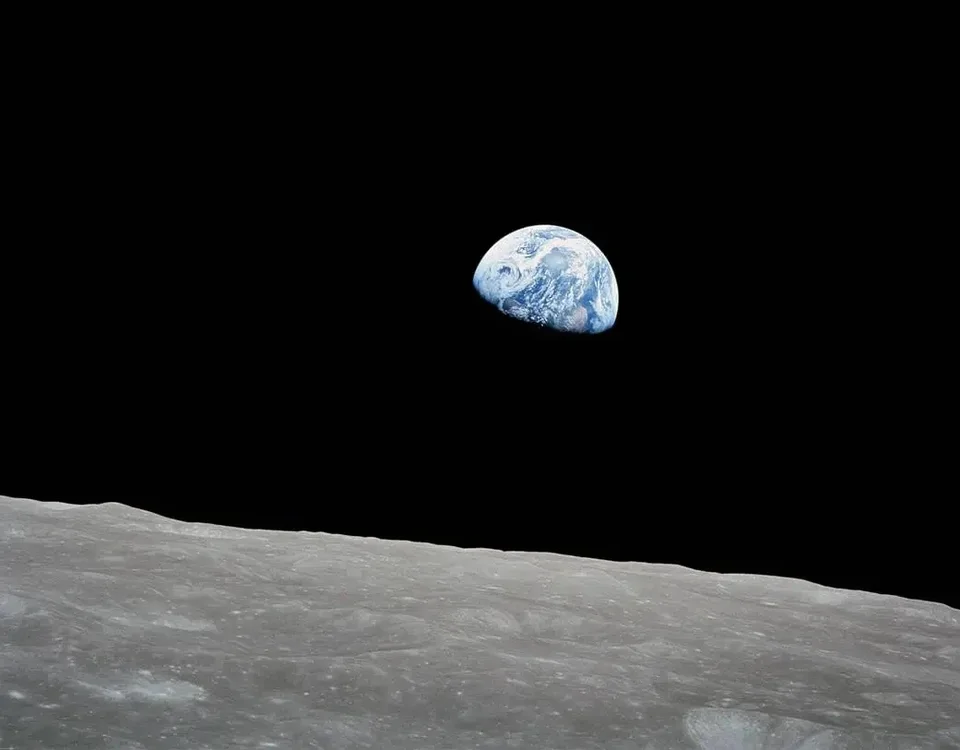
Why can the resemblance between AI-generated images and photographs evoke similar emotions, and yet not suffice to give the two the same truthfulness?
This lesson discusses photography's causal connection, the background knowledge on which looking depends, and how images take effect within a shared reality. Drawing on posthumanist theory and Anadol's generative art, the course further examines nonhuman seeing, multi-party collaboration in creation, and purposiveness, to understand what generative images have changed and which existing image mechanisms they continue.
Should "Old Masters" and "Sugar-Water Photos" Be Criticized?
Lesson 07
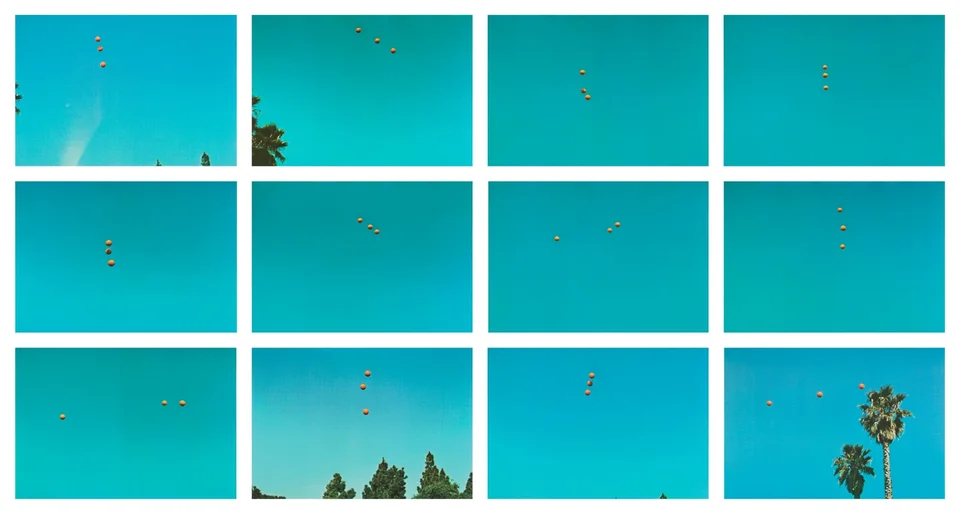
What aesthetic standards and social distinctions are contained in criticisms of saccharine "sugar-water photos"?
This lesson places photographing back within everyday social interaction, discussing how photographs, beyond expressing taste, take part in shared activities, mutual recognition, and lived experience. Bringing together questions of kitsch, semantic poverty, and the de-skilling of photography, the course examines why practices that seem simple, repetitive, or lacking in professionalism still deserve serious understanding, and how they enter the working methods of art.
How Do Taking Pictures and Photographs Change Memory?
Lesson 08
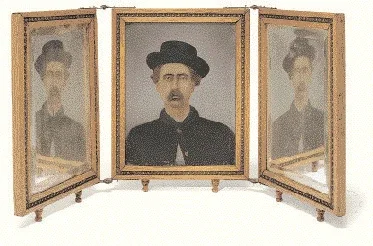
How do photographs take part in memory, and when do they replace it?
Drawing on the arguments of Barthes, Batchen, Kracauer, and others, this lesson distinguishes between the visible image preserved in a photograph and the ever-changing feelings and relationships in recollection. Through memorial portraits, hand-colored photographs, and the ways they are used, the course discusses the reconstructive nature of memory and examines, in personal remembrance and in collective history respectively, what photographs can preserve and what they may obscure.