Introduction: Photography Theory Since the 1970s
Lesson 01
This introduction presents how the nine basic methods on the map above analyze photography. Over these fifty years, the development of photography theory has methodologically changed the basic premises of photography studies. As photographs have further become the medium of life itself, the task of photography theory has correspondingly shifted from interpreting the pictorial content of photographs to understanding how photographs take effect within society, history, and technology. By outlining the nine main methods that have gradually formed in photography theory over the past half century, along with their representative figures and ideas, this lesson considers what distinct paths photography theory has contributed to our understanding of photography today.
Theoretical Foundations: Power, Knowledge, and Structure
Lesson 02
Why does photography theory so often draw on concepts from Foucault, Althusser, and structuralism?
This lesson lays out the theoretical background needed for the later lessons, focusing on how power and knowledge together determine what can be seen, classified, and taken as evidence. From the power model to critical deconstruction and post-critical theory, the course compares the premises these methods share and the points on which they diverge, helping readers understand where the questions in theoretical works come from and how to bring abstract concepts back to concrete photographic practice.
How Photography Became an Instrument of Power: Photography and the Social Power Model
Lesson 03
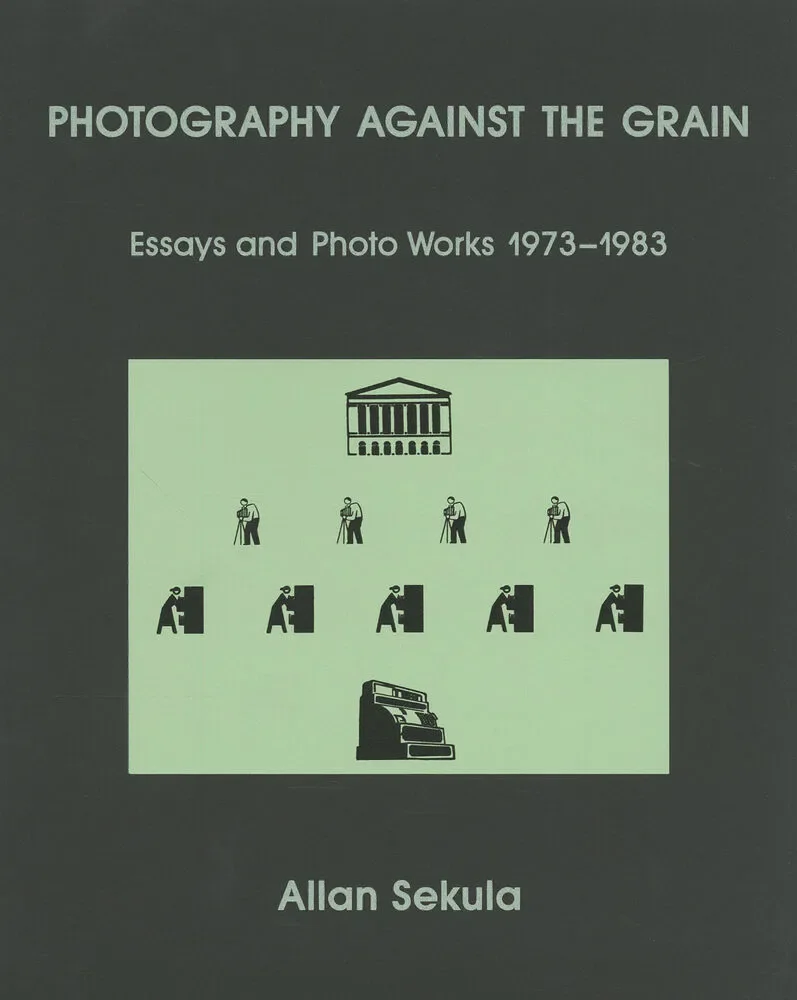
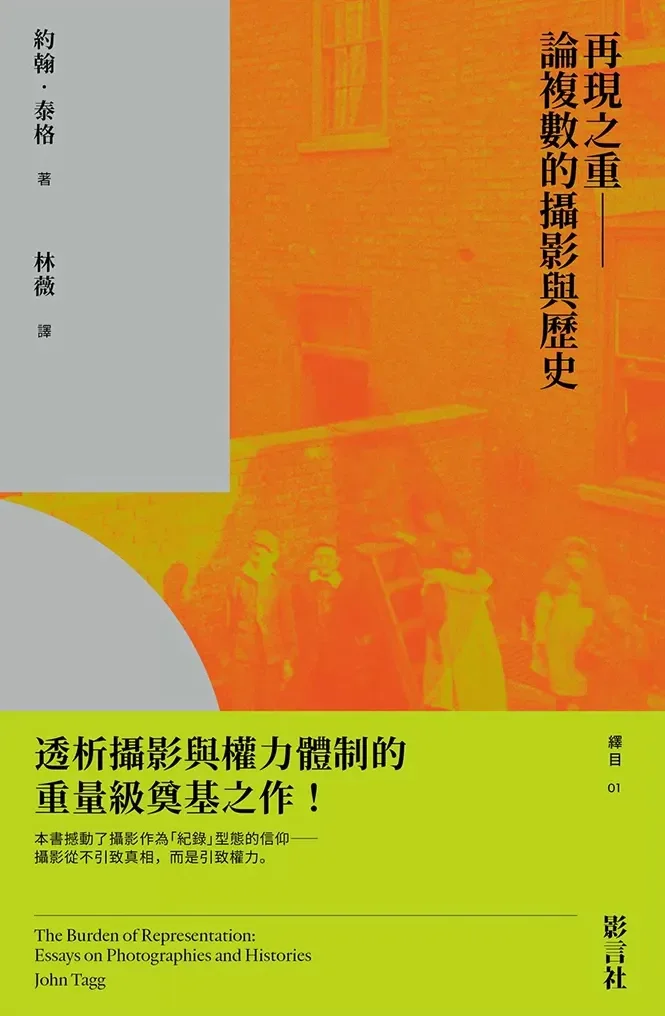
As the earliest wave of literature after the 1970s to challenge modernist and positivist beliefs, the work of John Tagg (major work: The Burden of Representation, available in Chinese translation), Allan Sekula, and others drew anew on the ideas of Michel Foucault, Louis Althusser, and others. They argued that photography is bound up with oppression not because some photographs depict violence or injustice, nor because photography is inherently oppressive, but because the production, classification, circulation, and use of photographic images are embedded from the outset in the workings of the state, capital, and institutions. This lesson introduces the basic views and premises of this model of photography and power, namely that photography as a social practice is understood as a technology of governance rather than a means of individual aesthetic expression.
Photography as Language: Critical Deconstructionism
Lesson 04
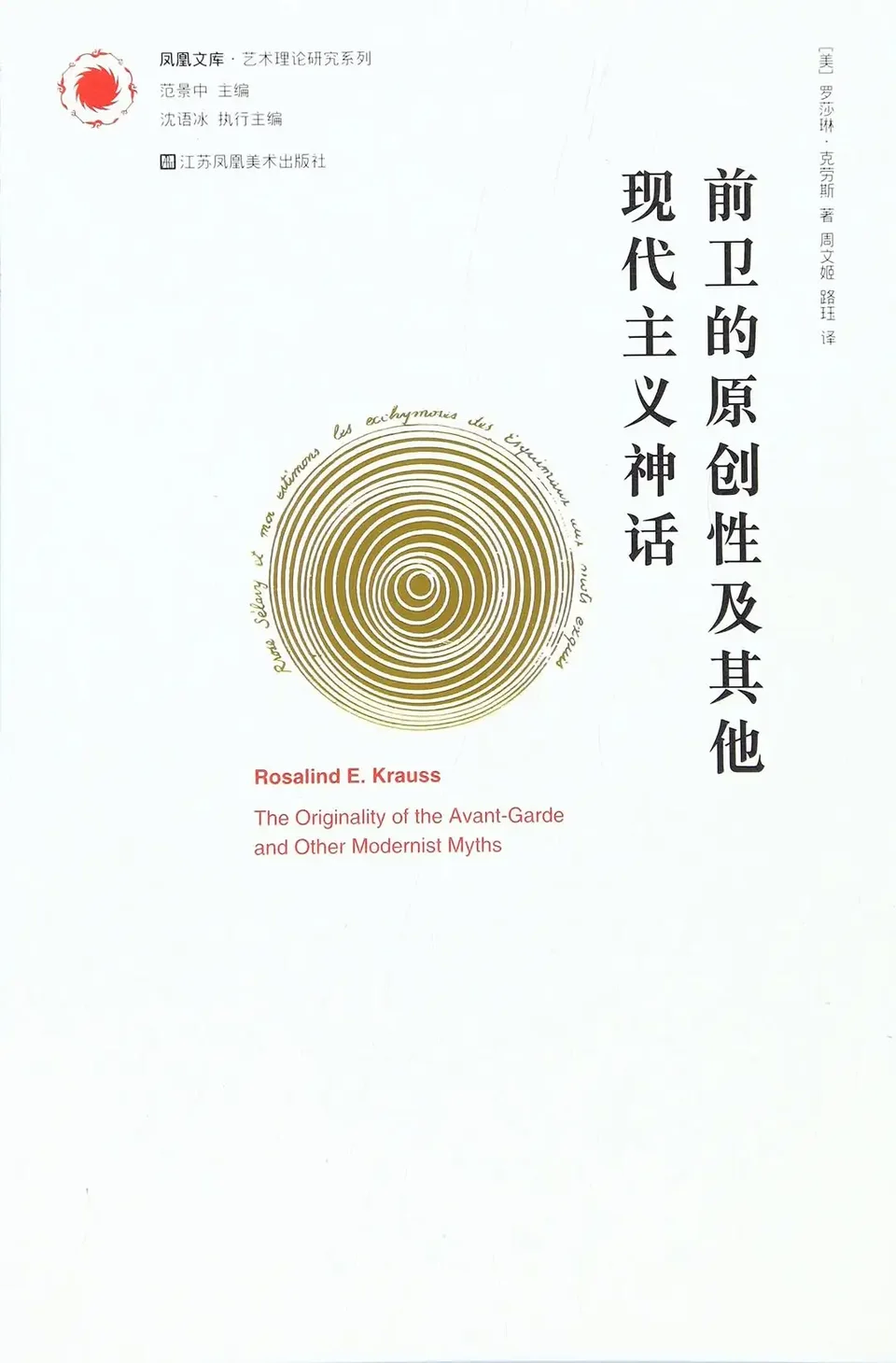
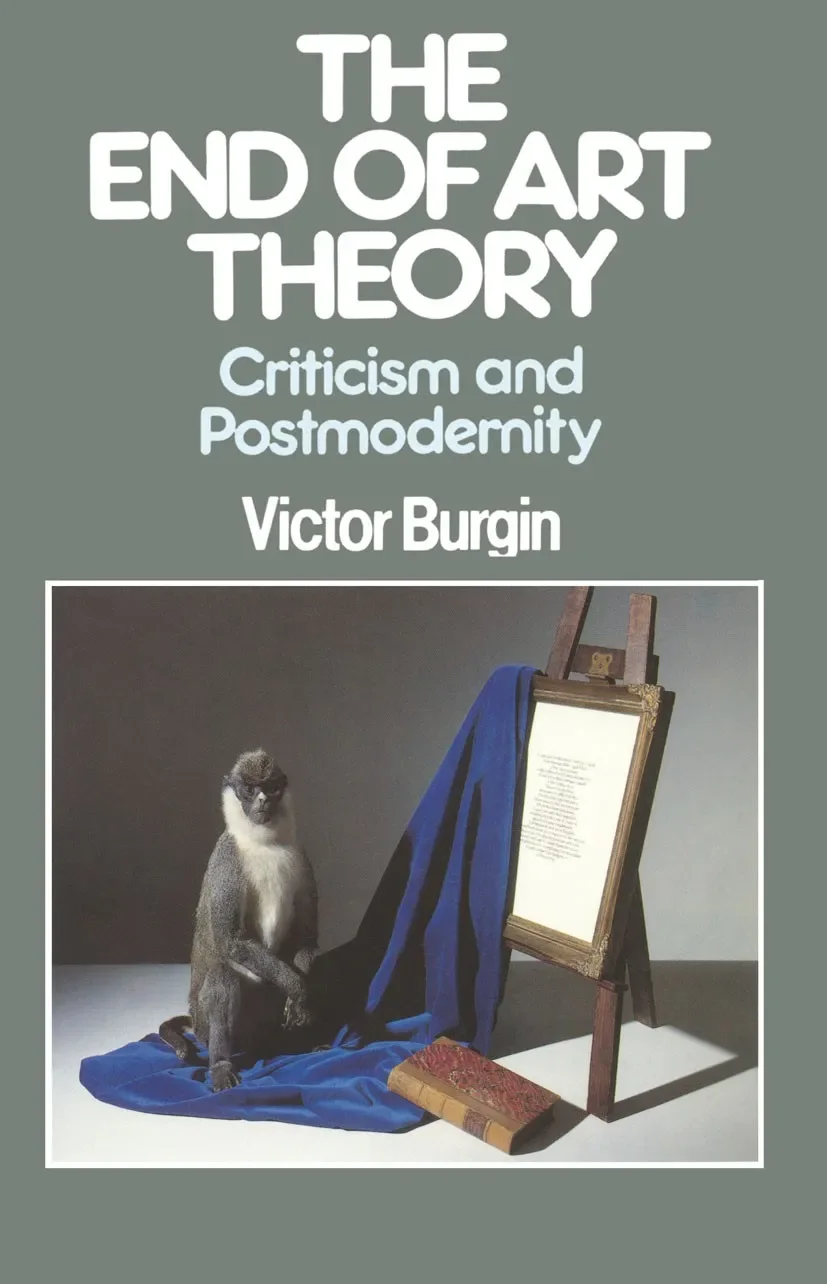
Rosalind Krauss's critique of photography is very important both for her own academic career and for the development of art-historical critical methods as a whole (major work: The Originality of the Avant-Garde and Other Modernist Myths, available in Chinese translation); she is also deeply connected with the next lesson. This lesson focuses on the earliest line within critical deconstructionism to take on photography: continuing the theoretical legacy of twentieth-century structuralism and post-structuralism, it treats photography as a language. Krauss's examination of Eugène Atget and Victor Burgin's critique of Stieglitz both seek to reveal the paradoxes of the various natural assumptions behind images.
How Did Photography Become a Middle-Brow Art?
Lesson 05
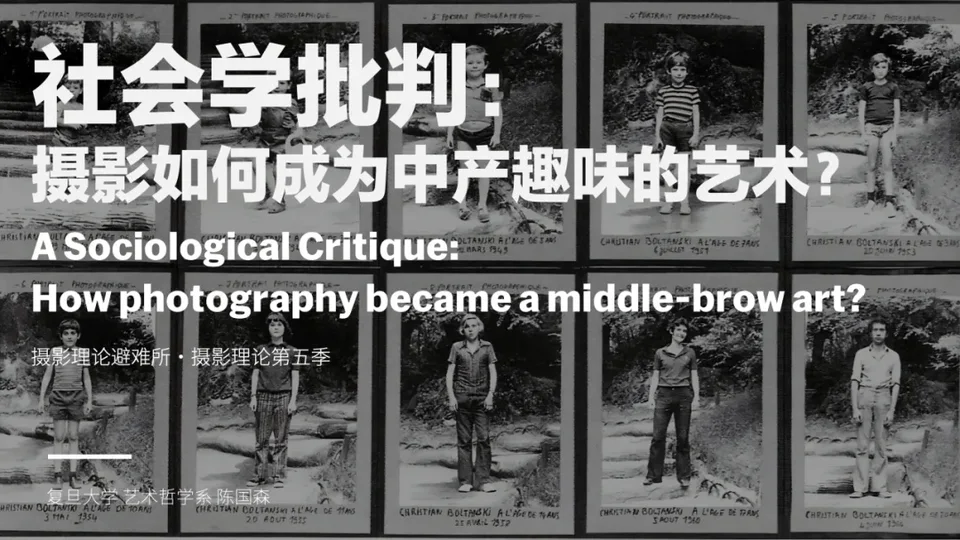
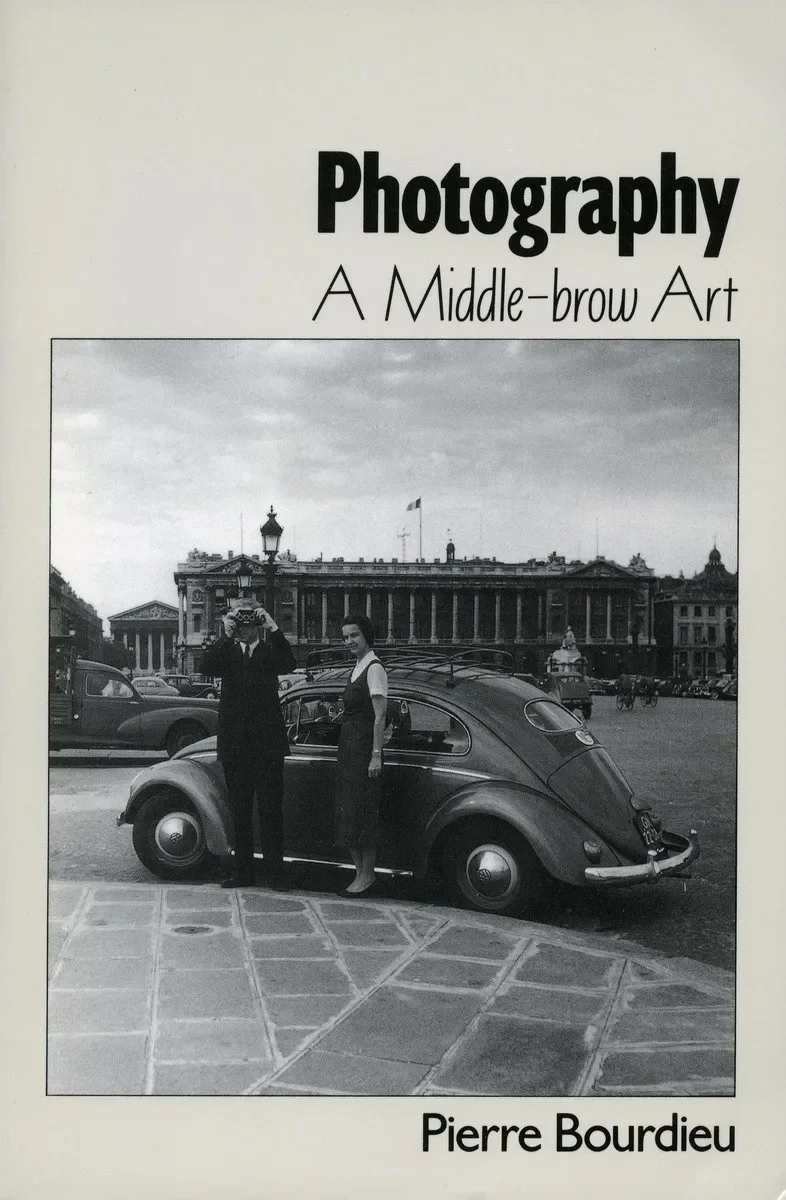
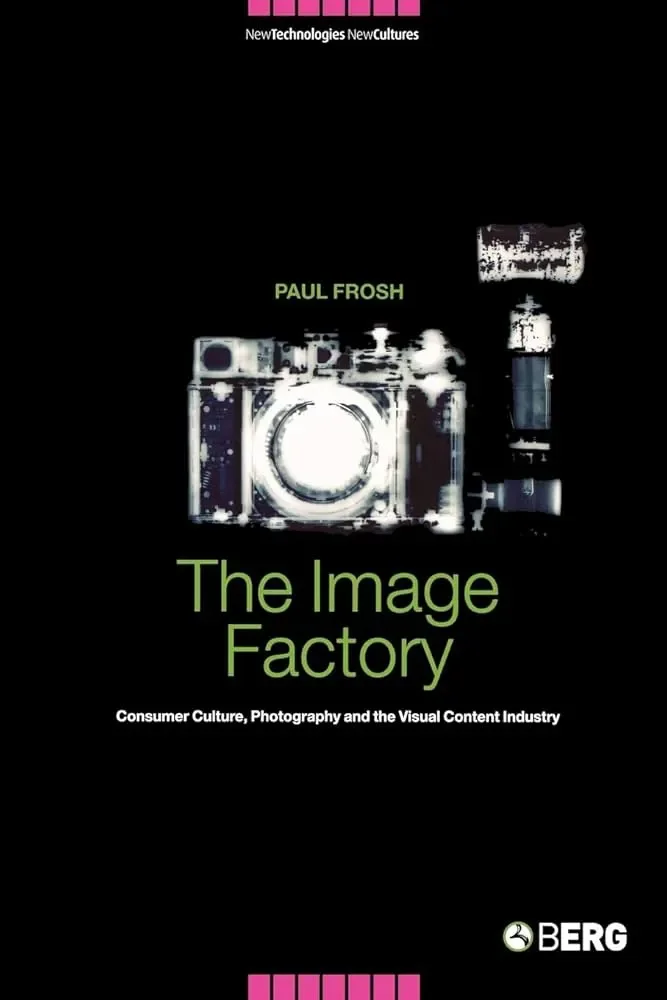
Bourdieu can in fact be counted among classic critics as renowned as Barthes and Benjamin. This lesson introduces what Bourdieu meant by "photography as a middle-brow art." In France in the 1960s and 1970s, photography had already become a widespread leisure activity, and for Bourdieu this was because it could offer a safe, respectable, controllable means of creation without challenging the cultural order—hence a "middle-brow" art. Following the line of how the everyday logic of photographic practice is internalized by a safe social structure, we will also touch on the latest developments in the sociological critical approach, such as Howard Becker and Paul Frosh.
Desire and History: Liberal Historicism
Lesson 06
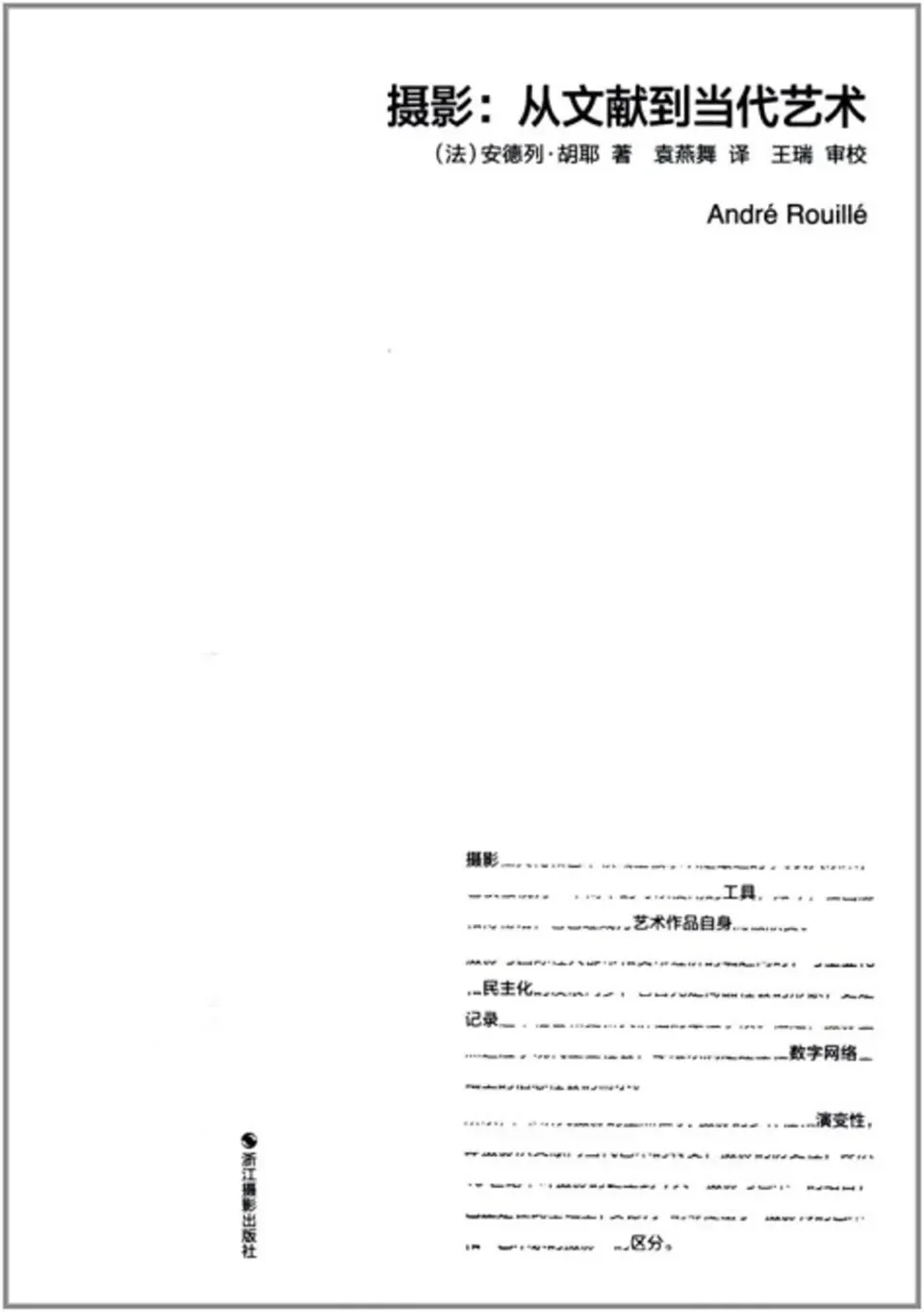
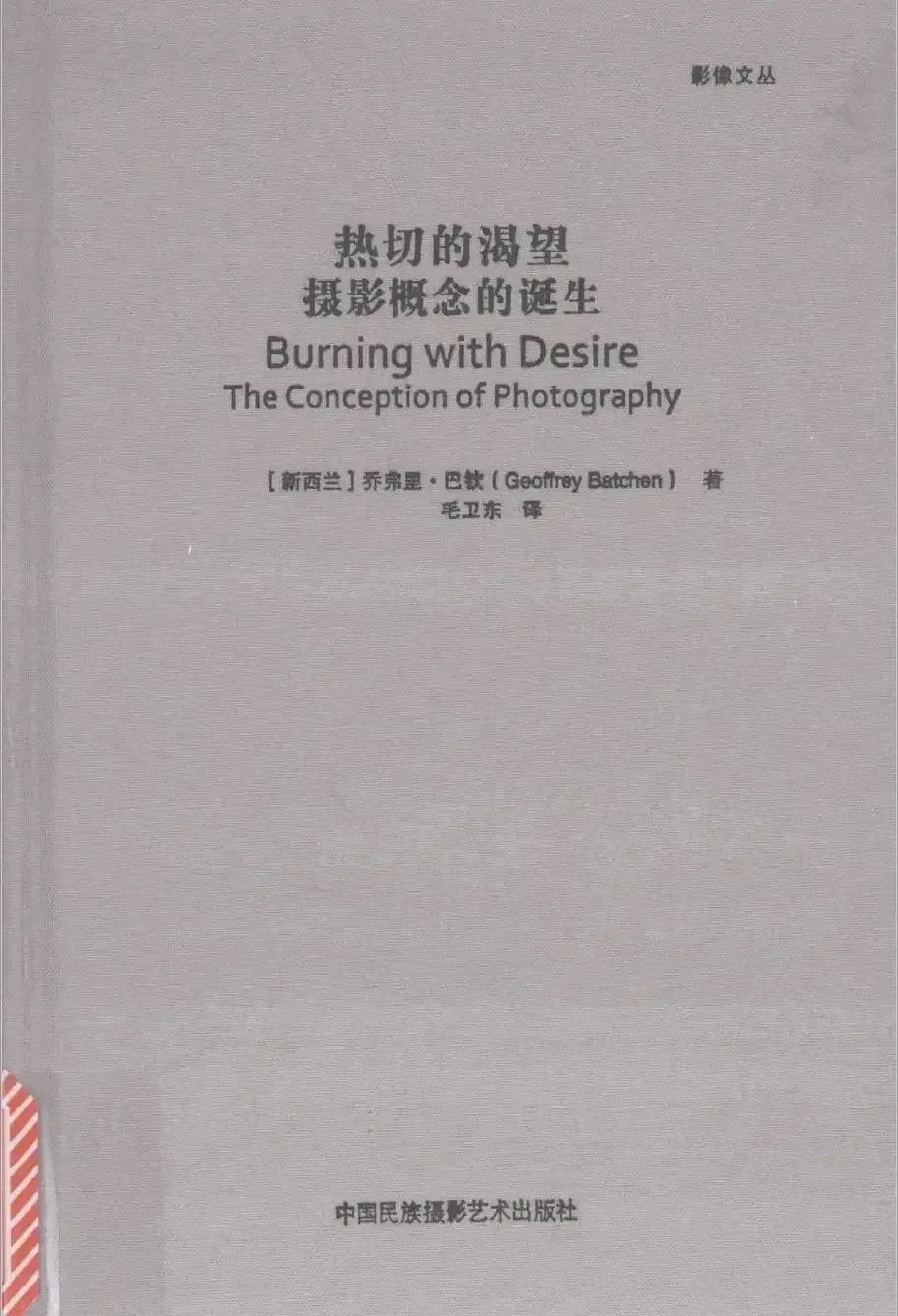
The liberal historicist approach is heavily influenced by French thought, and its representative figures are mostly French scholars, such as André Rouillé and Clément Chéroux. Rouillé's La Photographie: Entre document et art contemporain is available in Chinese translation. Beyond this, the lesson focuses on Geoffrey Batchen's new examination of photography's origins in Burning with Desire: The Conception of Photography, as an example of a refined liberal historicist method. Liberal historicism does not tend toward radical critique of photography, focusing instead on the recovery of historical sources and on the marginal and the diverse within history as it unfolds. Accordingly, Batchen questions the positivist belief about the origin of photography, treating it as an assemblage of cultural wishes and desires.
Techno-Media Ontology and Nonhuman Photography
Lesson 07
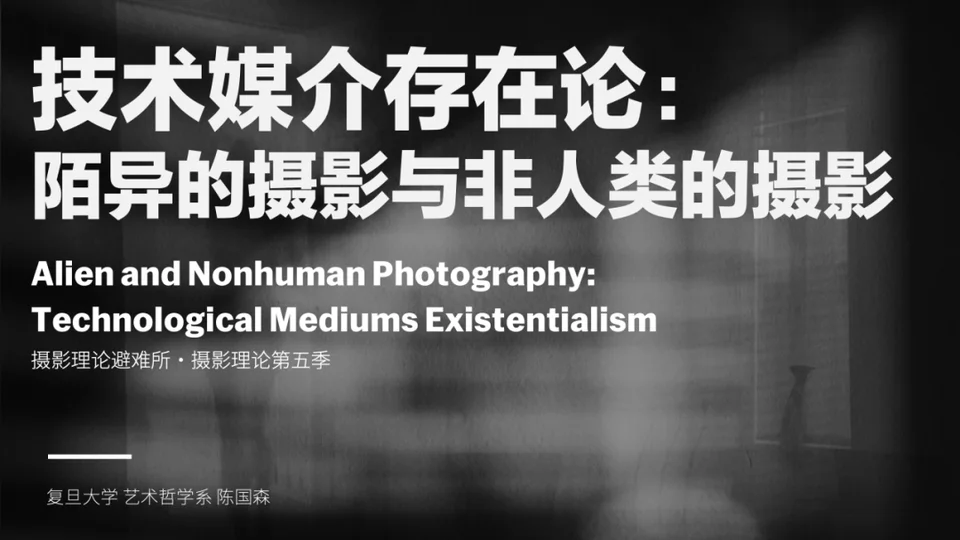
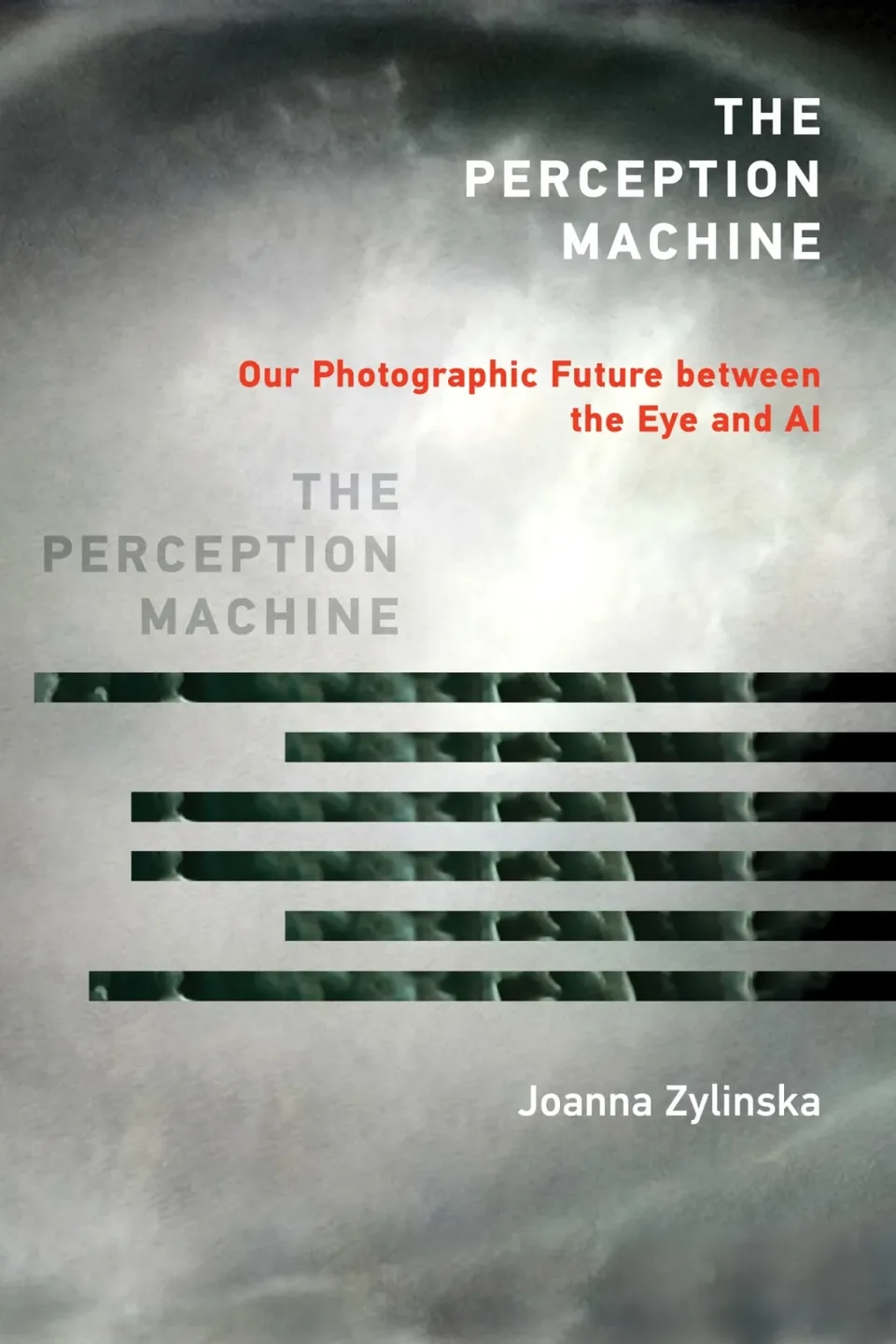
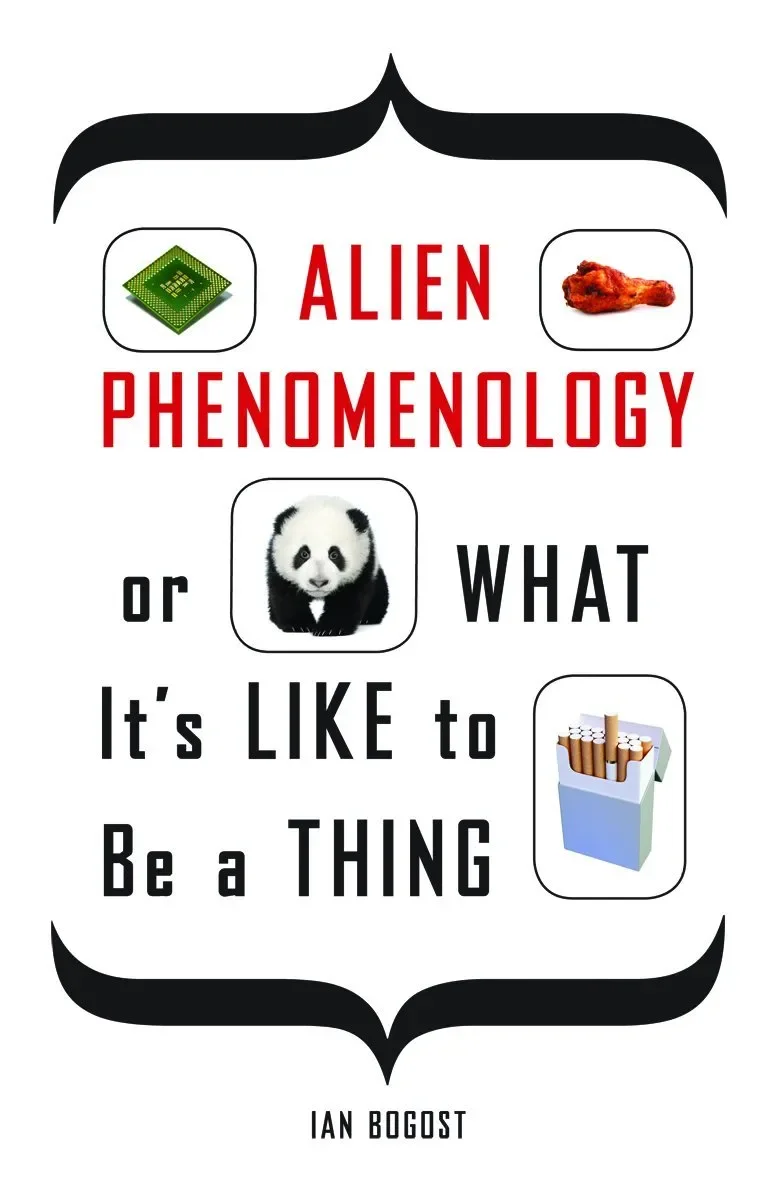
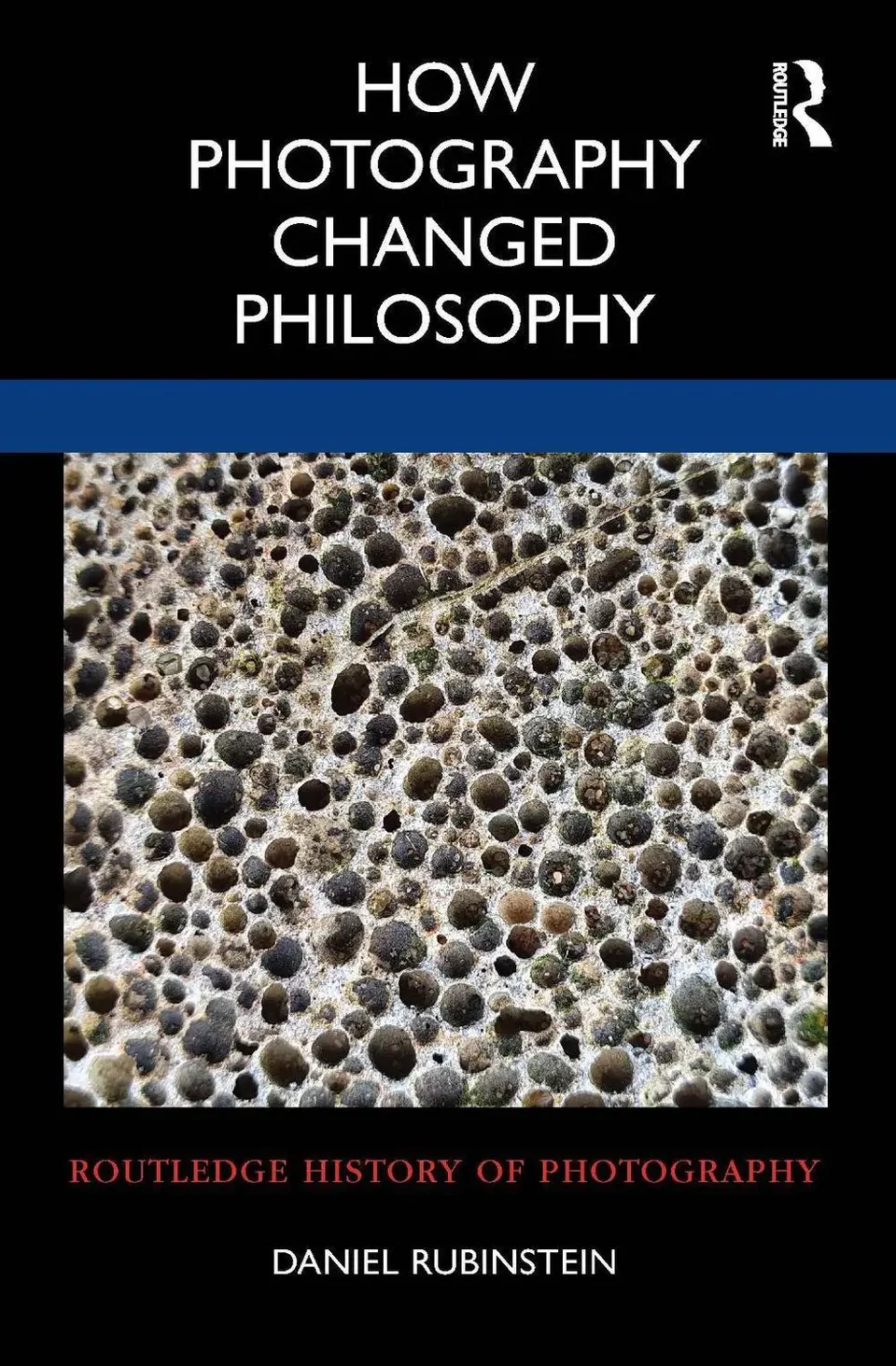
This lesson first introduces Ian Bogost's highly influential writings on photography in international scholarship. Against the background of his "alien phenomenology," speculative realism, and "object-oriented ontology" (OOO), Bogost treats photography as a medium that can reveal "ontography." Flusser (Into the Universe of Technical Images is available in Chinese translation) can be counted as a pioneer of techno-media ontology, but not a central figure of this method. Overall, the techno-media ontological method both overlaps with and differs from posthumanism. This method gradually breaks away from anthropocentric approaches, treating photography primarily as a generative technical practice and further examining how this technical practice changes the existing boundaries of our subjectivity. Zylinska and others, combining feminist awareness, try to explain why photography is fundamentally nonhuman and fluid; Rubinstein, by contrast, opposes the Cartesian centrism inherent in the Enlightenment perspective and explores photography's generative role with respect to the world.
Post-Critical Theory: Photography and Possible Futures
Lesson 08

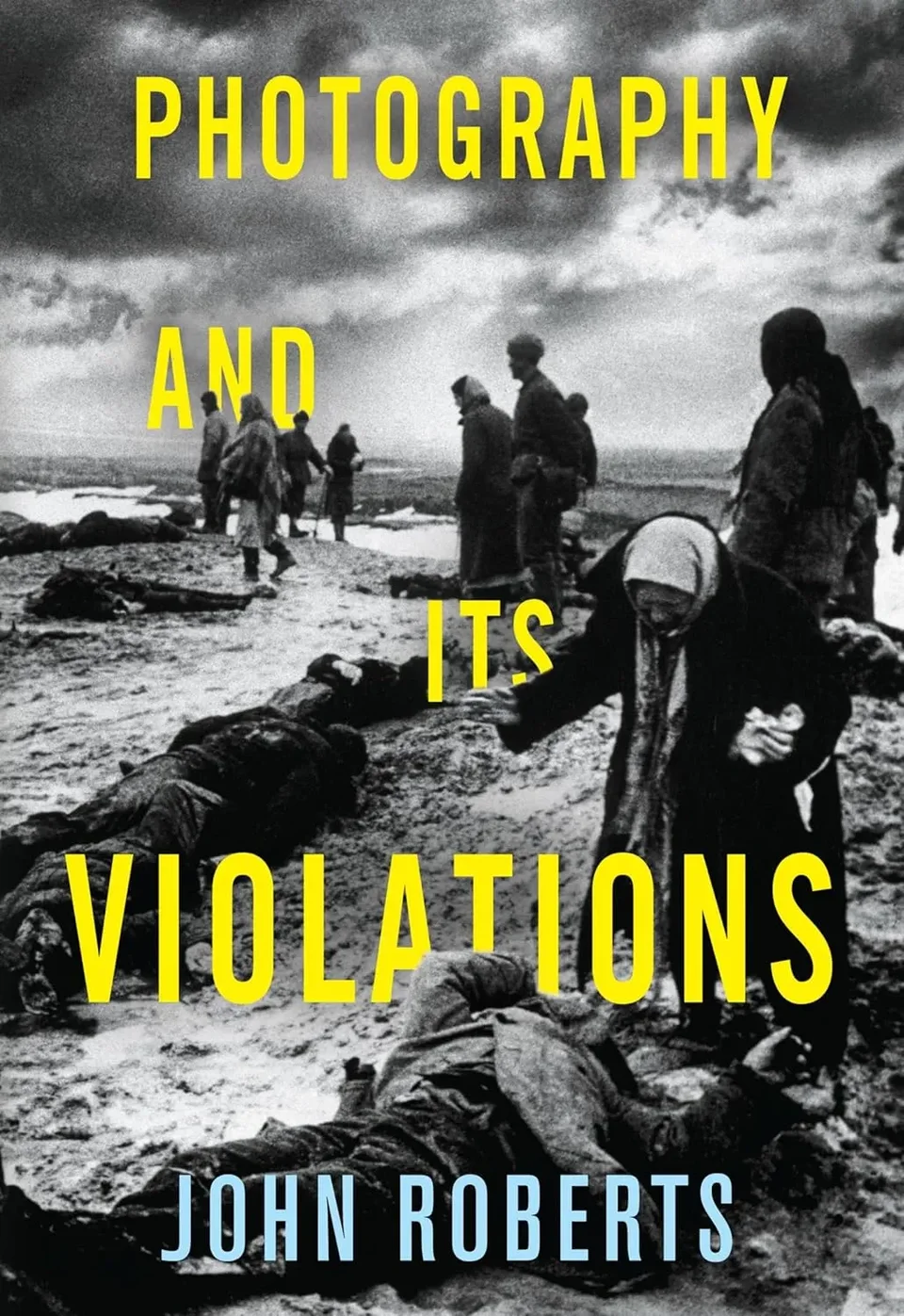
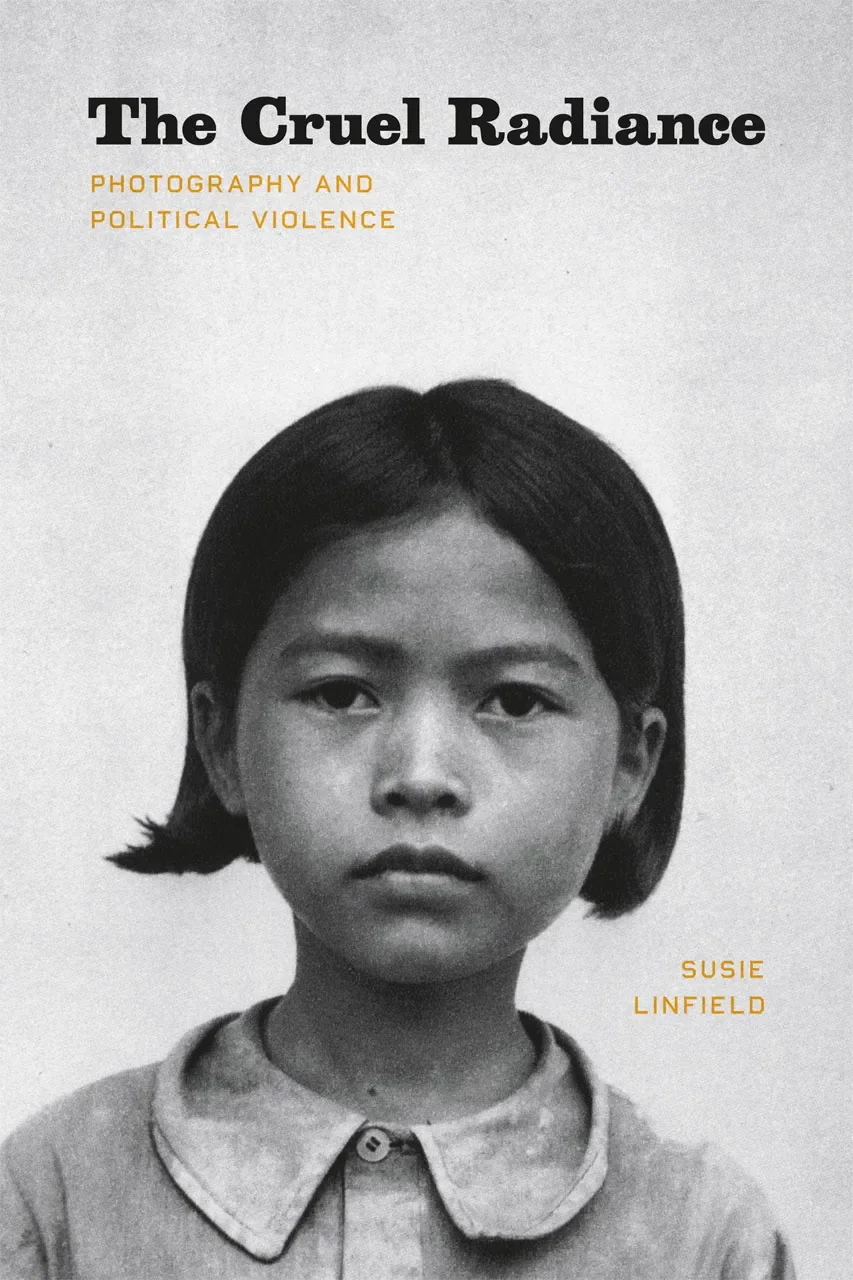
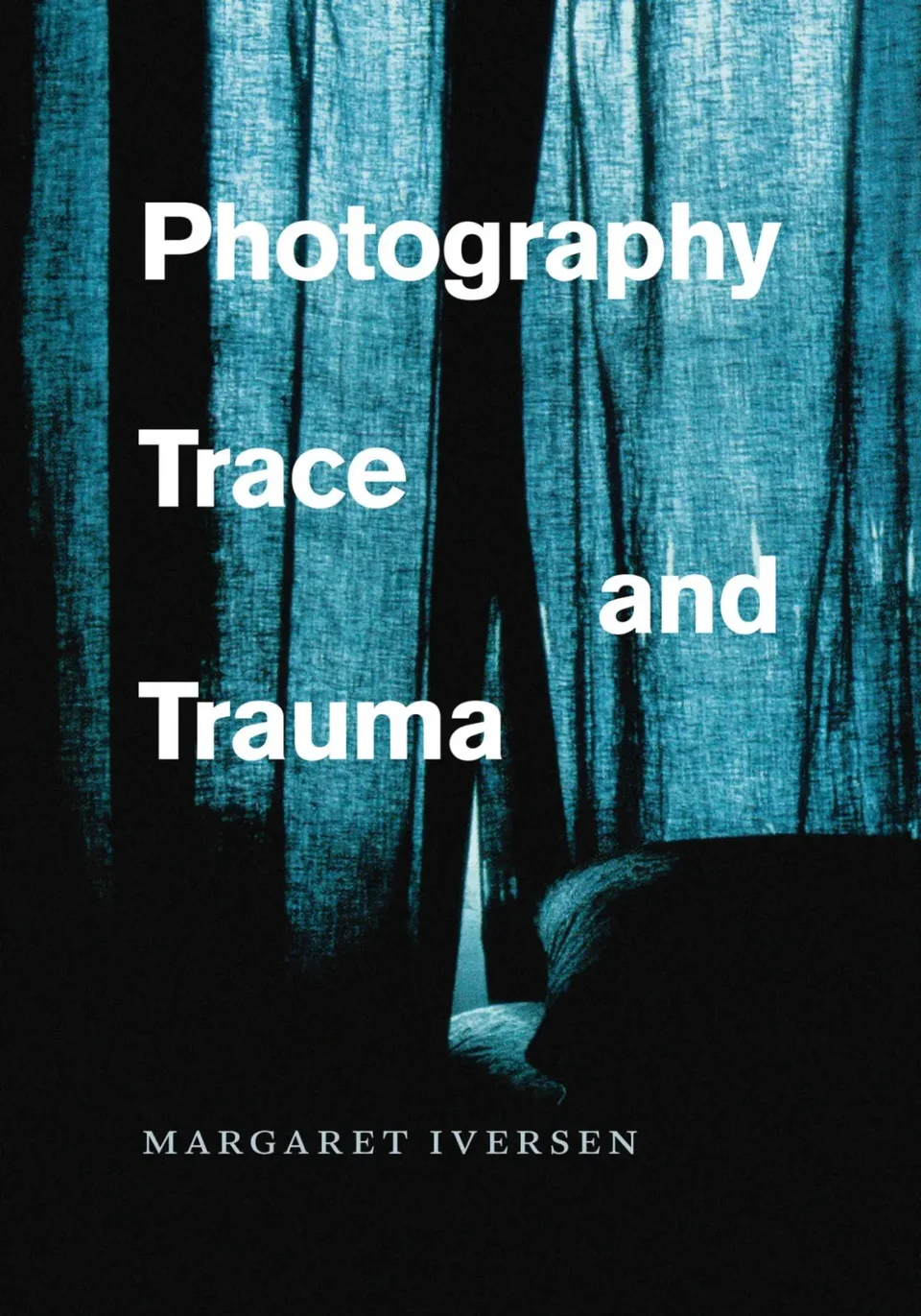
This lesson introduces the post-critical theory model, one of the newest theoretical developments since the new millennium. Its proponents are dissatisfied with the negative dismantling of photography by the power model and critical deconstructionism, and pay more attention to photography's constitutive role as a mechanism of witnessing and in building civil society and the rules of intersubjectivity. John Roberts, Ariella Aïsha Azoulay, and others on the one hand inherit the power model's critique of photography, and on the other are not content, as Sekula was, to focus only on dismantling and warning while building little; they therefore concentrate on uncovering the political potential behind the photographic medium, in an attempt to let the camera photograph a better future for us. We will explore how they understand photography as a relational medium linking private experience and the public world. Since Azoulay's thought was introduced in Season 2, this lesson will focus on the views of photography of John Roberts, Susie Linfield, and Margaret Iversen.