Allan Sekula, "The Instrumental Image: Steichen at War"
Lesson 01
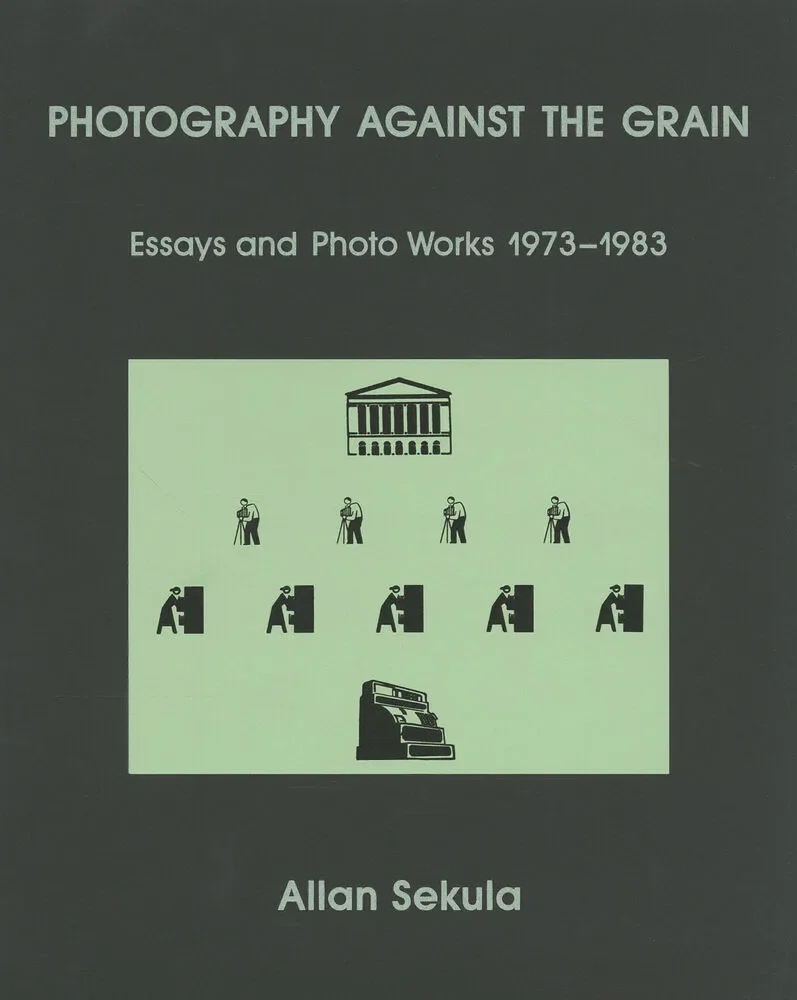
This lesson reads Sekula's "The Instrumental Image: Steichen at War," examining the different uses of photography in military reconnaissance, archives, and the institutions of art.
How do the same technologies and images acquire different meanings and values in different relations of use? Through Steichen's war photography and its later presentation, the course discusses photography's instrumentality, authorship, and aesthetic judgment, analyzing how the political conditions and specific uses of works are reinterpreted when they are incorporated into narratives of art.
Ariella Aïsha Azoulay: Undoing Photography's Imperial Rights
Lesson 02
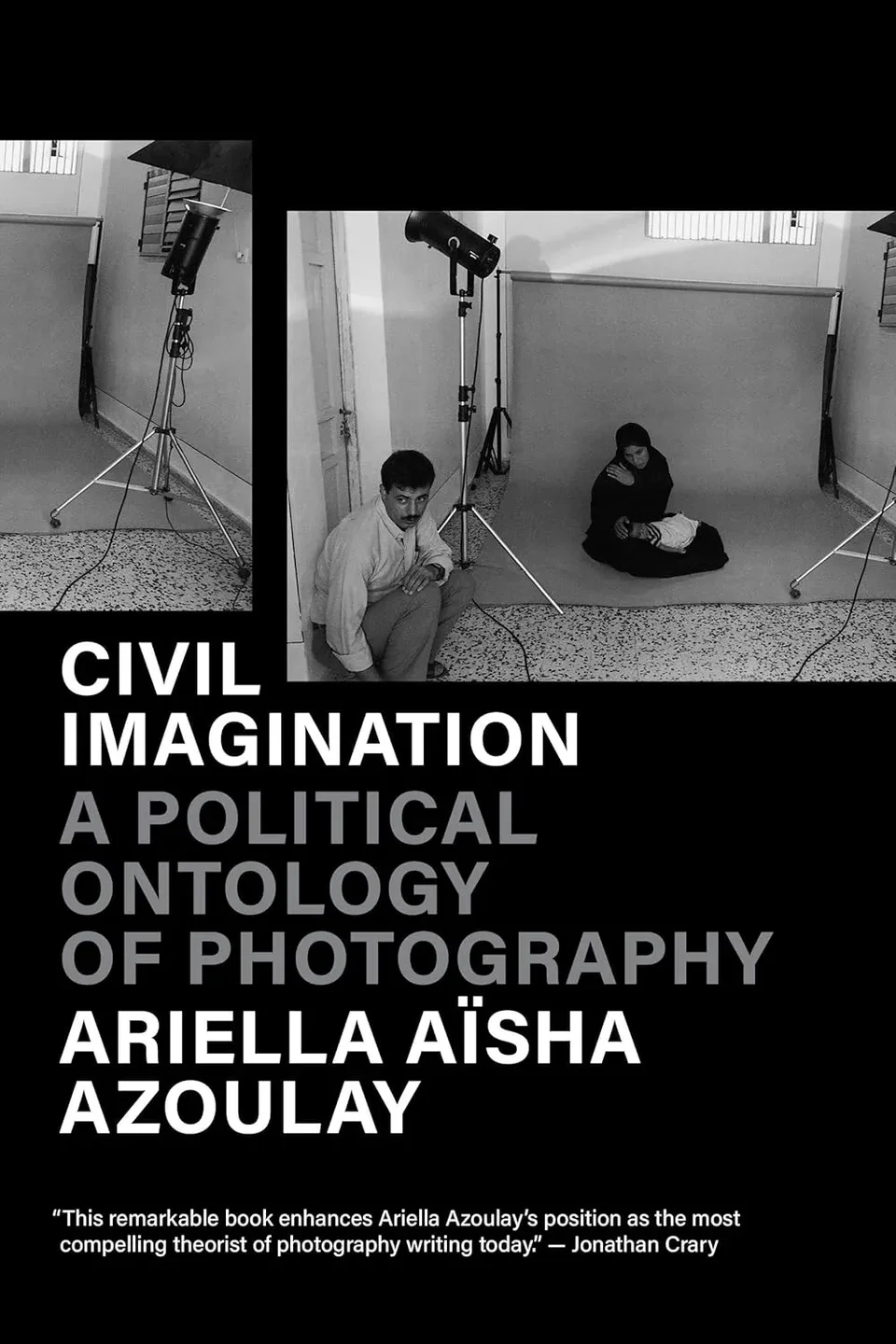
The political relations of photography do not end at the moment the shutter is pressed.
This lesson enters Azoulay's arguments on potential history and de-imperialization by way of her civil imagination, discussing how photographing, collecting, archiving, and viewing take part in distributing rights and leave some people at the margins of the picture. By rereading photographs and the conditions of their production, the course examines the relations of shared life suppressed by established history, and how viewers can take up anew their responsibility toward those photographed.
James Elkins, *What Photography Is*
Lesson 03
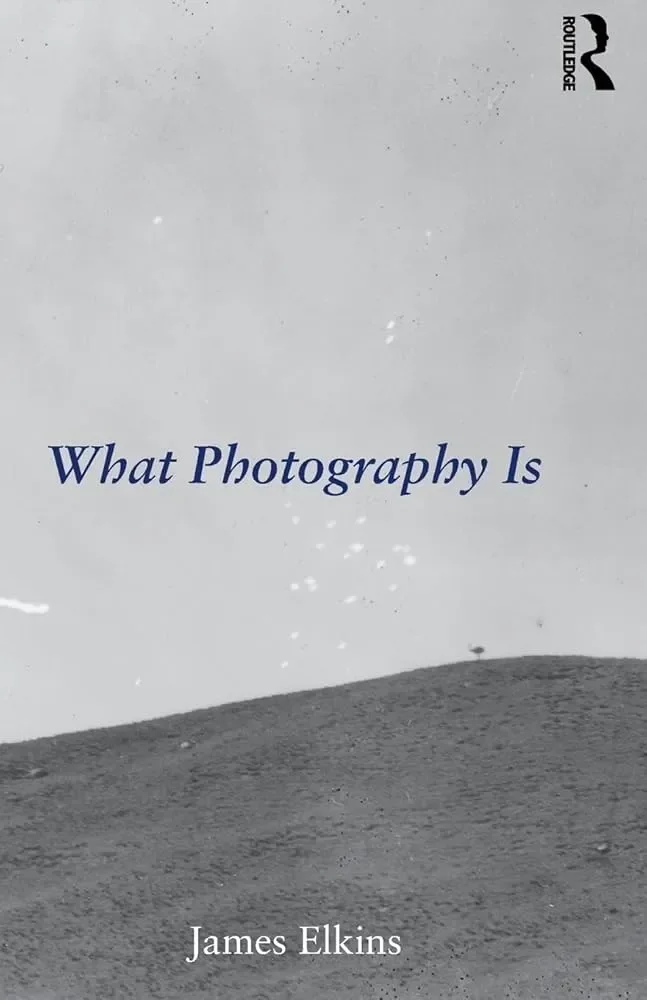
Elkins's What Photography Is unfolds as a dialogue with Camera Lucida, yet turns its gaze toward photographs that can hardly bear meaning, emotion, and memory.
Starting from threads such as black ice, margins, and the nonhuman, this lesson discusses how viewers confront the parts of an image that cannot be fully absorbed by familiar experience. The course thus examines the distance between photography's visibility and understanding: why some photographs make us linger, why some details resist interpretation, and how these experiences change our expectations of photography.
Douglas Crimp, *On the Museum's Ruins*
Lesson 04
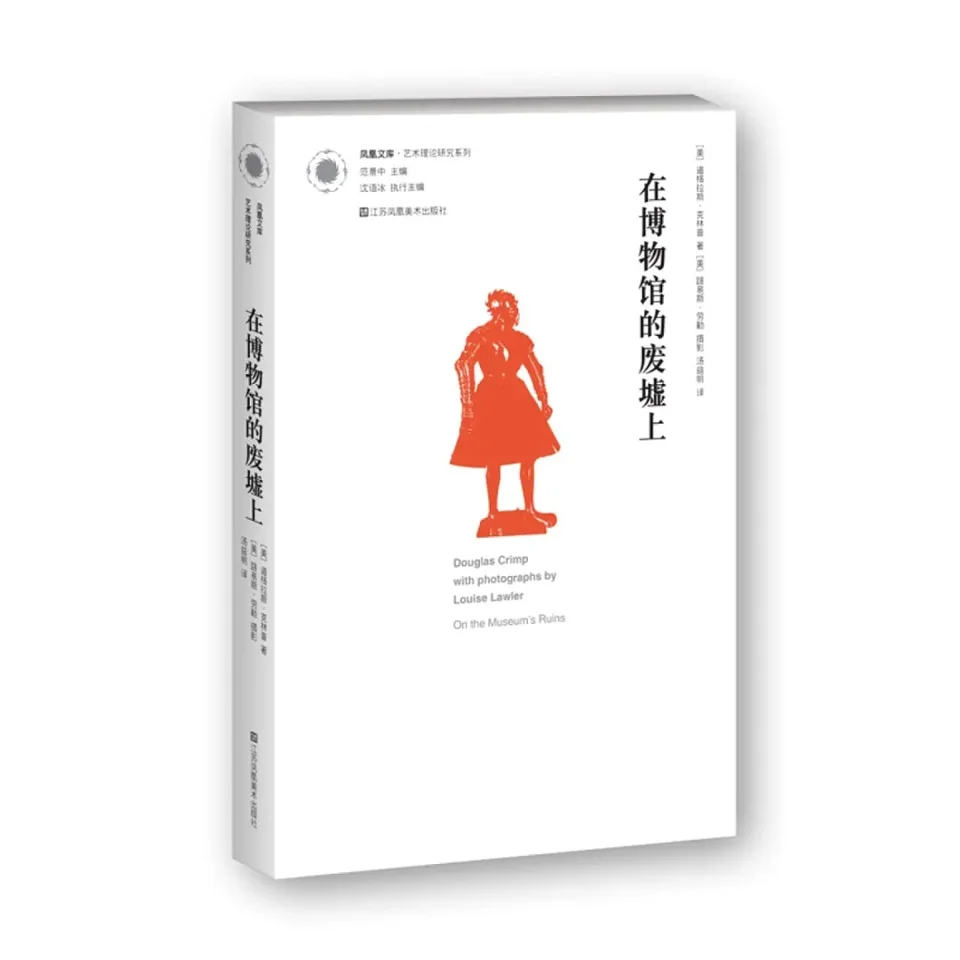
Douglas Crimp can be considered a representative figure of October, and his book On the Museum's Ruins ought to be regarded as a book about photography. In 1977 at Artists Space in New York, Crimp curated the exhibition "Pictures," which defined the artists of the "Pictures Generation." Most of these photographers are still household names today. In this lesson, we will explain how photography, after reaching the 1970s, challenged and dismantled the aesthetic discourse on which modernism rested and its core institution—the art museum. Returning to the historical scene of the 1970s, to this crucial, decisive turning point in the history of photography, we will follow Crimp in examining the historical price paid for bringing photography into the museum.
Abigail Solomon-Godeau, "Harry Callahan: Gender, Genre, and Street Photography"
Lesson 05
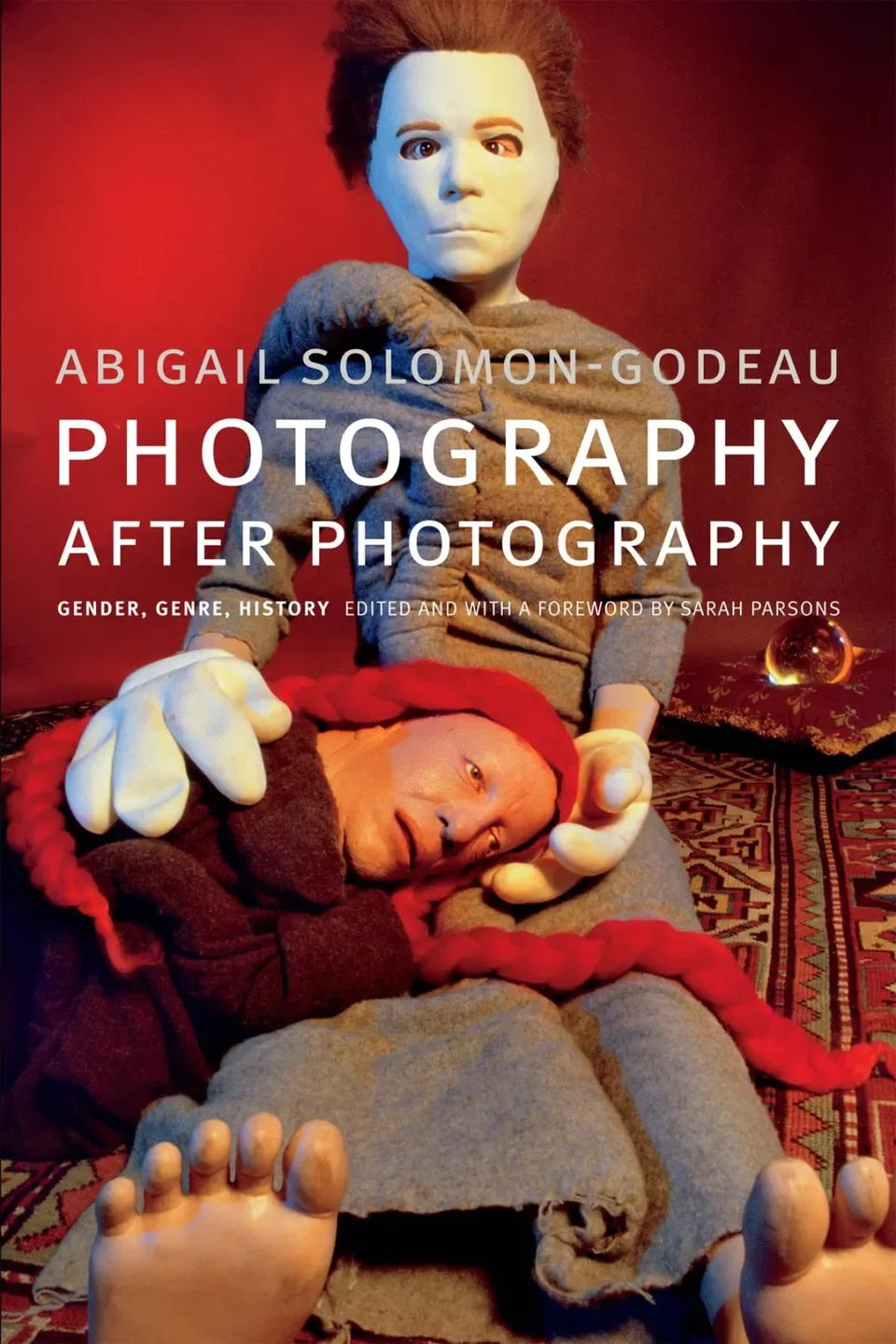
This essay comes from Abigail Solomon-Godeau's signature book Photography After Photography, and is also the short piece I think most fully embodies her main positions and problematic. Usually, "street photography" is regarded as a self-evident photographic "genre," but Solomon-Godeau questions from a gender perspective how much of importance this natural classification obscures. By analyzing the female subjects in Harry Callahan's photographs, we will explain how Solomon-Godeau reveals the gender-political structure in such photographic works that take women as the primary object of the gaze; and how she reveals that a formalist critical discourse appealing to the "universal" rather than to "difference" ends up as an ideological strategy that obscures social meaning. This essay is relatively complex and difficult, so Chinese translations of key passages or a draft translation of the full text will be provided.
Christopher Pinney, *Camera Indica: The Social Life of Indian Photographs*
Lesson 06
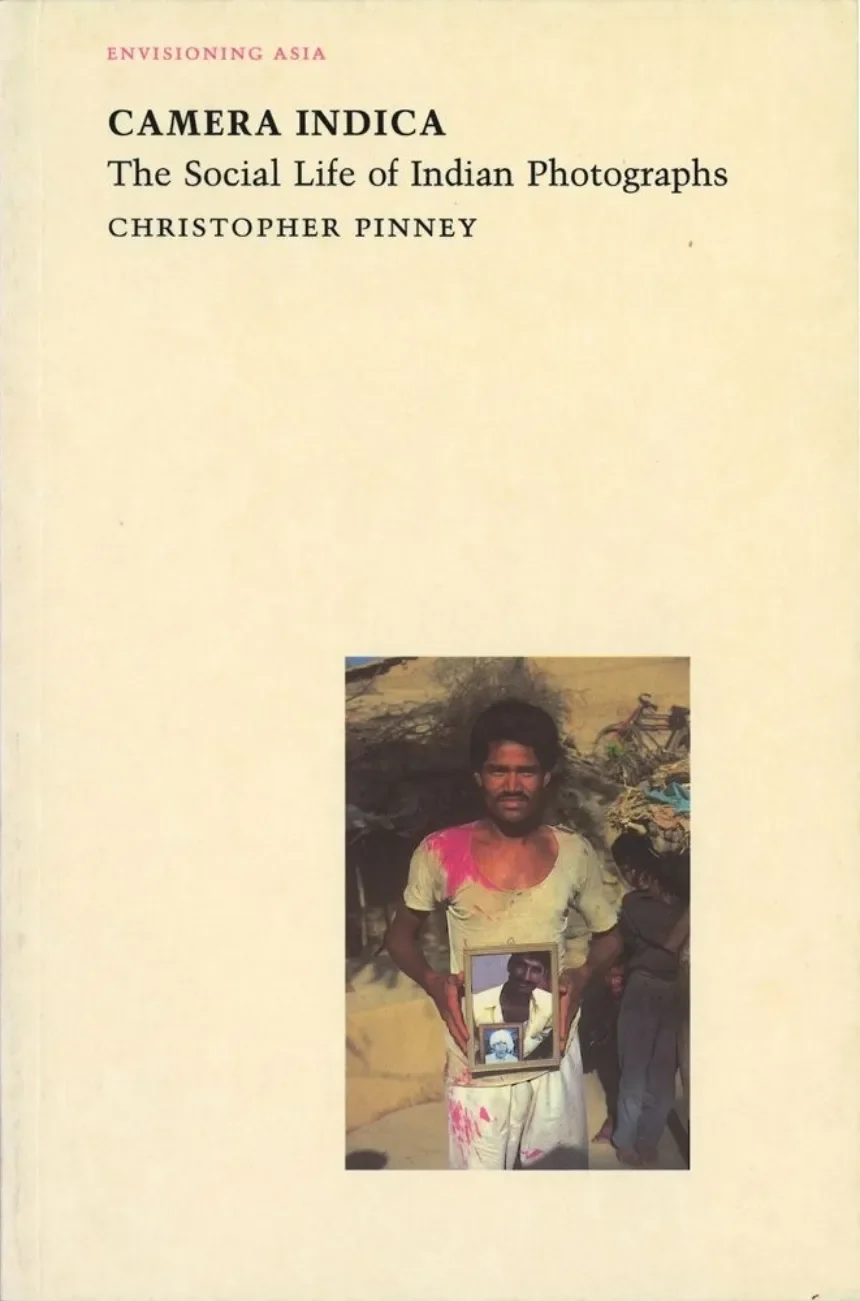
This is the first time in our six seasons that we cover ideas of photography from anthropology, and the only time we touch on photography in a postcolonial context. Christopher Pinney's Camera Indica (the title itself parodies Roland Barthes's Camera Lucida) is one of the landmark works on photography in anthropology, and conversely one of the representative anthropological works in photography studies. During fieldwork, Pinney observed a huge difference in value between what he considered a "good" photograph and what local people considered a "good" photograph. From this, we will explain: why did a photographic technology originating in the West have such a different "social life" in India? Further, how was the camera, originally a colonial tool, absorbed and transformed in the activities of indigenous Indian culture? We will use concepts such as inter-ocularity to explain the complex field of interaction that Pinney uncovered, in which photographic images, religious stone sculpture, chromolithographs, film posters, and other visual experiences permeate one another; this is also a critique of Western modernism's typical demand for the purity of "medium specificity."
Susie Linfield, *The Cruel Radiance: Photography and Political Violence*
Lesson 07
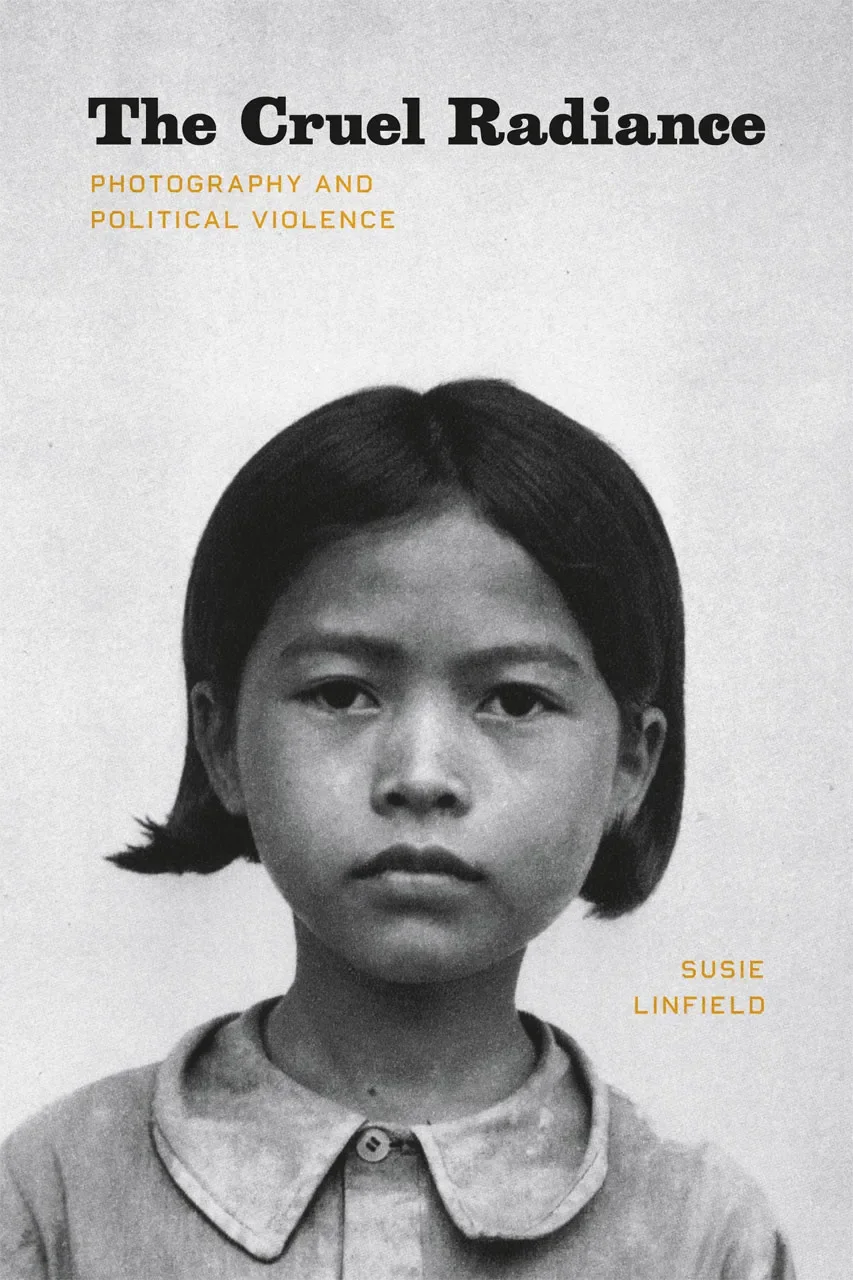
This book has greatly influenced my own academic views on photography; it was also a finalist for the 2010 National Book Critics Circle Award and won several best book awards. Starting from images of violence and suffering, Linfield goes straight to the predicament of current left-wing criticism: as some left-wing critics persistently warn viewers to beware of photography's aestheticization of suffering, of photography numbing its viewers, and of photography being used by power, have these arguments by now become an ethical evasion and an intellectual self-limitation? That is—when images of suffering are dismissed with "one should not look" or "one should not photograph," is this really to protect the dignity of victims, or so that the viewers' own moral conscience can remain free of reproach? Linfield thus reflects on the skepticism that dominates contemporary photography criticism, trying to help us trust again photography's capacity to connect us with the suffering of distant people, and affirming photography's role in building a discursive consensus on "human rights." We will explain how Linfield, through one photographic controversy after another, seeks to defend photography's rights and to rebuild an ethics of looking and a politics of emotion.
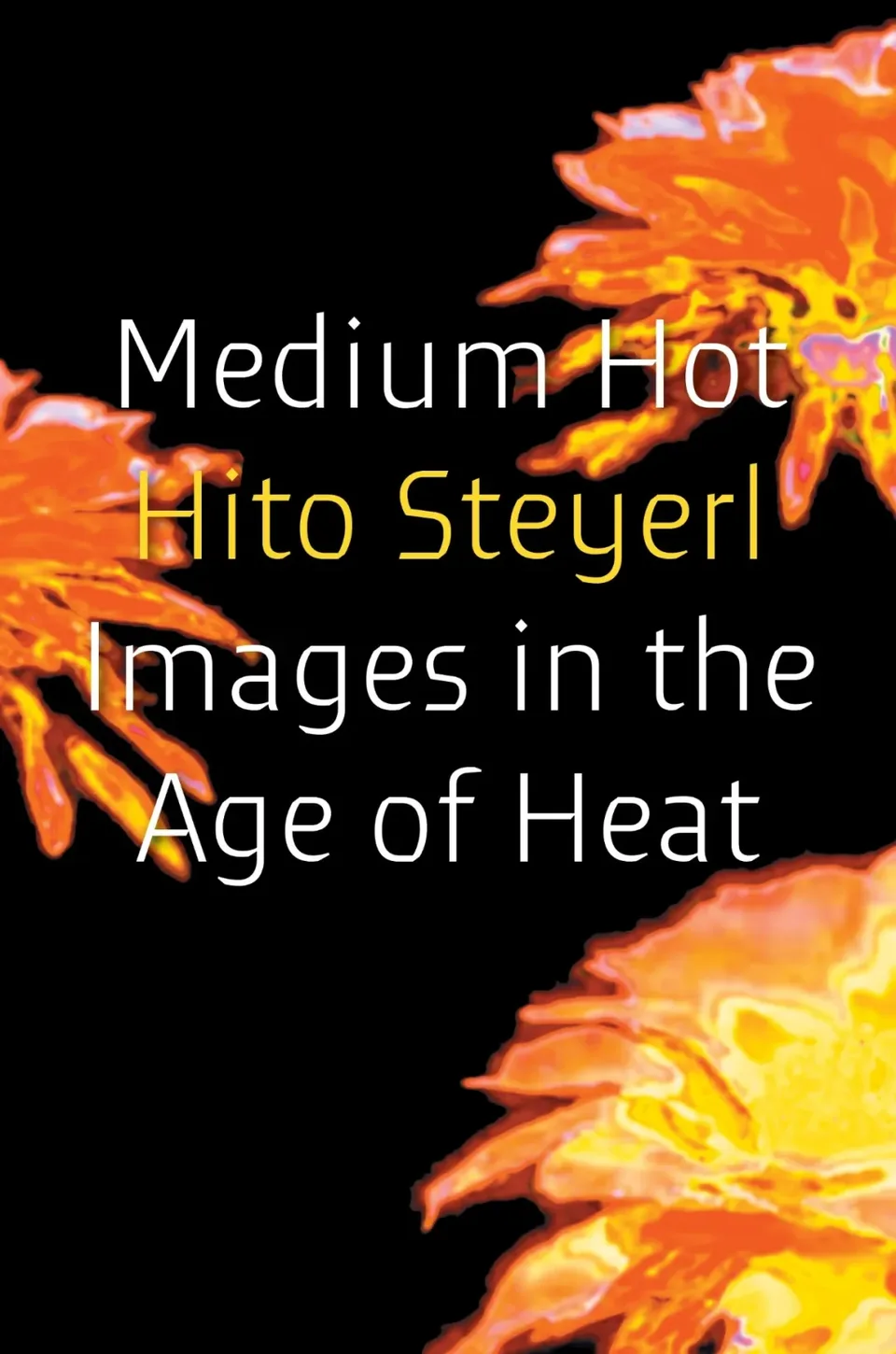
Hito Steyerl, *Medium Hot*
Lesson 08
As images circulate relentlessly by way of data centers, training data, and generative models, how should photography theory understand the political and material conditions involved?
This lesson reads Steyerl's Medium Hot, starting from the connections among medium, temperature, and entropy to discuss the production, computation, and circulation of contemporary images. The course attends to the relationship between AI images and statistics, averages, and resource consumption, and examines how these technical processes change the way visibility and reality are organized.