On Photography and the World: How Does the World Become a Photograph?
Lesson 01
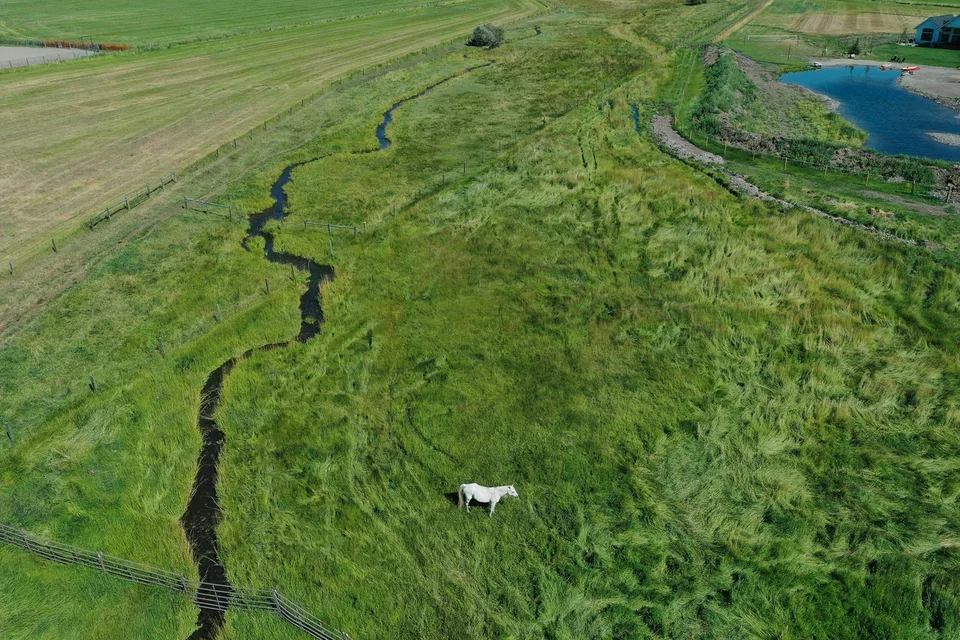
We all know that "a photograph is not reality," but in the transformation from world to photograph, what exactly is preserved and what is changed? We feel that what we photograph differs from what we saw, yet we often can't say whether something is missing or something has been added. And in this process, the camera's automation does part of the work, the subject contributes its own presence and appearance, and the photograph's meaning depends on the viewer's projection and the context of circulation—so what, then, does the photographer actually contribute?
On Photography and the Self: Why Do Most of Us Dislike Photos of Ourselves?
Lesson 02
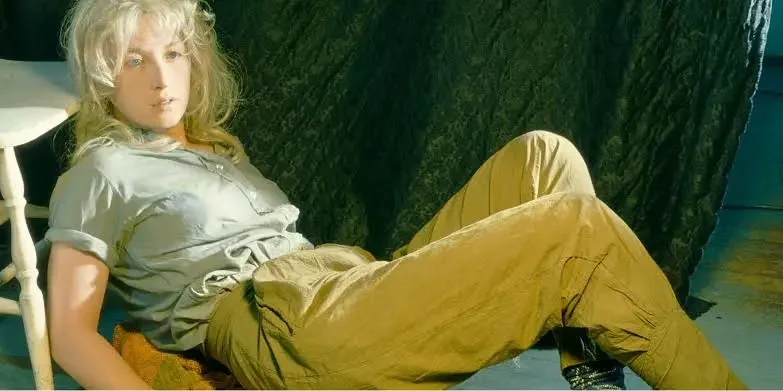
The vast majority of people feel some discomfort when they see photos of themselves taken by others. A common explanation is that we are too accustomed to our mirror image. Yet this seems unable to explain why, when we see certain photos others have taken of us, we experience something like shame or hurt. Likewise, why is this feeling especially intense with some photos but completely absent with others?
On Photography and Death: Why Must a Memorial Portrait Be a Photograph?
Lesson 03
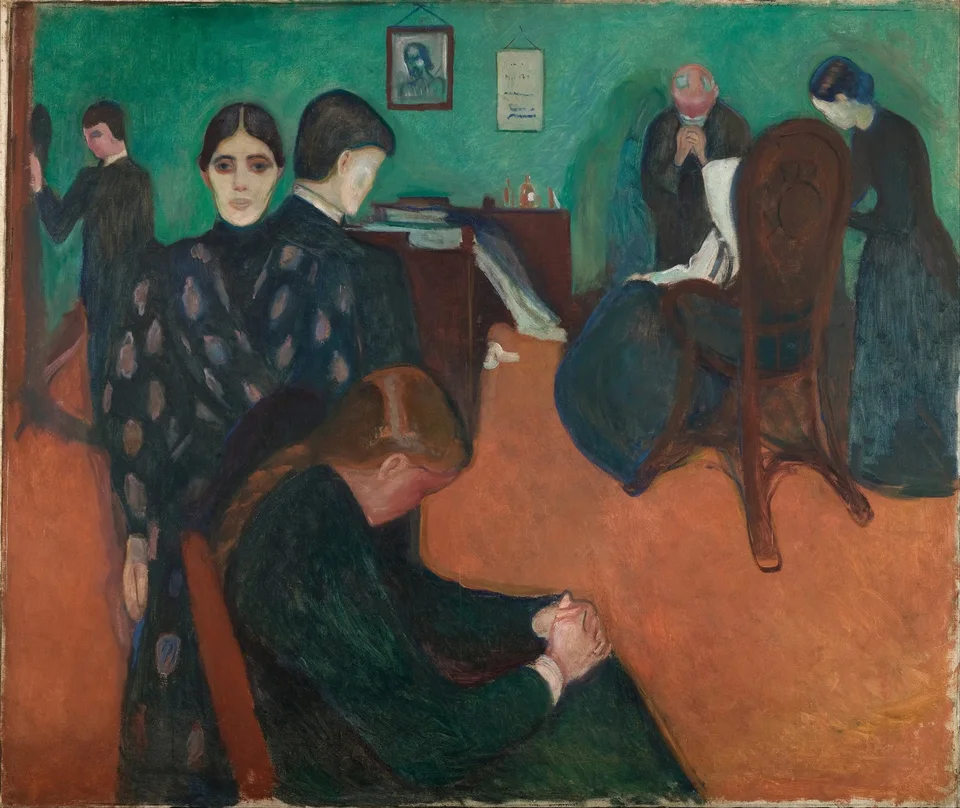
The relationship between photography and death may be the most stubborn theme in photography theory. In the Victorian nineteenth century, photographing the recently deceased was routine, and the photographs would be framed and displayed in the parlor. Today this has become almost taboo. This change in itself shows that the place of photography in our lives has shifted as a whole.
On Photography and Value: How Did the Standard of a "Good Photograph" Emerge?
Lesson 04
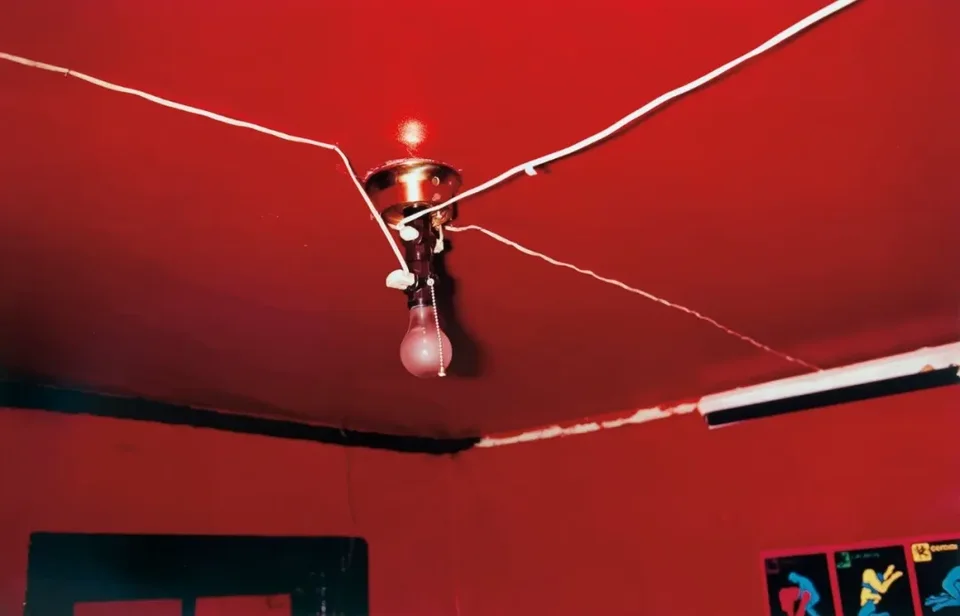
As is well known, in 2011 Andreas Gursky's Rhein II sold for $4.33 million. The photograph contains almost nothing but a riverbank, grass, and sky. Most people's first reaction to this is bafflement: what's so good about it? Some then say it's money laundering, a financial maneuver, implying that it's merely a constructed standard. But if the standard of "good" is constructed, do we still have any right to talk seriously about the quality of works? And if we give up talking about quality altogether, we fall into a relativism where nothing matters. Is there a way out of this dilemma?
On Photography and Contingency: In an Age of Image Glut, Where Lies the Power of the Single Photograph?
Lesson 05
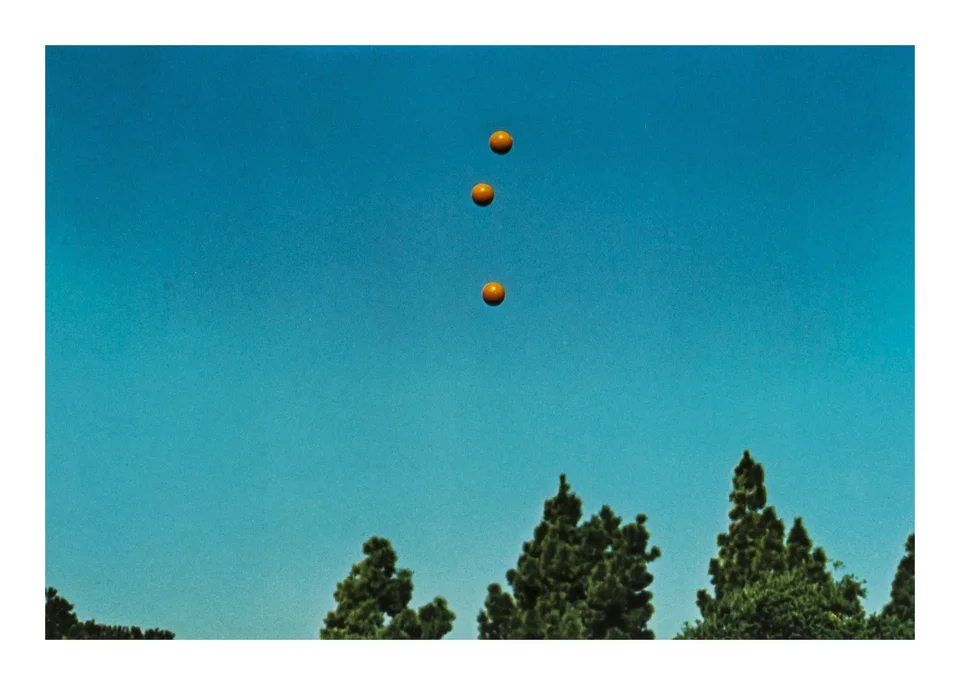
Billions of photographs are produced every day, and the vast majority of them, from the moment they are taken, are never seriously looked at again by anyone—including the photographer. If a photographer today still wants to speak through a single photograph, where is the threshold? And in a project, what role does each of the single images that make it up play?
On Photography and Suffering: Facing the Pain of Others, What Should the Photographer Do?
Lesson 06
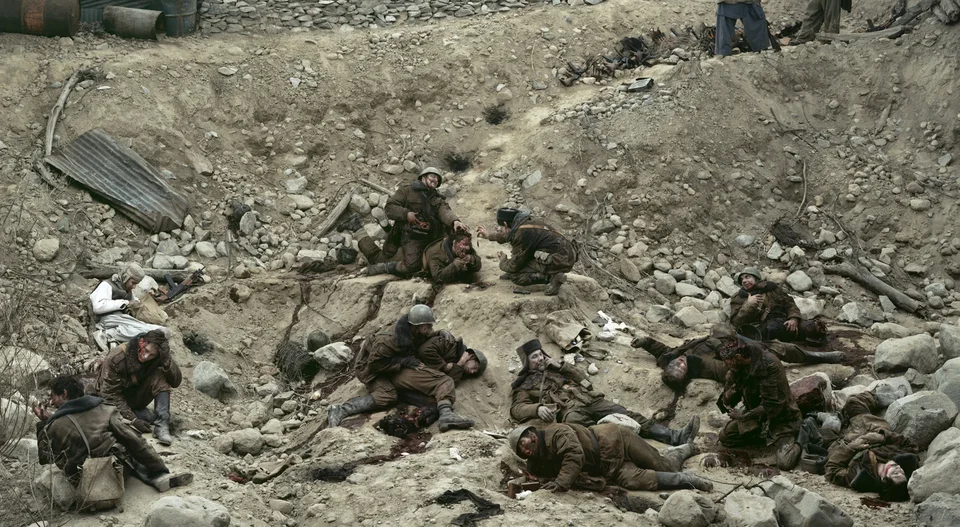
We have probably all seen some "documentary photography" that juxtaposes food-delivery riders with luxury advertisements. If suffering were truly being treated as a serious issue here, why is the most common response praise for the cleverness of the photograph's form? And if one doesn't photograph, is silence the better choice? What do the practices that truly hold up in representing suffering do differently?